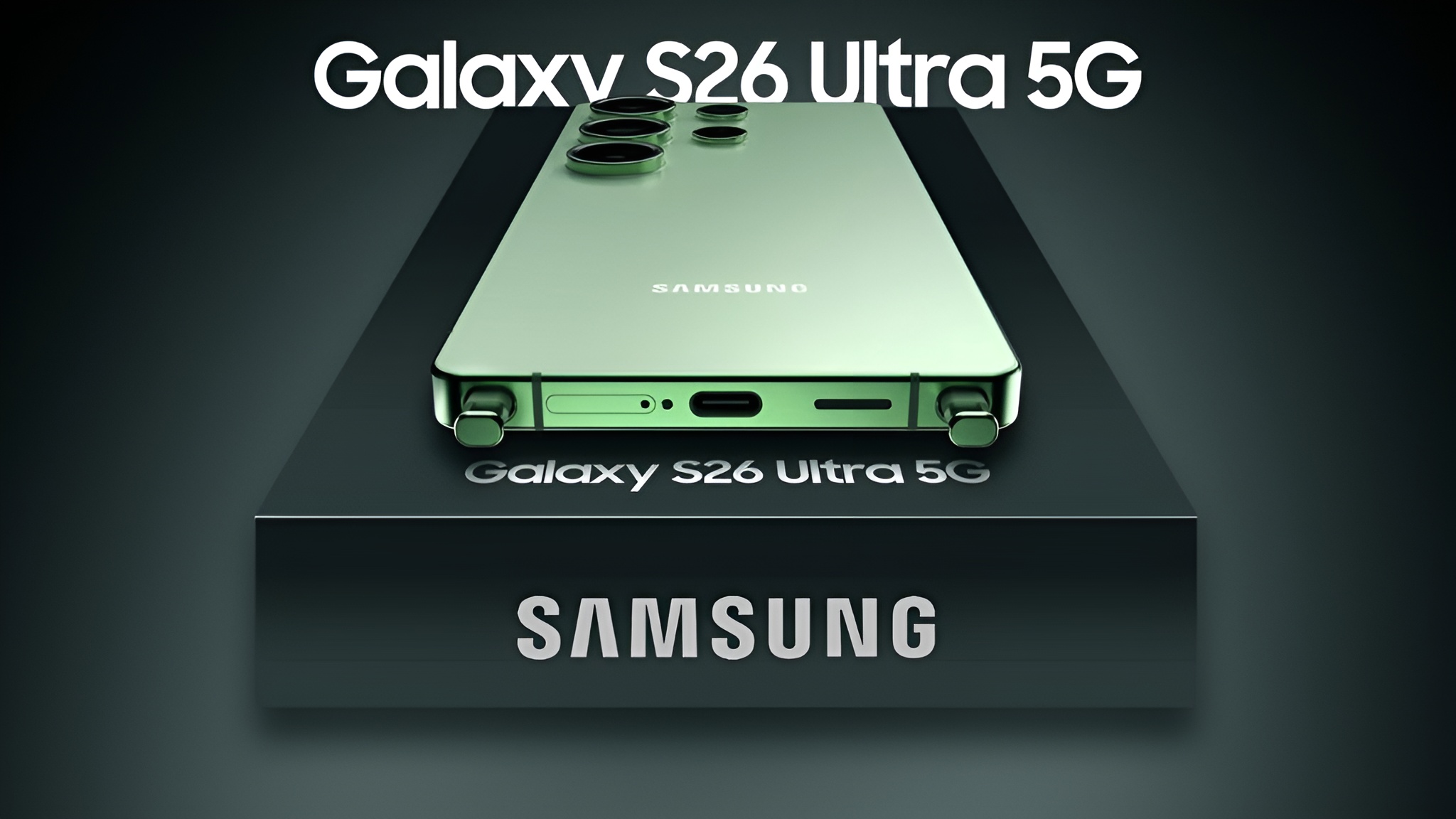
Qualcomm’s grip on Samsung’s flagship strategy looks tighter than ever, and the Galaxy S26 Ultra may be the clearest proof yet. Between long-running patent and chipset supply deals and rising component costs, Samsung faces a financial squeeze that could show up in design trade-offs and, potentially, pricing decisions.
Here’s what’s driving the pressure. In July 2022, Samsung and Qualcomm extended their patent-license agreement through 2030, guaranteeing Samsung access to Qualcomm’s core wireless technologies. Then, in 2024, the companies signed a multi-year, multi-region agreement for Snapdragon flagship chips. Together, these deals ensure a steady Snapdragon pipeline for Samsung’s premium phones in the United States and beyond.
Reports now suggest the Galaxy S26 Ultra will use the Snapdragon 8 Elite Gen 5 exclusively. That’s a win for Qualcomm even if it falls short of a previously discussed 75% baseline share across the broader Galaxy S26 lineup. The numbers help explain why this matters so much:
– Galaxy S25 Ultra reference point: Snapdragon 8 Elite was about $190 per unit, roughly 36% of an estimated $523 bill of materials (BOM).
– Galaxy S26 Ultra projection: Snapdragon 8 Elite Gen 5 reportedly costs $240 to $280 per unit. At the upper end, that’s about 46% of an estimated $613 BOM.
– Foundry costs are rising: TSMC has reportedly notified major customers of 8% to 10% price hikes on advanced sub-5nm nodes next year, which could nudge Snapdragon 8 Elite Gen 5 pricing even higher.
– Licensing adds up: Samsung pays an estimated $16.25 in royalties per phone for Qualcomm’s licensed technologies. With around 22.5 million Galaxy S25 series phones sold in the first half of 2025, that translates to roughly $365 million in royalty revenue to Qualcomm from that lineup alone.
– Memory isn’t getting cheaper: LPDDR5X pricing has been trending up, adding yet another layer of cost pressure to the S26 Ultra’s BOM.
When a single component threatens to approach half the BOM, compromises are inevitable. That’s why whispers of cost-cutting measures—like slightly larger bezels or a noticeably bigger selfie camera cutout on the Galaxy S26 Ultra—are gaining traction. They may be unpopular, but they’re logical ways to claw back costs without touching the core performance headline that drives premium sales.
All of this makes the Exynos 2600 vital to Samsung’s long-term strategy. If the in-house chip can credibly match or closely trail Qualcomm’s latest in performance, efficiency, and modem reliability, Samsung gains leverage in future negotiations and flexibility in regional configurations. Early signals around Exynos 2600 are encouraging, but it still needs to prove itself in shipping devices and sustained workloads.
What to watch as the Galaxy S26 Ultra approaches:
– Confirmation of Snapdragon 8 Elite Gen 5 exclusivity on the Ultra model
– The final BOM balance given potential TSMC price increases and memory costs
– Any design changes that point to cost containment, including bezel size or the selfie camera cutout
– Real-world Exynos 2600 performance and efficiency, which will shape Samsung’s bargaining position in future generations
Bottom line: Qualcomm’s technology and pricing power are shaping Samsung’s flagship playbook more than ever. Unless Exynos 2600 delivers a decisive leap, expect Snapdragon to remain the default in the Galaxy S26 Ultra—and expect Samsung to seek savings wherever consumers notice it least.