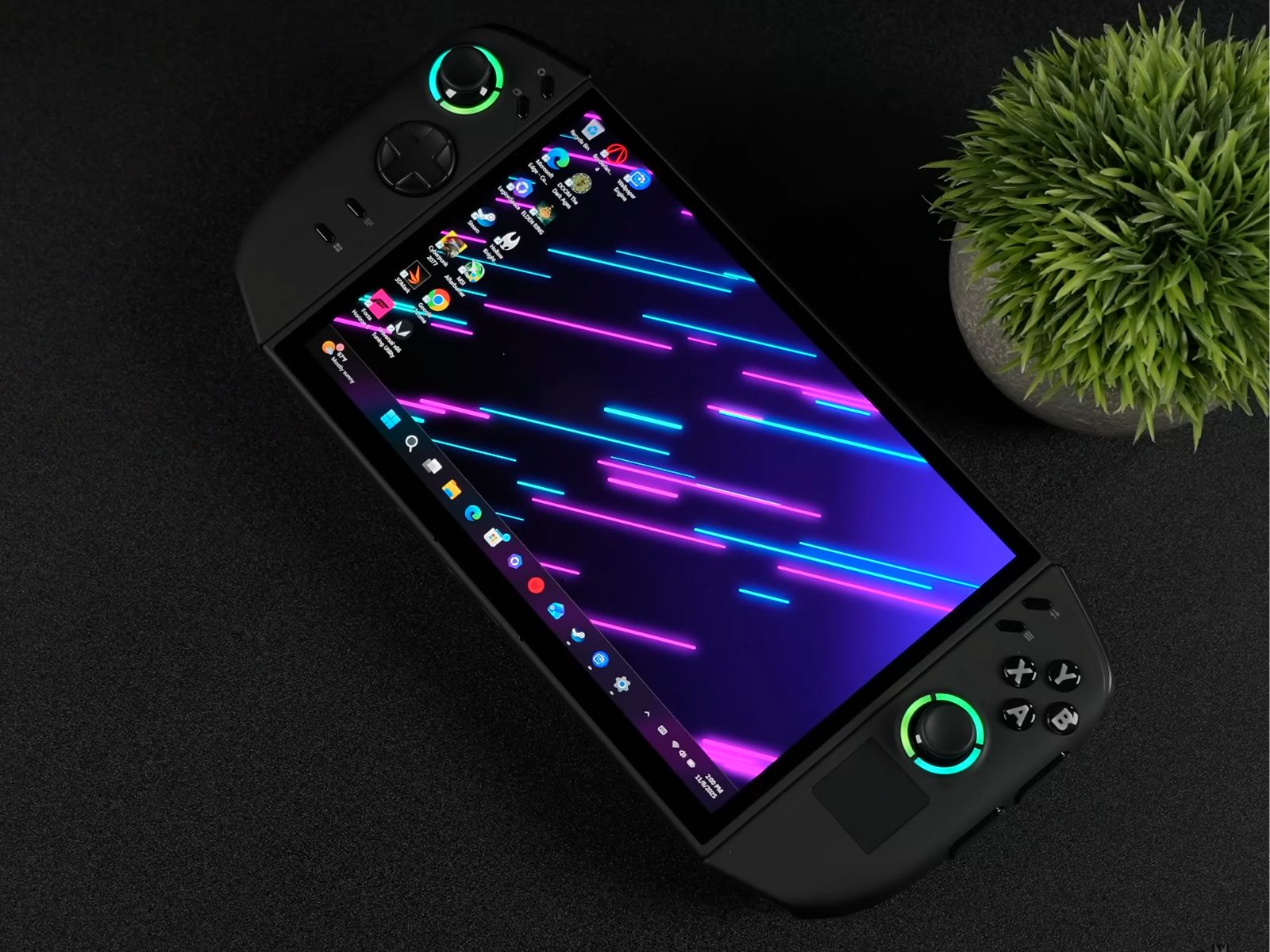
Lenovo’s Legion Go 2 is shaping up to be the most wallet-friendly entry in the brand’s second-gen handheld lineup, and early testing shows it delivers far more performance than its price suggests. Powered by AMD’s Ryzen Z2 APU, this portable gaming PC gives you deep control over power, thermals, and noise, so you can dial in every session for battery life or raw frames.
A standout feature is how flexible its performance profiles are:
– Quiet Mode: 8 W cap for 2D titles, indie games, and emulation, keeping heat and fan noise low.
– Balanced Mode: 16 W for a smooth blend of battery life and performance across a wide range of games.
– Performance Mode: 20 W on battery, with a bit more headroom when plugged in.
– Custom Mode: Short bursts up to 45 W for heavy loads (10-second boost), 37 W for two-minute peaks, and 35 W sustained to keep demanding games stable.
Tinkerers will appreciate the granular fan-curve controls and the quick-access Legion Space overlay. With a tap, you can change refresh rate between 60 and 144 Hz, adjust brightness, toggle Bluetooth, and bring up live performance stats without leaving your game.
Synthetic benchmarks back up the strong first impression. In Performance Mode, the Legion Go 2 posted around 2,444 points in Geekbench 6 single-core and about 11,000 in multi-core. At a 25 W TDP, it scored 3,285 in 3DMark Time Spy, edging past many handhelds built around earlier Ryzen Z1-class chips.
Real-world game tests show how much the device benefits from its adjustable power targets and FSR support:
– Forza Horizon 5 at 1200p, medium settings, 16 W TDP: roughly 73 FPS.
– Cyberpunk 2077 at 1920×1200 with FSR Frame Generation on, 25 W TDP: about 84 FPS.
– Elden Ring at 1600×1000, medium, 25 W TDP: a steady 57–59 FPS.
– Borderlands 4 at 800p, low settings with FSR Frame Generation, 30 W TDP: playable but with some noticeable ghosting artifacts.
What stands out is the balance. Quiet Mode keeps casual and retro gaming whisper-silent, Balanced Mode handles most modern titles respectably, and the higher-power presets push AAA games to surprisingly high frame rates for a handheld—especially when you leverage FSR Frame Generation. The built-in 60–144 Hz panel makes those gains feel even snappier when a game can reach higher refresh targets.
If you want a portable that lets you fine-tune TDP, fan behavior, and refresh rate on the fly, the Legion Go 2 hits a sweet spot between affordability and performance. Expect the usual caveats—settings, firmware, and ambient temps can sway results—but the early numbers suggest this Ryzen Z2-powered handheld punches above its weight for on-the-go PC gaming.