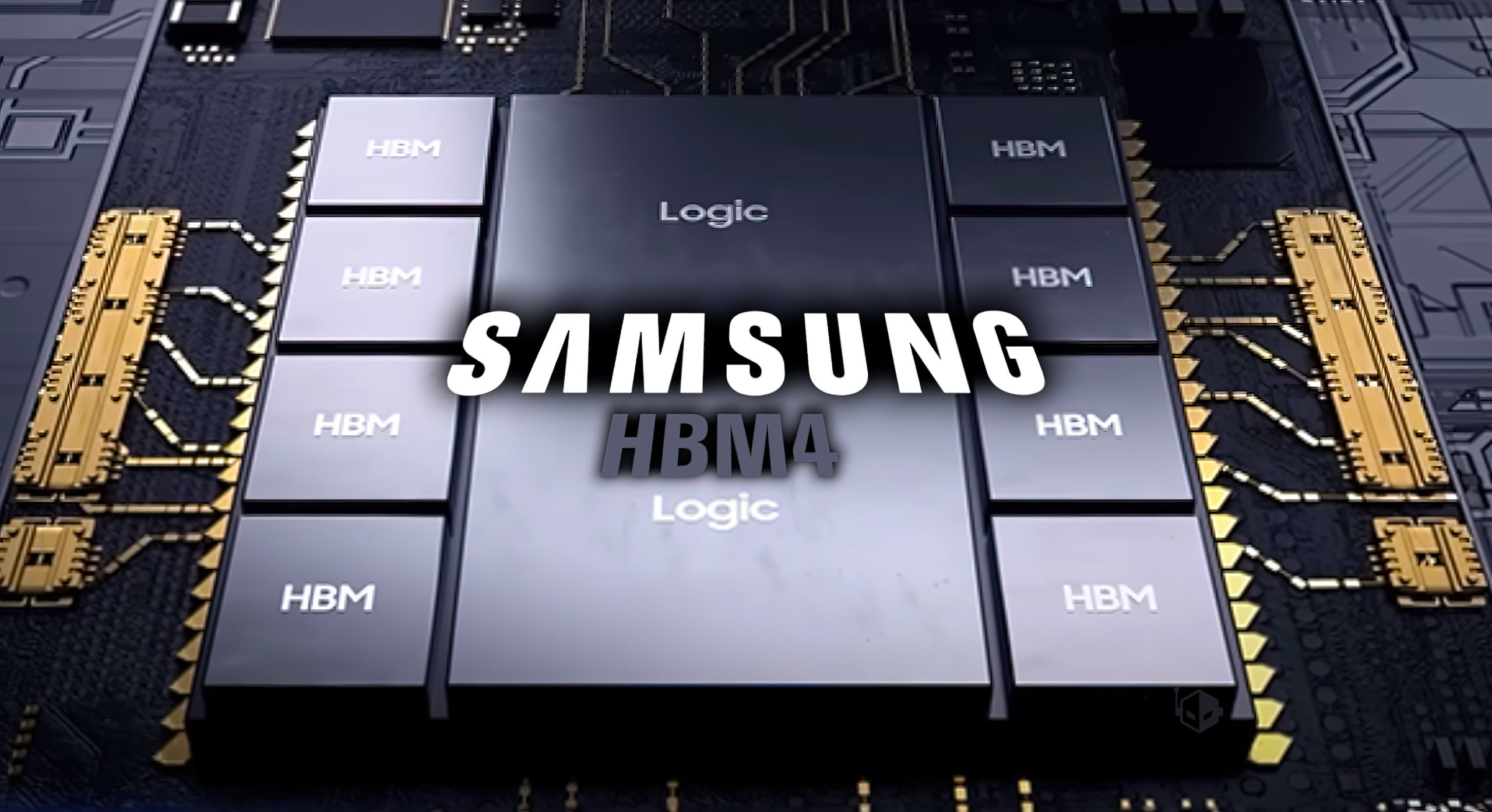
Samsung seems poised to take the lead in the HBM4 supply arena, making significant strides that rival SK hynix. The tech giant has improved its standing dramatically compared to its earlier experiences with HBM3, largely due to substantial advancements in DRAM technology.
Previously, Samsung struggled with HBM3, missing out on key opportunities like qualification by NVIDIA, which had a notable impact on its revenue. Although there were some advancements with HBM3E, the company couldn’t fully penetrate NVIDIA’s mainstream supply chain. However, with the impending release of HBM4, Samsung is gearing up for a turnaround, reportedly set to begin sampling by the end of the month in collaboration with AMD and NVIDIA.
Market optimism surrounding Samsung’s HBM4 efforts is fueled by advancements in their 6th-generation 1c DRAM technology, which has seen significant improvements in yield rates thanks to innovative manufacturing techniques. This time, Samsung is more focused on delivering a viable product that attracts major players like AMD and NVIDIA, rather than rushing to market ahead of competitors.
While SK hynix has already showcased its HBM4 modules and Micron is reportedly readying its own solutions, Samsung’s progress suggests it is well-placed to compete. The Korean companies are anticipated to initiate HBM4 mass production soon, primarily serving NVIDIA’s Rubin platform and AMD’s Instinct MI400. With a more competitive supply chain, HBM prices might decrease, especially if Samsung secures NVIDIA’s certification, leading to a substantial increase in production volume.
Currently, Samsung appears to be on the correct path with HBM4. However, given the unpredictable nature of the tech industry and past experiences with HBM3, it’s crucial to stay vigilant and adaptable.