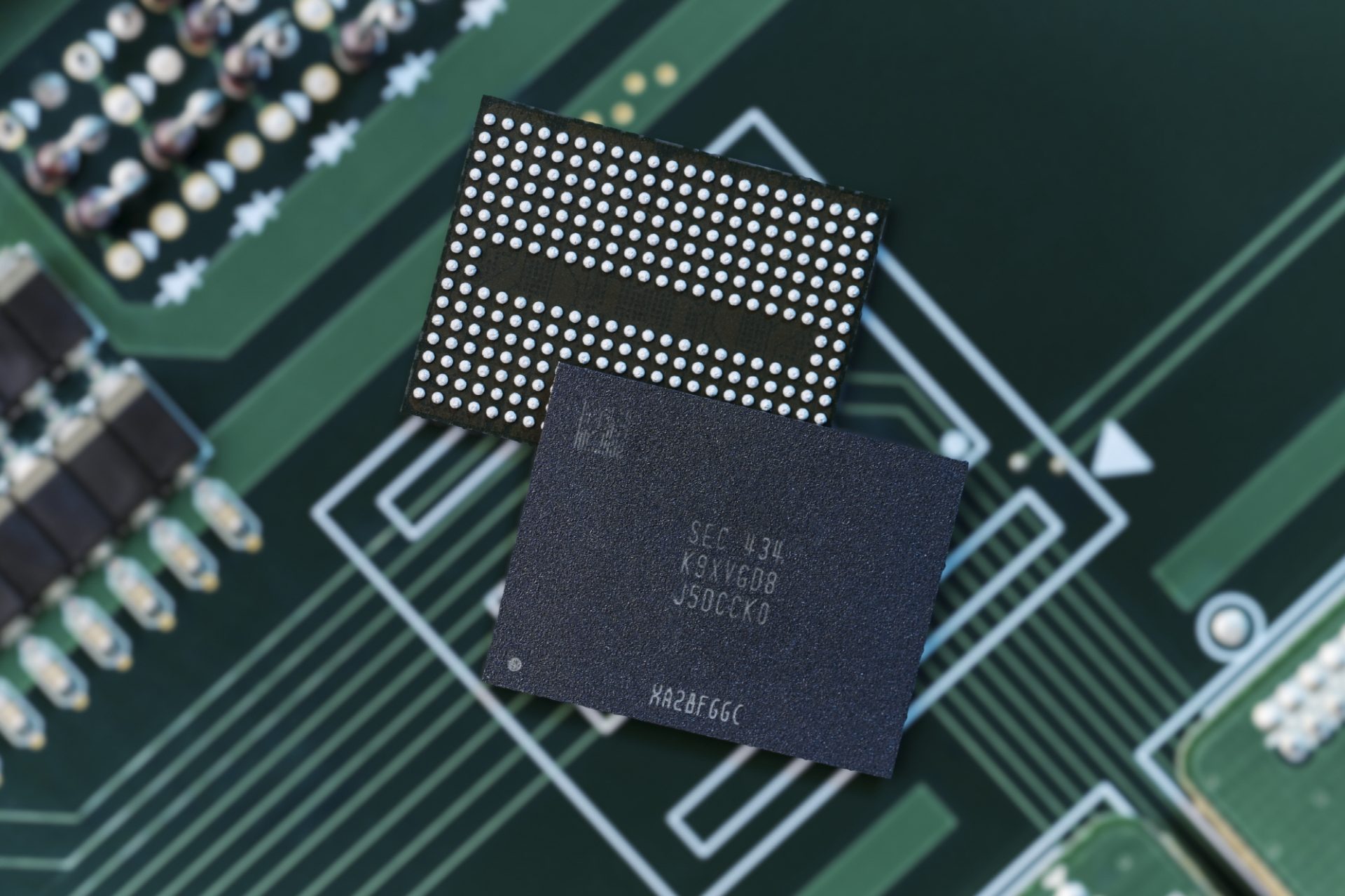
Samsung is preparing a major NAND flash price increase, and it could soon make SSDs and many PC upgrades noticeably more expensive. After AI-driven demand already shook up the DRAM market, NAND looks like the next memory category headed for a supply-and-price crunch that consumers will feel.
According to a report from Korean media outlet Sedaily, Samsung is expected to raise NAND prices by as much as 100% in Q2, following a similar increase in Q1. If that plays out, Samsung’s NAND pricing would be up more than 200% so far this year alone. The message for the broader market is clear: any product that relies heavily on NAND flash storage—especially SSDs—may see steep price jumps, and availability could tighten as well.
The driving force behind this surge is the AI sector. As demand from AI customers grows, memory makers have gained stronger negotiating leverage, giving buyers fewer options but to accept higher quotes. Sedaily notes that other major manufacturers, including SK hynix and Kioxia, are also preparing additional price increases, suggesting this isn’t a one-company event—it’s shaping up to be an industry-wide shift.
NAND pricing momentum has been building for a while. The report indicates NAND prices surged dramatically last year, fueled by a combination of AI demand and the industry’s challenge of balancing DRAM and NAND output. What’s changed more recently is NAND’s rising importance in modern AI infrastructure. Storage isn’t just a side component anymore—high-performance SSDs are becoming more central in AI systems, particularly as workloads increasingly involve long-context processing that benefits from fast, scalable storage.
For everyday PC buyers, creators, and gamers, the consequences could be harsh. Higher NAND prices typically translate directly into higher SSD prices, from entry-level drives to high-capacity models. But cost is only part of the issue. If suppliers prioritize large AI and hyperscaler customers, PC manufacturers and system integrators could find it harder to secure enough NAND supply, putting further pressure on retail pricing for laptops, desktops, and prebuilt systems.
This situation mirrors the early stages of previous memory supply disruptions, where enterprise demand pulled supply away from consumer markets and pushed pricing higher. The difference now is the speed and size of the increases being discussed. If these hikes continue, the PC market could face a new wave of storage-driven price inflation—making upgrades more expensive and potentially slowing down adoption of higher-capacity SSDs in mainstream systems.