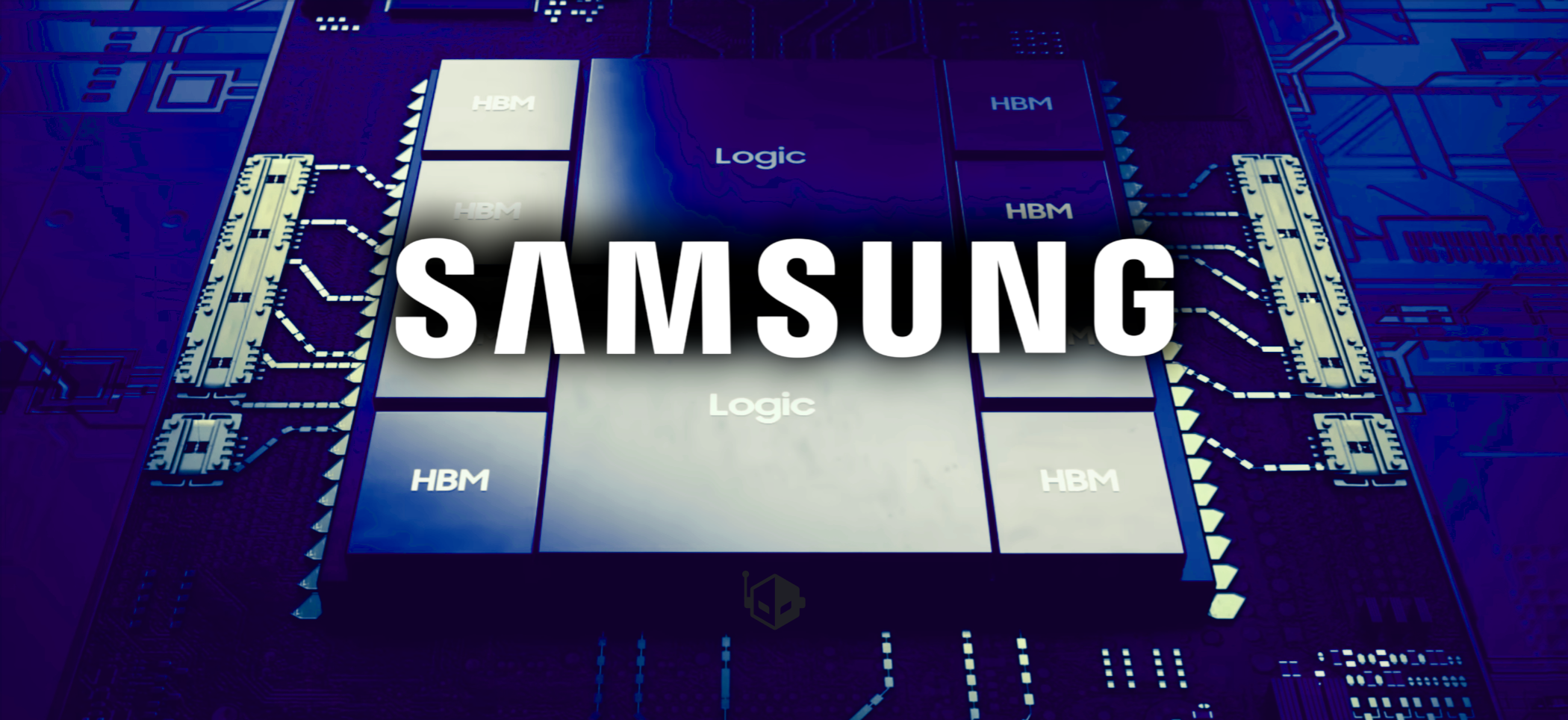
Samsung is staging a strong comeback in the high-bandwidth memory (HBM) race, bouncing back after a few slow quarters and reclaiming momentum against key rivals. After a shaky start to 2025, the company’s HBM business is now showing clear signs of recovery, with its quarterly market share climbing past Micron’s and narrowing the gap in an industry being reshaped by AI demand.
The beginning of 2025 was a difficult stretch for Samsung’s HBM efforts. The company was working to get HBM3 certified by major customers, including NVIDIA, but progress didn’t come as quickly as expected. That was especially notable because Samsung remains one of the world’s biggest DRAM producers, and many expected it to dominate more consistently in next-generation memory for AI hardware.
That story started to change after Samsung made major internal improvements to its policies and development process. Those changes appear to have paid off in Q2 2025, when reports indicated AMD had adopted Samsung’s HBM3E. Landing a customer like AMD is a major signal in the HBM market, where qualification and performance targets can determine whether a supplier wins high-volume AI accelerator business.
Momentum continued into Q3 2025, with reports suggesting Samsung added NVIDIA as a customer for both HBM3E and next-generation HBM4. That’s a big shift from earlier in the year and reinforces Samsung’s push to reestablish itself as a top-tier HBM supplier for the AI ecosystem.
Market share figures show the rebound taking shape. According to Counterpoint Research data cited by Chosun Biz, Samsung captured 22% of HBM market share by sales in Q3 2025. That places it ahead of Micron, though still behind SK hynix. For context, Samsung’s share was reportedly around 40% last year, highlighting just how significant the earlier drop was—and how meaningful this recent improvement could be if it holds.
The broader backdrop is a DRAM and HBM landscape moving at breakneck speed. Global demand—especially from AI accelerators and data center hardware—is growing so quickly that even the three major players, Samsung, SK hynix, and Micron, are struggling to keep up with capacity needs. That supply pressure creates an opportunity for suppliers that can ramp quickly, qualify reliably, and offer attractive terms.
Looking forward, Samsung is positioning itself to be more competitive in the next wave of HBM technology. The company is preparing HBM4 solutions promoted as featuring the industry’s fastest pin speeds, and it’s also expected to use competitive contract pricing to strengthen its market position. Those two factors—performance and pricing—often decide who wins the largest AI memory deals.
Samsung’s turnaround could become even more visible heading into Q1 2026, particularly as HBM4 begins appearing more widely in upcoming AI products. As next-generation accelerators transition to HBM4 at scale, the companies able to supply high volumes of validated, high-performance memory stand to gain the most—making the next few quarters especially important for Samsung’s renewed HBM strategy.