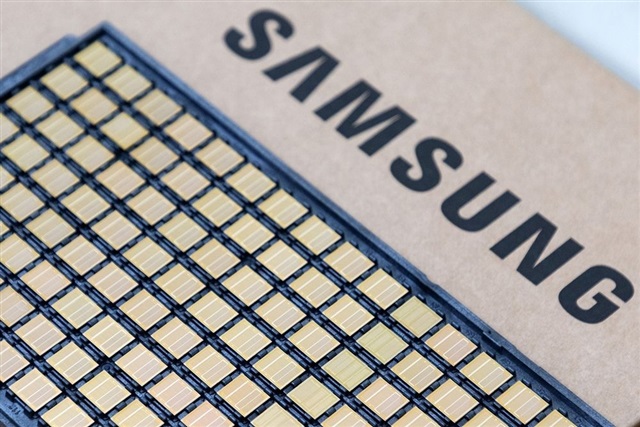
Samsung Electronics is back on top of the global DRAM market, reclaiming the No. 1 spot in the fourth quarter of 2025 after briefly losing the crown to SK Hynix the year before. The comeback is being fueled by a sharp rebound in momentum, including a reported 40% jump in DRAM revenue during 4Q25, signaling that Samsung’s memory business is gaining real traction again.
This shift matters because DRAM isn’t just another component category. It sits at the center of today’s fastest-growing tech sectors, from AI servers and data centers to high-performance PCs and advanced mobile devices. When a company leads DRAM, it typically has both manufacturing scale and pricing power—two factors that can ripple across the entire electronics supply chain.
Now, industry observers are watching the next phase of Samsung’s strategy: whether it can strengthen its position by becoming the first company to mass-produce next-generation DRAM at scale. If Samsung can move quickly on advanced process technology and ramp production reliably, it could widen the gap and lock in long-term leadership—especially as demand rises for higher-capacity, higher-bandwidth memory used in AI workloads.
For Samsung, regaining the top DRAM spot in 4Q25 isn’t only a symbolic win. It suggests the company is executing on competitive pricing, supply stability, and product mix at a time when the memory market is increasingly shaped by AI-driven demand. The big question heading into 2026 is whether this rebound marks the start of a sustained lead—or the beginning of an even tougher race as rivals push their own next-gen DRAM roadmaps.