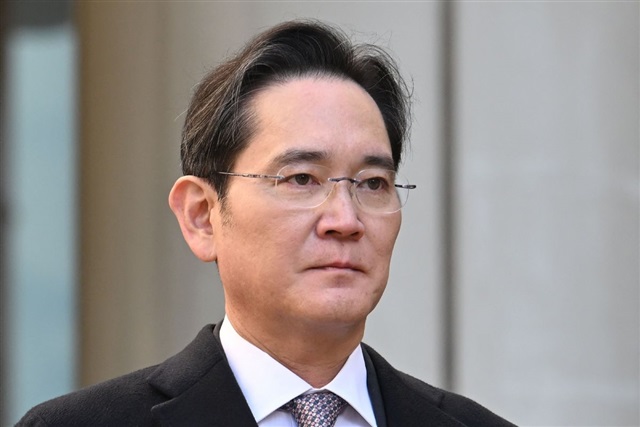
A sudden shake-up at the top of Samsung is signaling a new era of centralized leadership and faster decision-making. Chung Hyun-ho, a close confidant of Chairman Lee Jae-yong and the executive who led the powerful Business Support Task Force, has abruptly retired. With Chung’s departure, Lee is widely expected to assume tighter control over personnel decisions and introduce a fresh blueprint for Samsung’s future.
The Business Support Task Force has long functioned as a central coordination hub, aligning group-wide priorities and guiding human resources, strategy, and operational support across key affiliates. Chung’s exit removes a pivotal intermediary in that system, paving the way for more direct oversight from the chairman. For a company of Samsung’s scale and complexity, this could mean swifter moves on appointments, reorganizations, and long-term strategic bets.
Why this matters now is clear: Samsung is navigating a fiercely competitive landscape across semiconductors, smartphones, displays, and next-generation technologies like artificial intelligence. The industry is shifting rapidly toward AI infrastructure, advanced memory like HBM, cutting-edge foundry processes, and premium mobile experiences. A more streamlined leadership structure could help the company accelerate product roadmaps, consolidate overlapping functions, and prioritize high-impact investments.
Observers will be watching how far-reaching the leadership overhaul becomes. A comprehensive personnel realignment could bring in new faces to mission-critical posts and elevate rising executives with deep technical expertise. It could also signal a reinvigorated push into areas where execution speed is essential, such as AI data center components, advanced process nodes, foldable devices, and strategic partnerships. Aligning capital expenditure and R&D under a unified vision may enable faster pivots and clearer accountability across business units.
At the same time, Samsung is likely to balance this centralization with a focus on operational discipline and governance. For a global technology leader managing complex supply chains and volatile market cycles, tighter oversight can reinforce compliance, risk management, and capital efficiency—especially as macroeconomic uncertainty and geopolitical dynamics remain in play.
For employees, this transition may translate into quicker decisions, sharper performance metrics, and an emphasis on high-priority programs. For partners and suppliers, it signals continuity with urgency: the company appears set to move decisively on its growth agenda while refining its internal control tower.
The coming weeks and months will provide clearer signals about the depth of change. Key indicators will include leadership appointments to replace roles connected to the Business Support Task Force, reorganization of group-level functions, and new guidance on investment priorities. Any updates around semiconductor capacity plans, AI-related product timelines, or major collaborations will further illuminate the company’s next chapter.
What to watch next:
– New appointments to group-level roles and any restructuring of the Business Support Task Force’s responsibilities
– Adjustments to capital expenditure, particularly in memory, foundry, and AI infrastructure
– Signals on M&A appetite or strategic partnerships in software, cloud, or automotive electronics
– Changes in governance or decision-making frameworks aimed at faster execution and accountability
– Product and technology roadmaps in high-growth areas, from advanced chips to premium mobile devices
Chung Hyun-ho’s retirement marks more than a personnel change—it underscores a leadership consolidation that could redefine how quickly Samsung executes its strategy. With Chairman Lee Jae-yong expected to take the helm of personnel decisions and set a clear blueprint, the company is positioning itself for bolder moves in an industry where speed, scale, and strategic clarity are decisive.