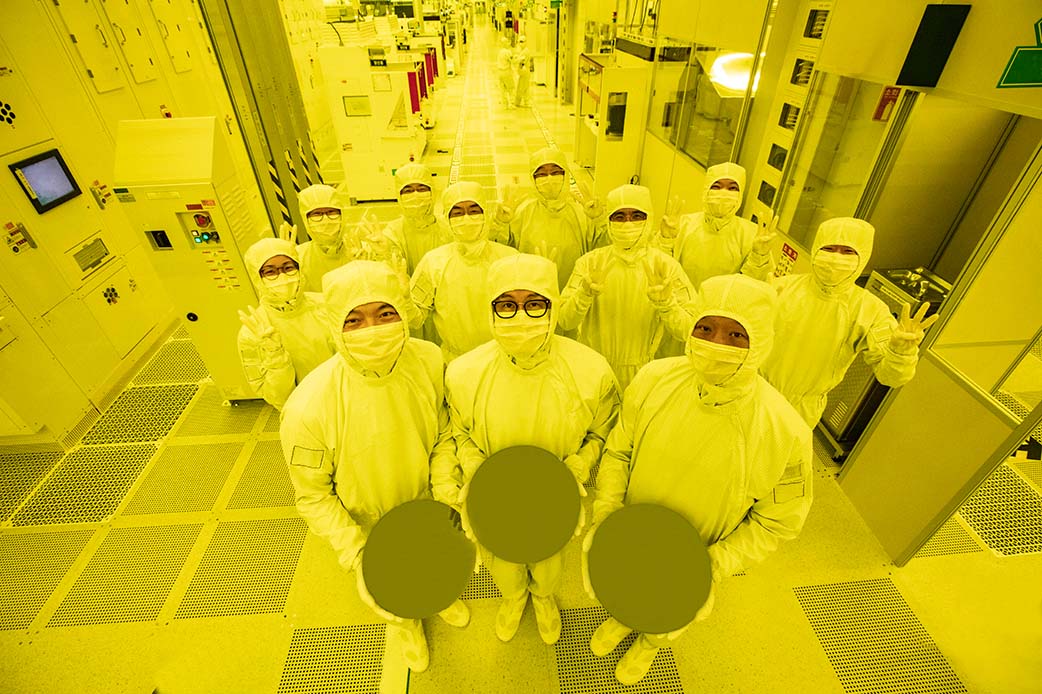
Back in 2022, Samsung made headlines with the announcement of its groundbreaking 3nm GAA technology, promising a significant leap in performance and efficiency over its 5nm predecessor. Fast forward to late 2024, and the tech giant finds itself in a precarious situation as it grapples with yield improvement challenges that threaten its competitive edge in the semiconductor industry. Recent reports suggest that despite relentless efforts, Samsung’s 3nm GAA yields remain substantially below the threshold needed for viable mass production.
According to the Korea Times, Samsung’s yields were a dismal single-digit figure in early 2024. While there has been some progress, with current yields climbing to 20 percent, this is still woefully short of the 60 percent mark that analysts deem necessary for sustainable mass production. This shortfall has serious implications for Samsung’s ability to secure AI chip orders, especially from prominent clients like Qualcomm.
Low yield rates not only drive up wafer costs but also delay chip shipments, diminishing Samsung’s appeal compared to industry rival TSMC. The struggle doesn’t end with 3nm GAA; Samsung’s 2nm GAA efforts are also beset with challenges. A separate report highlights that the company had to pull staff from its Taylor, Texas plant due to poor yields in the 10-20 percent range.
Samsung is racing against the clock to turn the tide. The successful implementation of 3nm GAA technology is crucial for clients like NVIDIA, which plans to use the advanced manufacturing process for its AI GPUs. However, if yield issues persist, it could force Samsung to take drastic measures, including possibly launching its future Galaxy S25 lineup exclusively with Qualcomm’s Snapdragon 8 Gen 4 chip.
As the Korean tech giant navigates these turbulent waters, all eyes will be on how quickly and effectively it can resolve these yield problems to maintain its standing in the fiercely competitive semiconductor market.