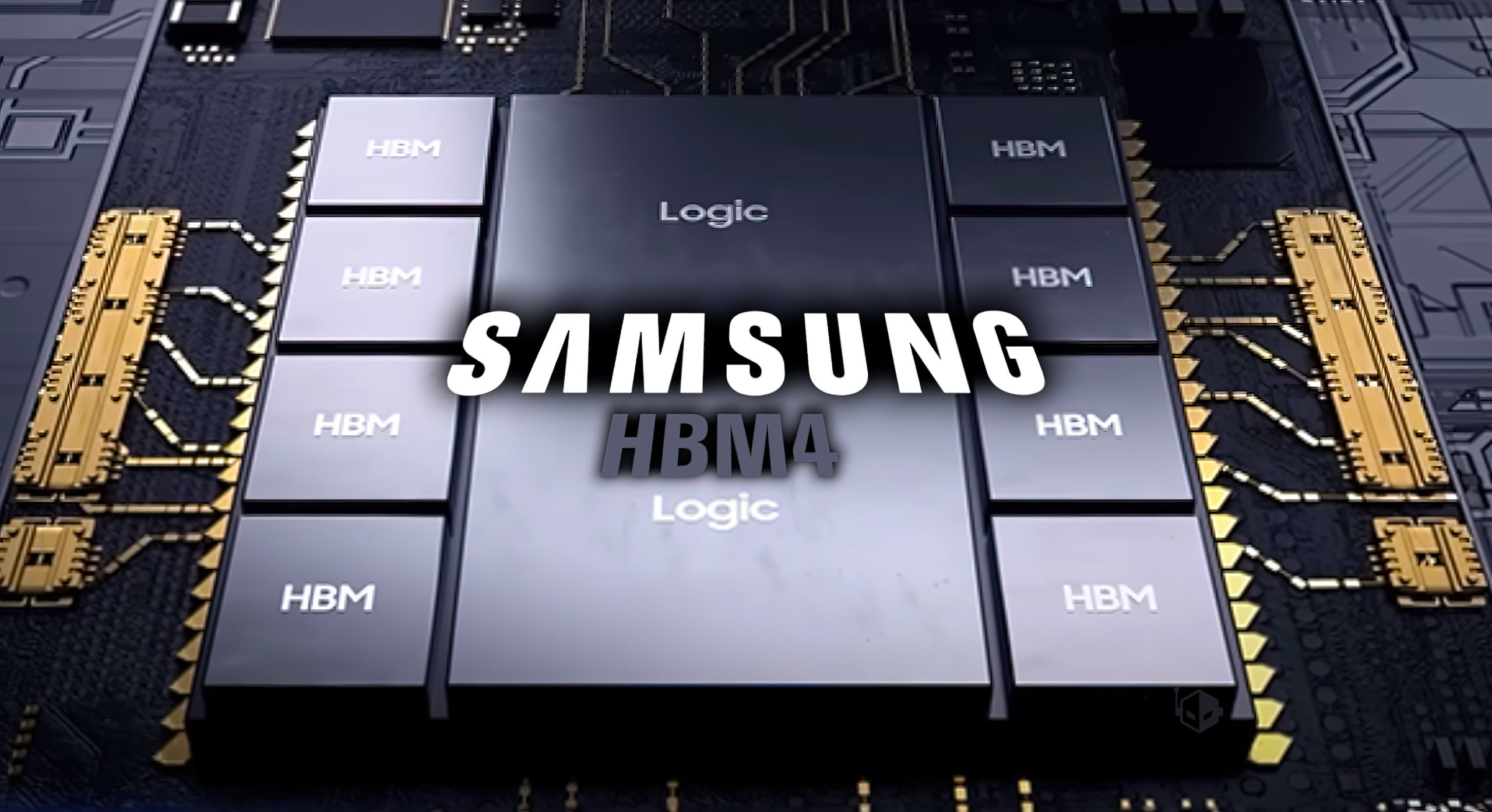
Samsung is gearing up for a decisive push to win NVIDIA’s next round of high-bandwidth memory business, even if it means igniting a price war over HBM4. After several quarters of trying to break into NVIDIA’s supply chain, the company is reportedly preparing aggressive offers designed to undercut rivals and secure a coveted spot as a key HBM supplier for AI accelerators.
NVIDIA is currently the largest buyer of HBM thanks to exploding demand for AI chips, making this opportunity pivotal for any memory maker. According to reports from Korea, Samsung plans to offer HBM4 at highly competitive prices against SK hynix and Micron, even if that means sacrificing profit margins in the short term. The strategy is clear: pair sharp pricing with scale to win trust and volume.
To back its bid, Samsung is ramping production capacity and deploying advanced tools, including ASML’s High-NA EUV lithography, to improve performance and yields. The company’s structure gives it another edge—its own logic and memory manufacturing lines—allowing it to coordinate and allocate capacity in ways that could appeal to NVIDIA’s massive and time-sensitive demand.
Pricing dynamics could become the key battleground. SK hynix is rumored to be positioning HBM4 at a premium—potentially 30% to 40% higher than HBM3E—reflecting the technical leap and intense demand. Samsung is betting that undercutting on price, combined with higher available capacity, will be enough to overcome any lingering concerns stemming from earlier qualification challenges. The message is bold: more capacity, lower cost, ready now.
There are also signs of top-level momentum. Samsung Chairman Jay Y. Lee recently met with NVIDIA CEO Jensen Huang in the United States, and the two companies are said to be exploring collaboration across HBM and other areas. While nothing is finalized, HBM4 could be the inflection point that brings Samsung into NVIDIA’s memory lineup.
If Samsung lands this deal, the ripple effects would be significant. NVIDIA would gain a stronger multi-sourcing position, potentially improving supply stability and cost leverage. The broader AI hardware market could see more competitive HBM pricing and greater output just as demand for next-gen accelerators continues to swell.
What to watch next:
– Samsung’s HBM4 qualification progress with NVIDIA and other AI chipmakers
– How SK hynix and Micron respond on pricing, capacity, and timelines
– Early performance and yield indicators for HBM4 produced with High-NA EUV
– Whether multi-vendor HBM4 sourcing lowers costs for AI GPU platforms
– Timelines for HBM4 adoption versus ongoing HBM3E deployments
Bottom line: Samsung is signaling it will do what it takes—price, capacity, and technology—to win a seat at NVIDIA’s HBM4 table. If the strategy works, it could reshape the competitive landscape of AI memory in 2025 and beyond.