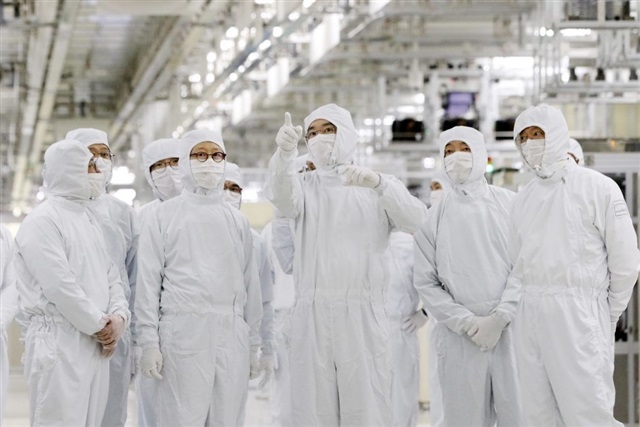
Samsung is preparing a major expansion of its U.S. chip manufacturing footprint, planning a US$1.9 billion upgrade to its wafer foundry in Austin, Texas. The goal is to produce Apple’s next-generation CIS (CMOS image sensor) chips, with production targeted to begin in late 2026, pending final approvals.
This move signals a deeper collaboration across the supply chain for advanced imaging technology. CIS chips are at the heart of modern smartphone photography and computational imaging, enabling sharper photos, improved low-light performance, faster autofocus, and more efficient on-device processing. By positioning production in Austin, Samsung aims to support tighter logistics, greater supply resilience, and closer alignment with a key U.S.-based customer.
The Austin City Council is set to vote on extending Samsung’s eligibility for local incentives that would support the planned upgrade. If approved, the measure would help accelerate equipment installations and facility enhancements tailored for high-volume CIS manufacturing. The proposed investment underscores the region’s growing role in the semiconductor ecosystem and highlights a broader industry push to expand advanced chipmaking capacity in the United States.
What this means in practical terms:
– A strengthened U.S. semiconductor supply chain with more imaging chip production closer to end markets.
– A technology pathway for Apple’s future devices to benefit from next-generation camera and imaging capabilities.
– A potential economic boost for Austin through expanded high-tech operations and long-term capital investment.
– A clearer timeline, with late 2026 targeted for production start as new tools, cleanroom upgrades, and manufacturing lines come online.
With demand for premium camera performance and AI-driven image processing surging across smartphones and other connected devices, CIS capacity has become increasingly strategic. Samsung’s planned upgrade in Austin is designed to meet that demand while aligning with U.S. manufacturing priorities. As the city council weighs the incentive extension, the project is positioned to reinforce Austin’s status as a critical hub for advanced chip production and to set the stage for the next wave of imaging innovation.