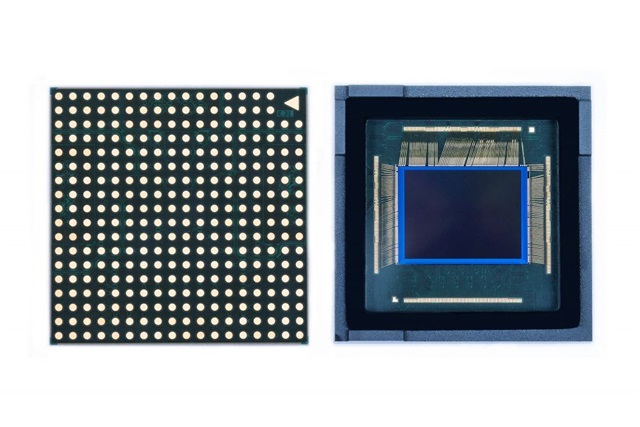
Samsung Electronics Amplifies Competition in Imaging Technology with New Image Quality Lab
The technology sphere is abuzz with news that Samsung Electronics is reinforcing its capabilities in the camera sensor segment. As part of a strategic move to enhance its competitive edge in CMOS Image Sensors (CIS), Samsung is investing in the construction of a new image quality lab specifically dedicated to advancing its CIS technology. This decision underscores Samsung’s commitment to narrowing the gap with industry leader Sony, known for its dominance in high-resolution image sensors.
Samsung’s new lab will focus on simulating a vast range of photographic scenarios to fine-tune the performance of its sensors. Researchers and engineers at the facility will meticulously work on replicating real-world situations to test and improve upon the high-resolution image technology embedded within their CIS products.
The Vying Field of High-Resolution Image Sensors
High-resolution image sensors have become a critical component in various technology applications, ranging from smartphones to digital cameras and beyond. With the ever-increasing demand for sharper and more detailed images, companies like Samsung and Sony are in a relentless competition to set new benchmarks in image quality and sensor functionality.
In this race, simulation plays a pivotal role in sensor development. Capturing images of diverse landscapes and lighting conditions allows engineers to analyze and enhance the sensor’s ability to reproduce colors accurately, handle dynamic range, and reduce noise in low-light conditions. This approach ensures that the end product can deliver exceptional image quality that meets the high expectations of consumers and professional users alike.
Why Samsung’s Move Matters
Samsung’s establishment of an image quality laboratory represents more than just an expansion of its research and development resources; it signals the company’s determination to become a leader in the CIS market. By prioritizing image quality and addressing the nuances of sensor performance, Samsung is positioning itself as a formidable competitor capable of producing image sensors that rival or surpass those of Sony.
Towards a More Vivid Technological Future
For consumers, this development promises exciting advancements in photographic technology. With Samsung pushing the envelope, we can anticipate smartphones and devices equipped with even more sophisticated cameras, capable of capturing images with astounding clarity and richness of detail.
In a world where visual content reigns supreme, the innovations that emerge from Samsung’s new lab could transform a range of industries, from mobile and consumer electronics to surveillance and automotive technologies.
Practical Insights for Consumers and Professionals
Those interested in the field of photography, technology enthusiasts, and professionals in the sectors of imaging and electronics can look forward to witnessing the fruits of Samsung’s new endeavor. Not only will this lead to more choice in the market, but it will also continue to drive innovation, resulting in more advanced and accessible imaging solutions.
How to Leverage Advanced Image Sensors
For individuals and businesses alike, the progress in image sensor technology offers several actionable steps:
1. For photographers and content creators, staying informed about the latest sensor technology can help in choosing the right equipment that aligns with their creative goals.
2. Businesses in retail and marketing can utilize advanced cameras to create more engaging visual content for their audiences.
3. In sectors like security, improved sensors could lead to more reliable surveillance systems.
In summary, Samsung’s strategic move to establish a new CIS lab might just be the catalyst that propels the tech giant to new heights in the domain of imaging technology. As developments unfold, we can all look forward to experiencing the visuals that leap from the canvas of innovation directly to the screens and lenses of our favorite devices.


