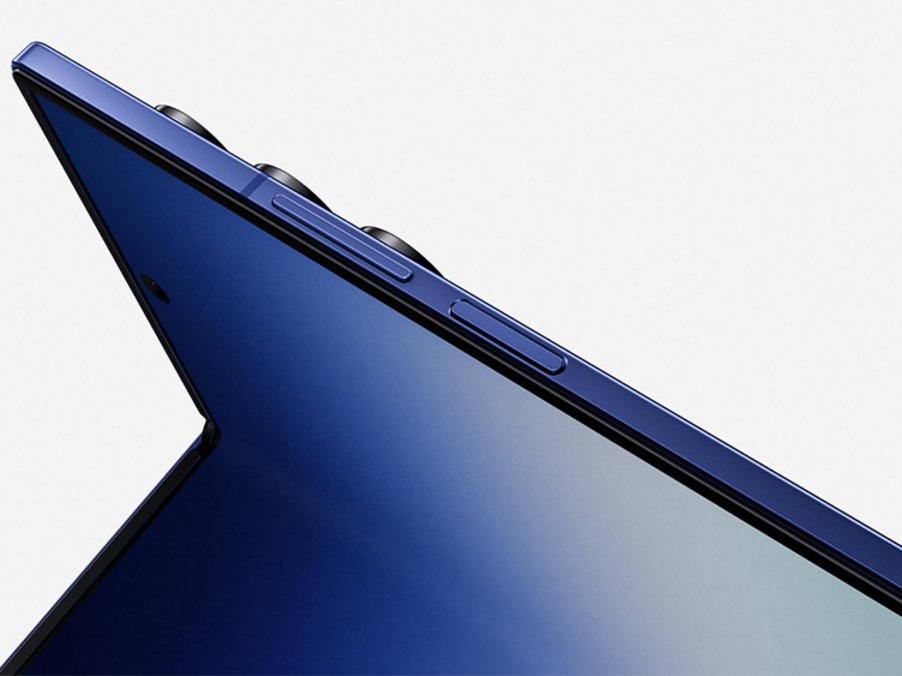
Foldable phones have come a long way, but one big challenge has held them back: placing cameras and fingerprint sensors under a flexible display without compromising durability. Cutting holes in a bendable screen weakens its layered structure, inviting microscopic cracks and letting in moisture—two things that can shorten a device’s life. That’s why many foldables still rely on side-mounted fingerprint readers.
A newly published patent outlines a promising solution. It describes an active “self-healing” protection system designed for the sensitive areas around under-display cameras and in-display fingerprint sensors on foldable phones, potentially paving the way for cleaner designs on future Galaxy Z Fold and Z Flip models.
At the heart of the idea is a tiny monitoring network built into the display. The patent details a sensing loop—microscopic wires and detectors arranged around cutouts—that continuously checks for stress, microfractures, and structural changes in the screen’s layers. If the system detects a problem, it springs into action. Special dummy metal patterns deploy to reinforce the spot and effectively create an invisible patch that stops cracks from spreading. To further protect the OLED stack, the design introduces grooves and sealants that block oxygen and moisture from sneaking into vulnerable areas.
Think of it as a three-step defense: detect, seal, and reinforce. By strengthening the regions around cameras and biometric sensors, the approach addresses one of the biggest durability pain points in foldable displays. In practical terms, this could finally make robust in-display fingerprint sensors and more reliable under-panel cameras a reality on bendable phones—without sacrificing longevity.
As with any patent, there’s no guarantee on timelines or commercial rollout. It does, however, signal serious work toward solving a problem that has limited foldable phone design for years. If the concept translates well to mass production, users could see stronger, more resilient foldables with sleeker fronts, fewer interruptions on the display, and improved resistance to everyday wear.
Key takeaways:
– The patent targets weak points created by display cutouts for cameras and fingerprint sensors on foldable phones.
– A sensing loop of micro-wires monitors stress and microcracks in real time.
– When damage is detected, dummy metal patterns reinforce the area like an instant patch.
– Added grooves and sealants help keep oxygen and moisture away from the OLED layers.
– The tech could enable dependable under-display biometrics and cameras on future Galaxy Z Fold and Z Flip devices, though commercial adoption isn’t confirmed yet.