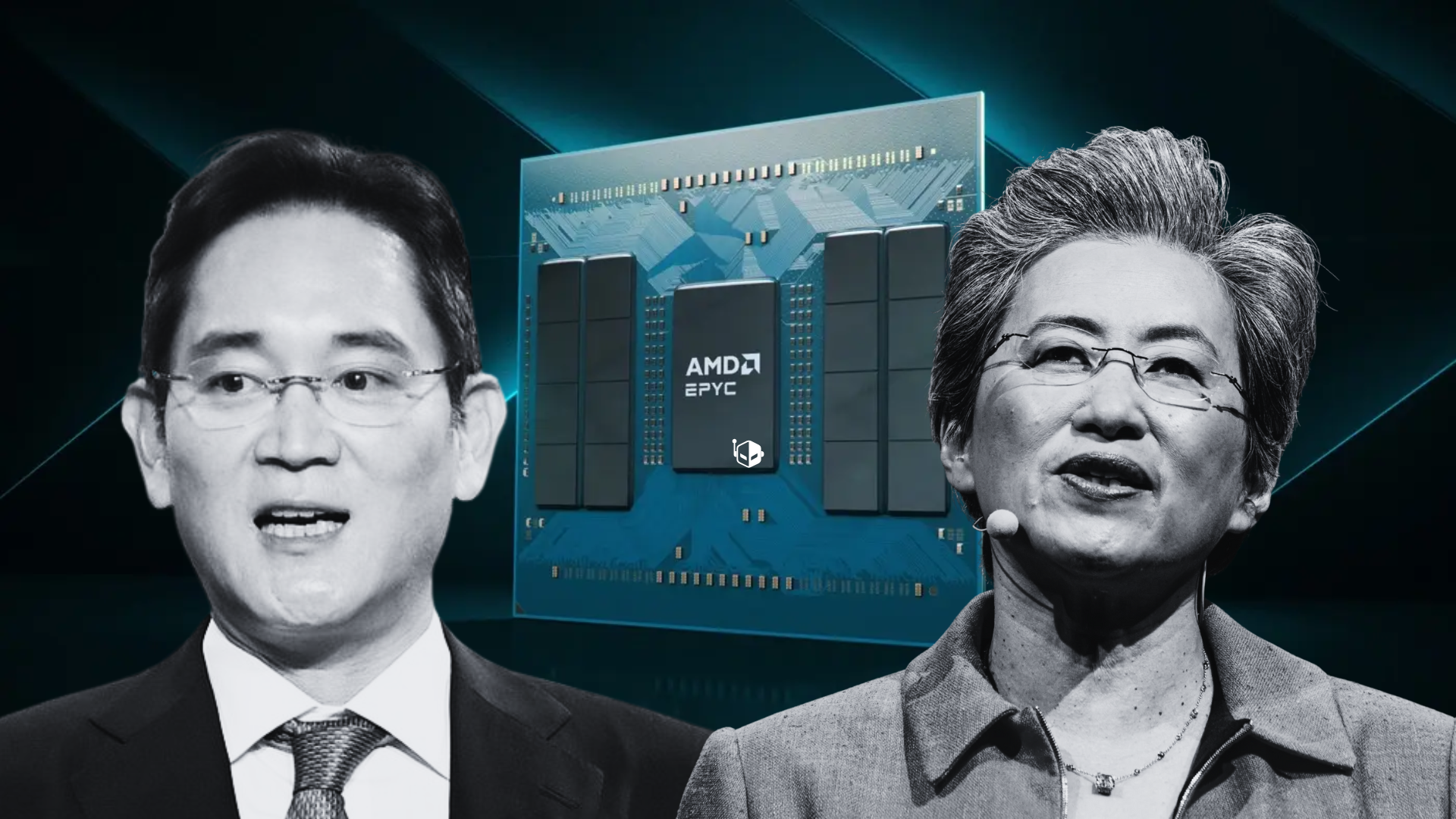
Samsung Foundry is pushing hard to regain momentum in the global chipmaking race, and a new report suggests the company is now in discussions with AMD about using Samsung’s 2nm-class SF2 manufacturing process for a future CPU. If the talks turn into a deal, it could mark one of Samsung’s most important external foundry wins yet, especially in the high-performance processor market.
For years, Samsung has struggled to attract the same level of outside customers as its biggest rival, TSMC, which has long been the top choice for major names across smartphones, PCs, and data centers. But the landscape is shifting. Leading-edge capacity has become a hot commodity, and ongoing demand from AI, cloud, and high-end consumer devices is putting immense pressure on the most advanced production lines. That’s creating opportunities for alternative foundries with competitive next-gen nodes.
According to Sedaily, AMD and Samsung are evaluating whether SF2 can meet AMD’s performance requirements for a “next-generation CPU.” The report adds that the two sides are expected to decide on a contract around January next year, after technical and performance evaluations.
The most likely candidate for this collaboration is AMD’s upcoming EPYC Venice data center processor. EPYC is central to AMD’s server roadmap, and next-generation data center CPUs are expected to be among the first AMD products to adopt 2nm manufacturing. With advanced-node capacity increasingly tight, bringing Samsung into the supply chain could help AMD secure more wafers, reduce risk, and potentially improve time-to-market flexibility for large cloud and enterprise orders.
There is also some speculation that AMD’s future consumer CPUs could eventually benefit from a similar approach, but current timing makes that less likely. A consumer-focused 2nm CPU platform is expected later, and the near-term focus appears to be on the silicon that most urgently needs guaranteed capacity—data center parts where demand is strongest and margins are highest.
If Samsung can successfully prototype AMD chips and demonstrate that SF2 delivers the performance, efficiency, and yields AMD needs, it could open the door to deeper collaboration. And if AMD does adopt Samsung for even part of its 2nm production, that would be a major signal to the broader market that Samsung’s latest process technology is ready for top-tier CPU workloads.
Bigger picture, this is exactly the kind of shift many industry watchers expect as AI-driven demand accelerates. Relying on a single foundry for cutting-edge nodes is becoming harder, both due to availability and strategic risk. For large fabless chip designers like AMD, dual-sourcing—splitting production across multiple foundries—can offer a more stable supply chain. Beyond Samsung, the other major alternative being watched is Intel’s foundry business, though many customers are expected to wait and see how Intel’s leading-edge nodes perform in its own shipping products before committing.
For Samsung, landing AMD as a 2nm customer would be more than just another contract. It would be a credibility boost in the most competitive segment of semiconductor manufacturing—and a clear step toward challenging the current balance of power in advanced chip production.