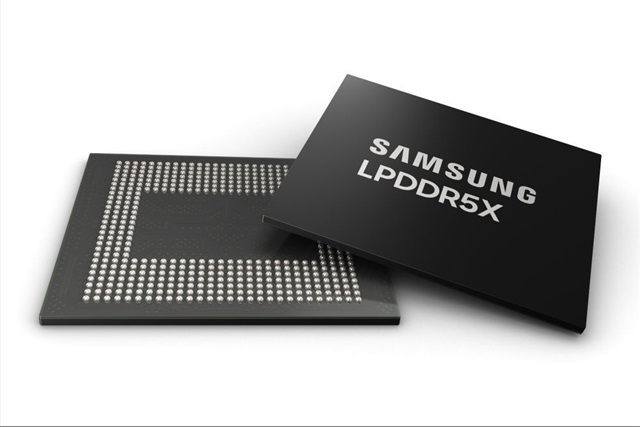
Samsung is reportedly taking the lead as Apple’s top mobile DRAM supplier for the iPhone 17 lineup, signaling a major shift in the behind-the-scenes supply chain that powers the next generation of iPhones. According to industry chatter, Samsung Electronics has secured more than 60% of the iPhone 17’s mobile DRAM supply, putting it ahead of key rivals and strengthening its position as Apple’s go-to source for one of the phone’s most essential components.
This momentum isn’t expected to be a one-off. Analysts believe Samsung’s stronger role will likely extend into the iPhone 18 era as well, suggesting Apple is increasingly confident in Samsung’s ability to deliver both the volume and consistency required for massive iPhone launches.
So why the change now? The shift is widely linked to competing memory makers adjusting their production priorities. With SK Hynix and Micron reportedly concentrating more of their manufacturing capacity elsewhere, Samsung appears to have stepped in at the right time with the scale and supply stability Apple needs. In a market where timing and yield rates can make or break a product rollout, the supplier that can reliably meet demand often wins the biggest share.
For iPhone buyers, mobile DRAM might not be as headline-grabbing as cameras or displays, but it plays a huge role in real-world performance. DRAM affects how smoothly apps run, how quickly the phone can switch between tasks, and how well the device handles heavy workloads like gaming, video editing, and AI-driven features. That makes reliable high-quality memory supply a critical piece of Apple’s iPhone strategy, especially as iOS features become more demanding and on-device processing continues to grow.
The bigger takeaway is what this says about the smartphone component market right now. Apple’s supplier mix can change quickly depending on pricing, available capacity, production focus, and long-term reliability. Samsung’s reported rise to the top for iPhone 17 DRAM highlights how competitive and fast-moving the memory business has become, with even the biggest players needing to constantly adapt.
If the current trajectory holds, Samsung’s growing share could shape the iPhone 18 supply chain too, reinforcing its role in the premium smartphone ecosystem even as it competes with Apple in the broader phone market.