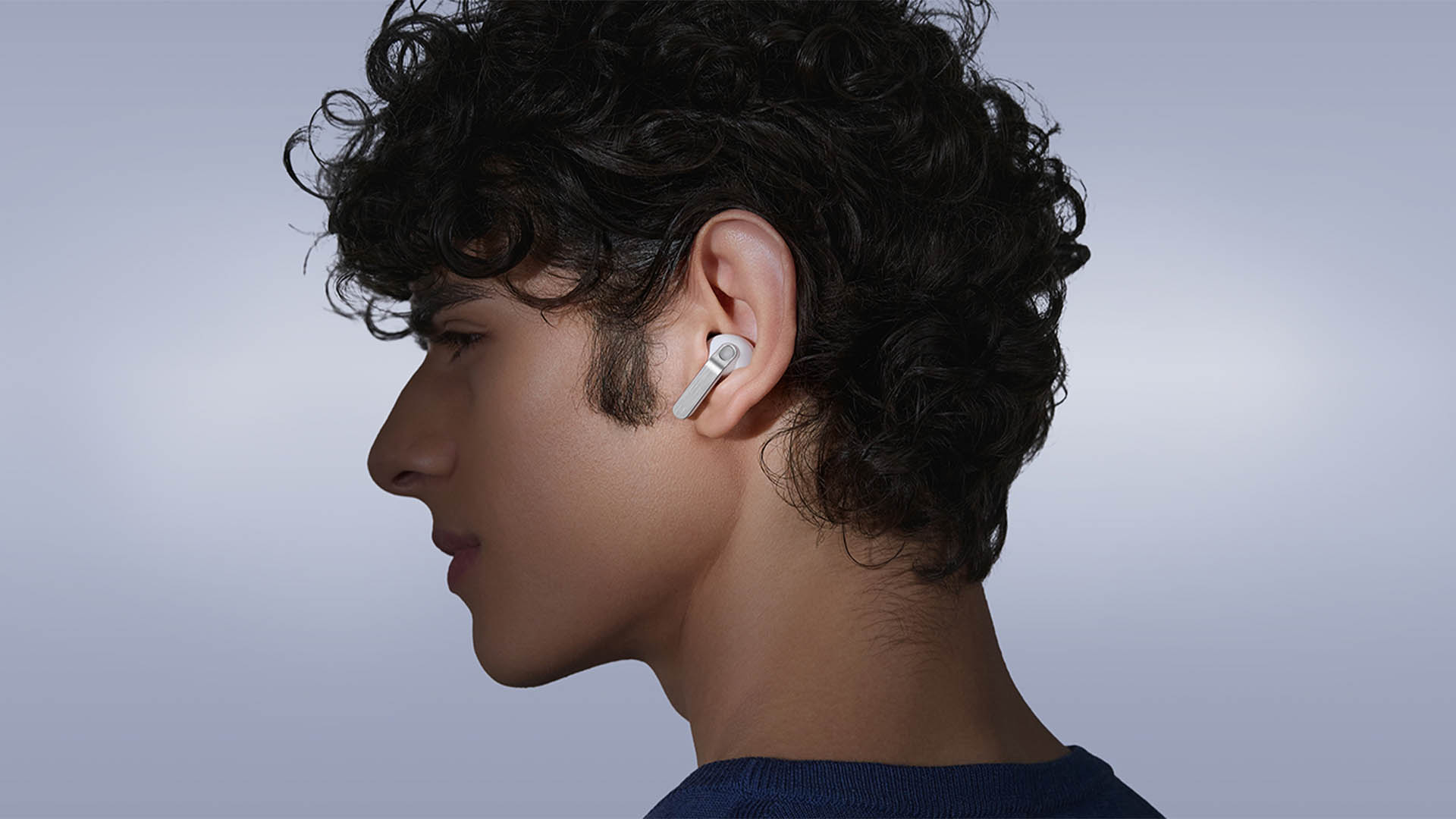
Samsung has a habit that frustrates even its most loyal fans: holding back certain software features to make newer devices feel more “must-have” than they really are. It’s a strategy that can quickly backfire, because it sends a message that perfectly capable hardware is being intentionally limited—especially when customers have already paid premium prices for Samsung’s latest accessories.
A fresh example involves the Galaxy Buds 4 Pro and a calling feature Samsung promotes as Super Wideband speech. In simple terms, this upgrade doubles the standard Bluetooth voice call bandwidth from 8kHz to 16kHz. The benefit is easy to understand in real-world use: voice calls can sound clearer and more natural, with better reproduction of subtle high-frequency details that often get lost in typical Bluetooth call audio.
The controversy is that Super Wideband speech appears to be artificially gated on the phone side. Older Samsung flagships like the Galaxy S24 Ultra should, in theory, be able to support the feature. The core requirements are tied to Bluetooth LE Audio and the LC3 codec—capabilities that already exist on the S24 series. Yet Samsung is reportedly not enabling Super Wideband speech for Galaxy S24 devices, effectively restricting the feature to newer models such as the Galaxy S25 line and beyond.
That decision has sparked predictable backlash. From a consumer’s perspective, it feels like paying full price for Galaxy Buds 4 Pro but being told you can’t use one of the headline features unless you also upgrade your phone—despite owning a recent flagship that is still very much modern in 2026.
What makes the situation even more puzzling is that Samsung doesn’t seem to need this kind of artificial segmentation right now. Early signals suggest the Galaxy S26 series is already moving at a healthy pace, with production reportedly rising sharply for the base Galaxy S26 and also increasing for the Galaxy S26 Ultra. In other words, demand appears strong without leaning on software locks that can sour customer goodwill.
If Samsung wants to keep its reputation for premium experiences intact, feature gating that looks “software-only” is a risky move. Users are increasingly aware of what their devices can do, and when features like Super Wideband speech are held back despite apparent hardware support, it’s easy to interpret it as forced obsolescence rather than genuine technical limitation.