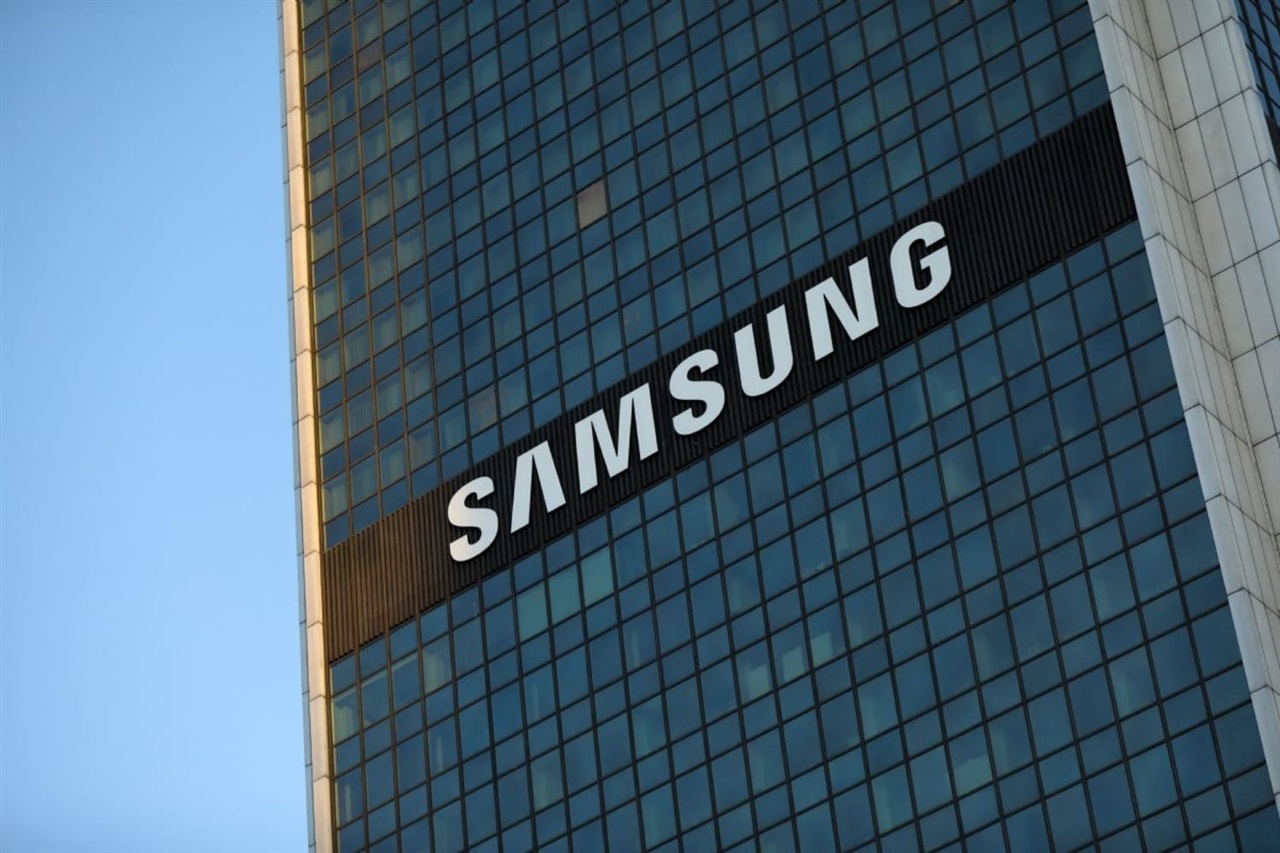
Samsung Opens New Quantum Design Lab in Boston to Strengthen US Research Efforts
Samsung Electronics is expanding its ambitions in quantum computing with the launch of a new Quantum Design Lab in the Boston area of Massachusetts. The move marks an important step for the South Korean technology giant as it deepens its presence in one of the United States’ most active research and innovation regions.
The company has already begun hiring talent for the new facility, showing that the lab is not just a symbolic investment but part of a broader long-term strategy. By placing its quantum research operations near Boston, Samsung gains closer access to leading universities, engineering talent, advanced research institutions, and a strong technology ecosystem.
Quantum computing is seen as one of the next major frontiers in technology. Unlike traditional computers, quantum systems have the potential to solve certain complex problems much faster by using the principles of quantum mechanics. While the field is still in its early stages, major technology companies, governments, and research labs are investing heavily in its future possibilities.
For Samsung, the new Boston Quantum Design Lab could help connect its deep semiconductor knowledge with emerging quantum technologies. The company is already one of the world’s most influential players in chip manufacturing, memory technology, and advanced electronics. Combining that expertise with quantum research may open the door to new breakthroughs in computing hardware, chip design, materials science, and next-generation processing systems.
The decision to establish the lab in Massachusetts is also significant. The Boston area is known for its concentration of top-tier academic institutions and scientific talent. This gives Samsung a stronger foothold in the US research landscape and may help the company collaborate more closely with experts in physics, engineering, nanotechnology, and computing.
Samsung’s latest move reflects a wider trend across the technology industry. As artificial intelligence, high-performance computing, and advanced semiconductor development continue to grow, companies are looking beyond conventional chip design and exploring new computing models. Quantum computing remains a challenging field, but early investment could prove valuable as the technology matures.
The new lab suggests that Samsung is preparing for a future where quantum systems may play a meaningful role in solving complex industrial, scientific, and commercial problems. While practical large-scale quantum computers are still under development, the race to build the foundation for that future is already underway.
By opening a Quantum Design Lab in the Boston area and recruiting specialized talent, Samsung is positioning itself to be more active in the global quantum computing race. The effort highlights the company’s commitment to advanced research and its intention to remain competitive as the next era of computing begins to take shape.