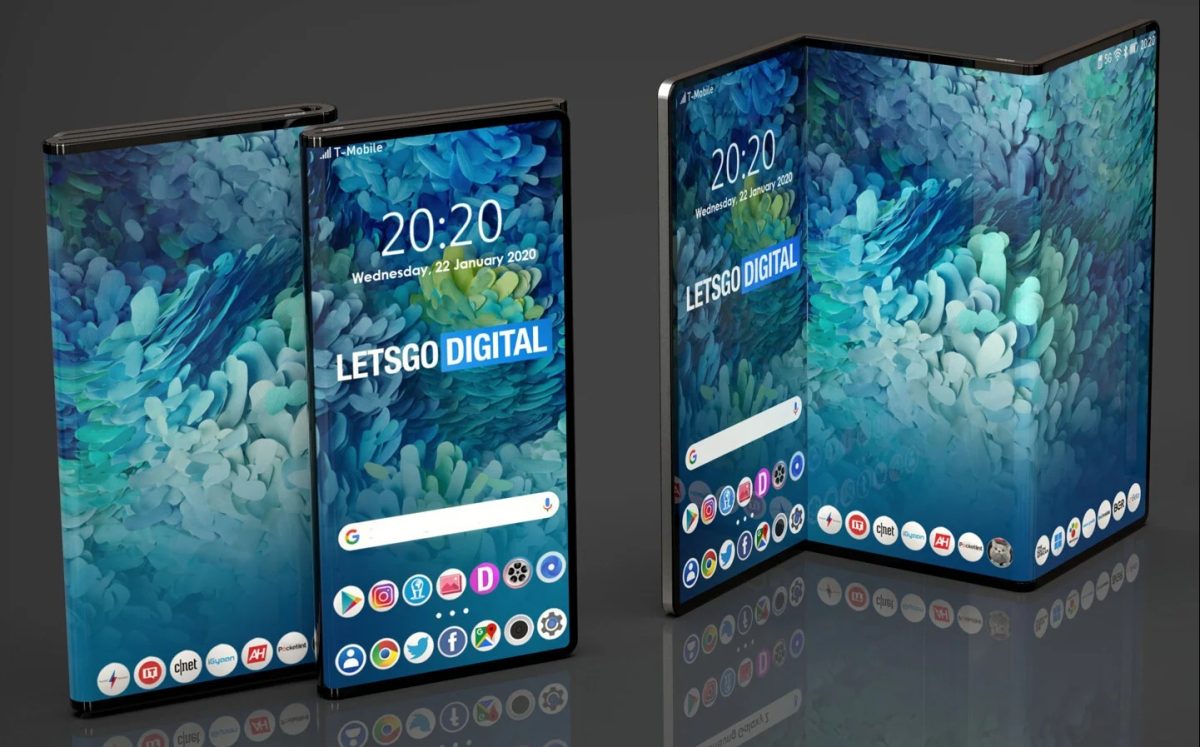
Samsung is gearing up to shake up the foldable market with a bold new form factor: a tri-fold smartphone reportedly called the Galaxy G Fold. Instead of a wide-open, splashy debut, the company appears to be taking a measured path, treating the device as a strategic experiment with a tightly controlled rollout.
Early indications point to an ultra-limited first wave. Samsung is said to be producing around 50,000 units—far fewer than the roughly 200,000 some expected—positioning the Galaxy G Fold as a premium, hard-to-get showcase. The initial plan reportedly targets select high-income regions to preserve exclusivity while Samsung gauges real-world interest, stress-tests the design, and fine-tunes production. This scarcity could push early-adopter prices beyond the official tag as demand outstrips supply.
There’s a clear logic to the cautious strategy. A constrained release lets Samsung collect valuable feedback on durability, software optimization, and use cases unique to a tri-fold layout—insights that can sharpen subsequent iterations and scale-up plans. It also helps the company protect momentum for the Galaxy Z Fold 7, which is performing well; a limited-release tri-fold avoids overshadowing the current flagship while still signaling innovation leadership.
This is consistent with Samsung’s recent playbook. The company has taken a similarly careful approach with its Project Moohan XR headset, testing the waters in selected regions with limited supply to minimize risk and learn from early user behavior before expanding.
The trade-off is consumer friction. Limited availability can fuel resale markups and frustrate buyers who want to be among the first to own a tri-fold phone. It also risks sending mixed signals: a device meant to push foldables into the mainstream could feel out of reach if the scarcity is too pronounced.
What it means for shoppers:
– Expect tight availability, especially at launch, and potential price premiums in secondary channels.
– Regional rollout will likely be selective at first, with broader availability dependent on early responses and production readiness.
– The Galaxy Z Fold 7 remains a strong option for those who want a proven foldable without the scarcity and potential early-adopter trade-offs.
If Samsung strikes the right balance—exclusive enough to learn quickly, but accessible enough to build momentum—the Galaxy G Fold could set the template for tri-fold devices. If not, the perception of artificial scarcity could slow the very mainstream adoption this design aims to accelerate. Either way, the move underscores Samsung’s intent to stay at the forefront of foldable innovation while carefully managing risk.


