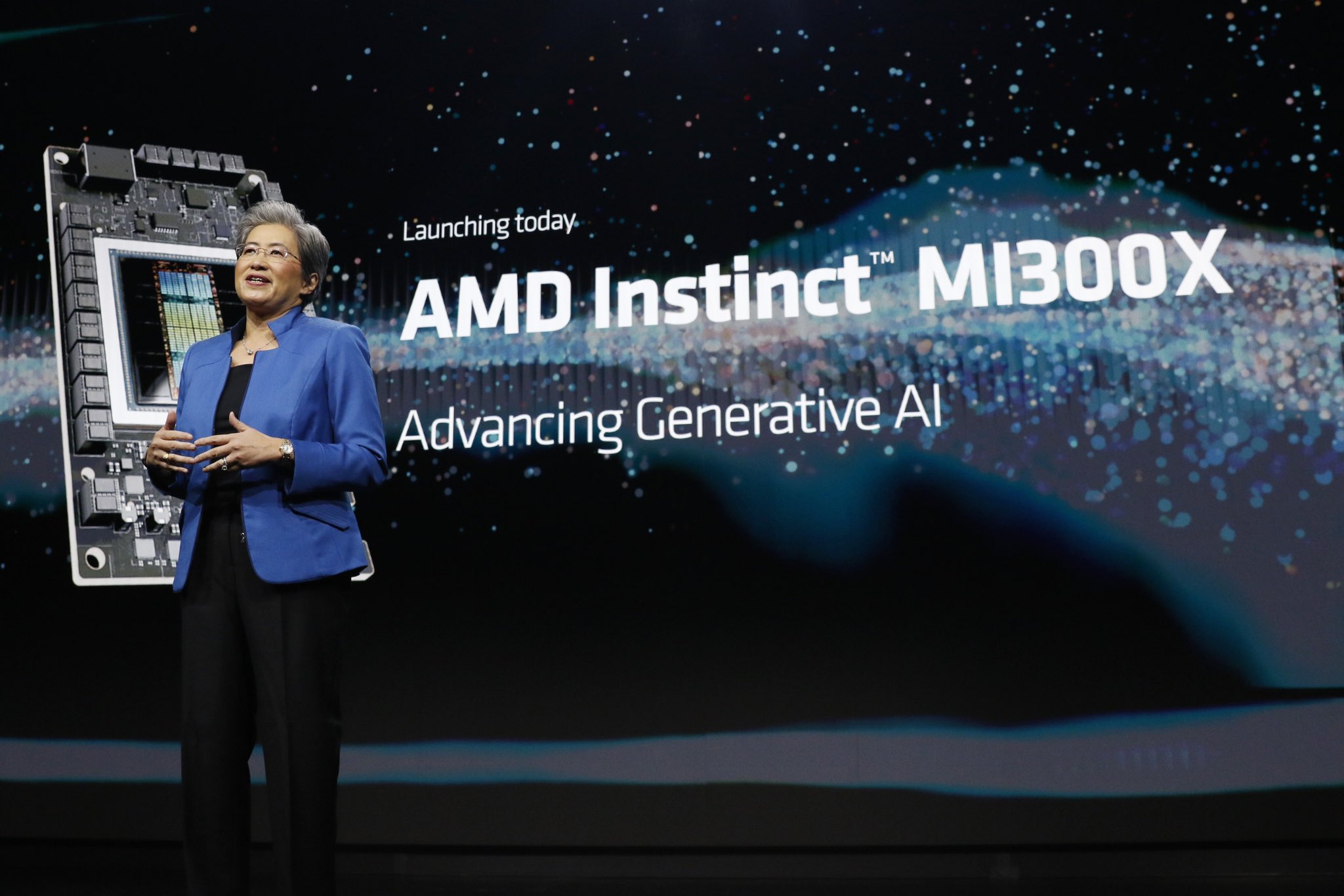
Samsung Electronics is making significant strides in the realm of artificial intelligence by investing a substantial $20 million in AMD Instinct MI300X GPUs. This purchase marks a strategic move for the tech giant as it sets its sights on advancing AI capabilities. Samsung’s choice of the AMD Instinct MI300X over the more costly NVIDIA offerings suggests a smart, cost-effective approach to meeting its AI hardware needs.
Recent reports indicate that Samsung has rolled out testing for these newly acquired GPUs, kicking off its AI development projects with vigor. The AMD MI300X data center GPUs are reputed for their affordability, positioning themselves as a practical alternative to the more expensive NVIDIA counterparts, which can cost between $30,000 and $40,000. Each AMD MI300X, on the other hand, comes at a bargain, costing Samsung approximately $10,000 each.
The MI300X is not just cost-effective; it boasts impressive specifications with 19,456 Stream Processors, 304 Compute Units, and 192 GB of High Bandwidth Memory (HBM3), making it well-suited for handling intensive workloads. These features render the GPU an advantageous choice for large-scale projects. Despite initial assessments shedding light on relatively inferior performance alongside NVIDIA’s H100, Samsung’s interest piqued when AMD’s internal tests showcased competitive performance levels.
The GPUs are being scrutinized by Samsung Research, spearheading evaluation efforts within the company’s DX division. Though still in the early stages of testing, insiders at Samsung suggest that more time is required before AI development leverages the full potential of these GPUs.
Additionally, Samsung’s vested interest in AMD’s offerings is further underscored by the company’s own supply of HBM memory to AMD’s Instinct GPU lineup. This duo of supply and demand hints at a continued collaboration, with the potential to strengthen ties between Samsung and AMD in future ventures.
This strategic investment highlights Samsung’s dedication to forging ahead in AI development, leveraging cutting-edge technology while maintaining fiscal prudence. The decision to work with AMD not only showcases a positive outlook on their GPU capabilities but also lays a foundation for future endeavors in the evolving tech landscape.