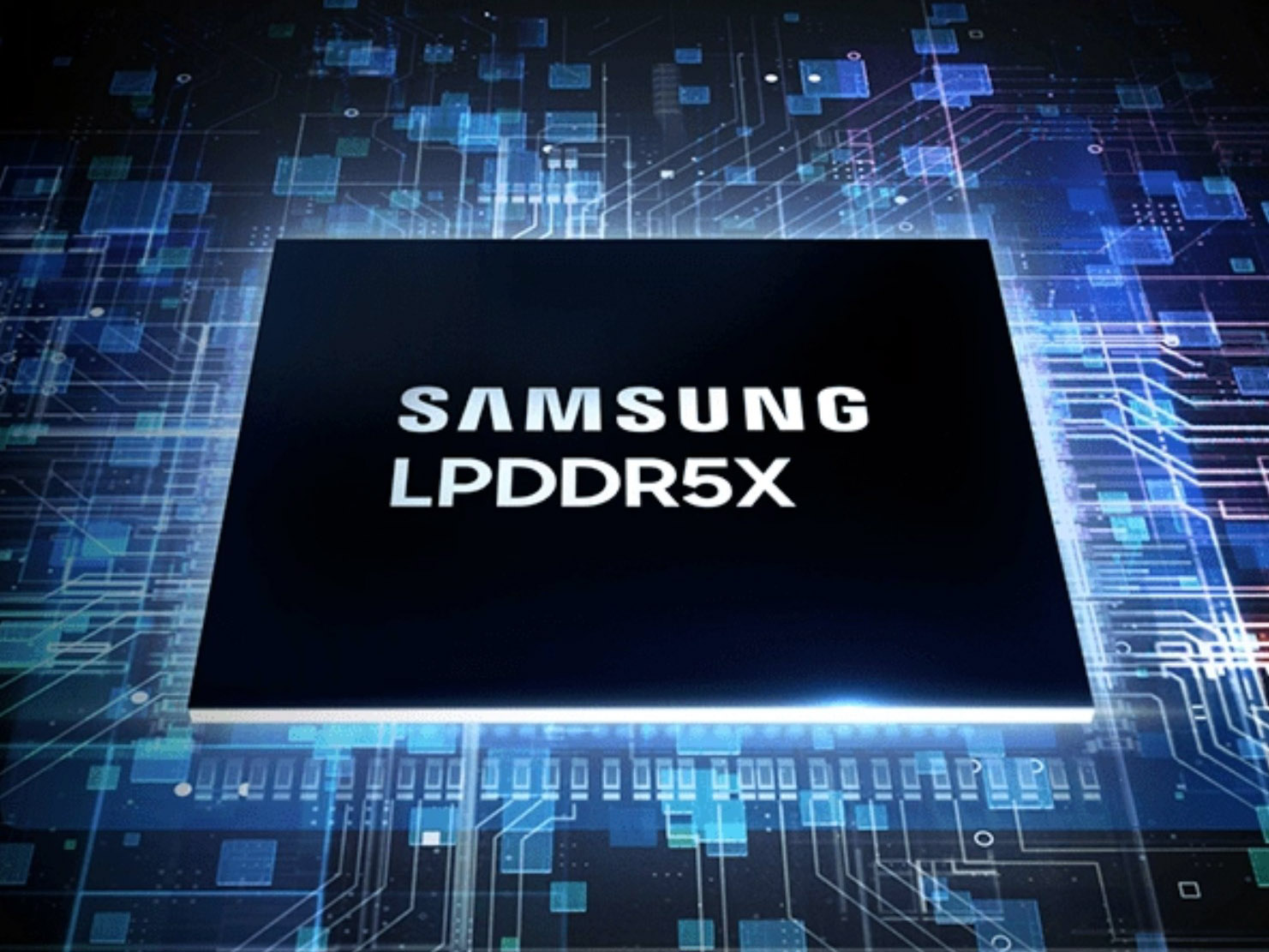
Samsung is reportedly preparing a major shake-up for anyone planning to buy a laptop, gaming console, or SSD in the months ahead. Distributors in Taiwan, where a large share of the world’s laptops and consoles are assembled, have allegedly been told to expect higher wholesale prices on Samsung memory products—by as much as 80% in some cases.
This comes at a time when consumer memory prices have already been climbing fast. Over the past few months, shoppers have watched everyday upgrades turn into big-ticket purchases, with DDR5 laptop RAM kits and portable SSDs seeing dramatic jumps. The kind of price you might have paid not long ago for a 32GB DDR5 laptop memory kit has reportedly surged to more than double, and popular portable SSD options that once sat comfortably under $100 have been showing up closer to the $200 range.
What’s making the situation even more frustrating is that the problem isn’t only pricing—it’s also availability. One hardware distributor described DDR5 PC memory modules selling at levels that amount to nearly triple in about two months, while also saying supply is tight enough that they can only move a small number of kits per day. In other words, even if buyers are willing to pay more, there may not be enough inventory to go around.
Inside Samsung, at least one source has pushed back on the idea that every product is rising by the full 80%. However, that response still points in the same direction: pricing pressure is real, and further increases could spread as device makers and assemblers are forced to purchase newly priced components. Once laptop manufacturers, phone makers, and console builders face higher memory costs at the component level, those expenses often end up reflected in the final retail price.
So what’s driving this new wave of cost increases? Industry chatter points to two connected forces: surging enterprise AI hardware demand and a broader component supply squeeze. As AI data centers expand, they consume enormous amounts of high-performance memory, pulling supply away from consumer products. Some brands have reportedly shifted focus away from consumer memory sales to chase higher margins in the AI and data center space. Meanwhile, competition for advanced memory—especially the kind used in cutting-edge AI hardware—has intensified, with major buyers willing to pay premium prices for next-generation modules.
There’s also a key difference between consumer memory and enterprise-grade memory. Data center RAM and flash storage are designed for constant, high-stress workloads and typically rely on higher-grade components and extra safeguards for reliability. That naturally costs more. But the gap between consumer and enterprise memory pricing has reportedly widened to a record level—around 40%—giving manufacturers even more incentive to prioritize the high-end market.
For everyday buyers, the takeaway is simple: the cost of RAM and SSD storage may keep rising, and shortages could make deals harder to find. If you’re planning a PC upgrade, shopping for a new laptop, or eyeing extra storage for work or gaming, the next few months may be a tougher—and more expensive—time to buy than many people expect.