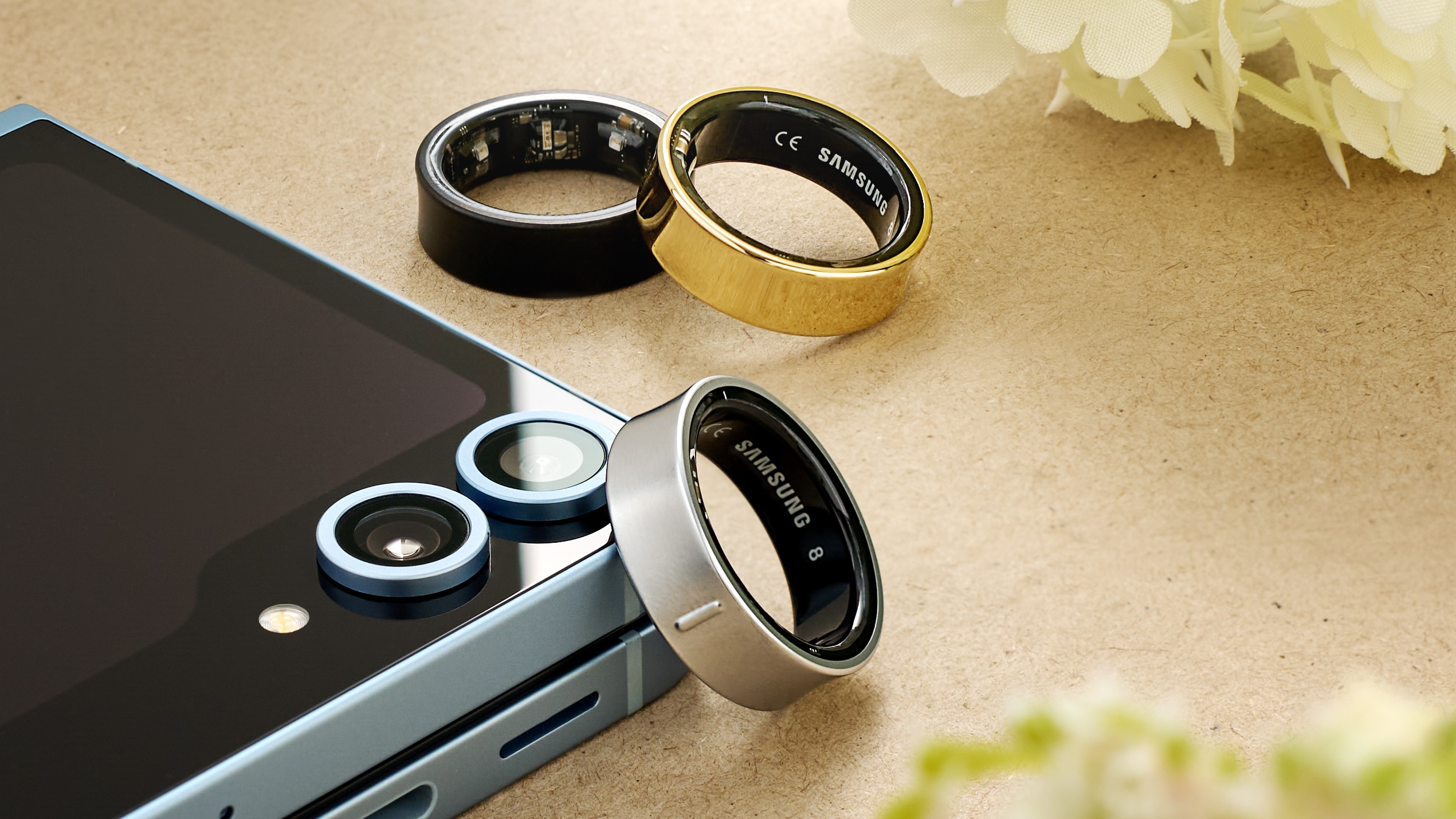
Samsung’s next-generation smart ring was widely expected to make its debut at an early-2026 Galaxy Unpacked event. But new signals out of South Korea suggest the Galaxy Ring 2 may not be ready—or strategically positioned—for that timeline. A combination of slower-than-hoped sales for the original Galaxy Ring and an intensifying patent battle with smart ring leader Oura is reportedly forcing Samsung to reconsider when, and how, it launches its follow-up.
According to a report from South Korea’s DealSite, Samsung began research and development for the Galaxy Ring 2 in June. Even so, people familiar with the matter believe the device remains in development and may not reach a launch-ready stage in time for an Unpacked event early next year. For a product category where polish, accuracy, and battery life can make or break consumer trust, that kind of schedule uncertainty can be a major red flag—especially when competition is moving fast.
Adding even more pressure is a legal fight that’s quickly becoming one of the most important conflicts in the wearable space. Oura, long viewed as the dominant force in smart rings, has been increasingly aggressive in defending its intellectual property. In 2024, Oura filed a patent infringement complaint with the U.S. International Trade Commission involving other smart ring players, which ultimately led at least one company to enter a licensing agreement.
Samsung appeared aware that patent risks could follow it into the smart ring market. Ahead of the original Galaxy Ring’s release, Samsung filed a legal action in California in May 2024 seeking confirmation that it was not infringing Oura’s patents. However, the case was dismissed because Oura had not yet asserted claims against Samsung at that time.
That calm didn’t last. In November 2025, Oura escalated the situation by filing patent infringement lawsuits against Samsung and several other companies tied to competing ring products. Samsung responded in kind, filing a countersuit on December 1 in the U.S. District Court for the Eastern District of Texas. In its filing, Samsung alleges Oura is infringing Samsung’s patents and is seeking monetary damages.
With legal stakes rising and the first Galaxy Ring reportedly falling short of strong sales momentum, Samsung now faces a complicated decision. Launching the Galaxy Ring 2 too soon could mean releasing a product that isn’t fully ready, at a moment when patent uncertainty could also cloud marketing, distribution, and long-term support. Delaying, however, risks giving rivals more time to capture mindshare in a category Samsung clearly wants to grow.
For now, the message is clear: the Galaxy Ring 2 may still be coming, but its release window is no longer a sure thing. Between product readiness, market demand, and a fast-heating courtroom showdown, Samsung’s next move in the smart ring race will likely be as much about strategy as it is about technology.