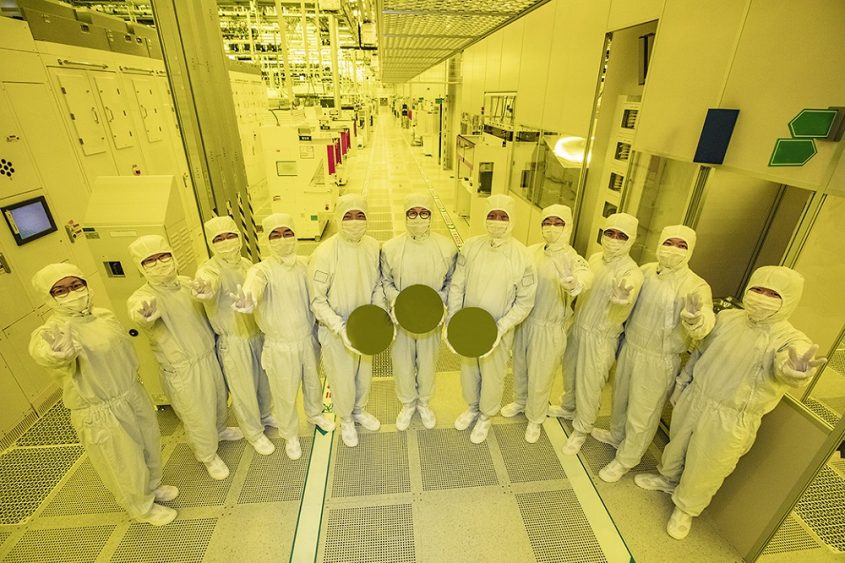
In recent news from South Korea, Samsung Foundry is reportedly considering a significant reduction in the capacity of its semiconductor manufacturing facilities. The company plans to temporarily shut down 30% of its production lines focused on older technology nodes, specifically 4 nm, 5 nm, and 7 nm. This figure may increase to 50% by the year’s end.
The current low demand is a major factor in this decision. Samsung’s 4 nm technology, for example, is currently used in a limited number of chips like the Exynos 2400 and select Qualcomm S-series chips. The limited success of previous Snapdragon models, such as the 888 and 8 Gen 1, which lagged behind competitors, led Qualcomm to shift its business to the Taiwanese titan TSMC for its more advanced chips. Companies like Nvidia have also made similar moves, leaving Samsung with a shrinking client base.
Despite these setbacks in the older node sectors, Samsung’s advancements in high-end technology nodes, specifically the 3 nm and up, remain unaffected. The future appears brighter here, with plans underway for a 2 nm node. Samsung has already secured a deal with Japan’s Preferred Networks to supply AI chips, and there are indications that Qualcomm might return to Samsung Foundry for the Snapdragon 8 Gen 5 designed for Galaxy devices. Additionally, Samsung is in the process of developing a new 2 nm Exynos chip, promising to enhance its presence in leading-edge semiconductor innovations.
While the temporary closure aims to manage costs, the equipment at these plants will remain intact, albeit in a powered-down state, indicating Samsung’s commitment to resuming full operations when demand eventually picks up. This strategic pause in production activities highlights the firm’s adaptive approach to changing market dynamics, while concurrently securing its foothold in the future of semiconductor manufacturing.


