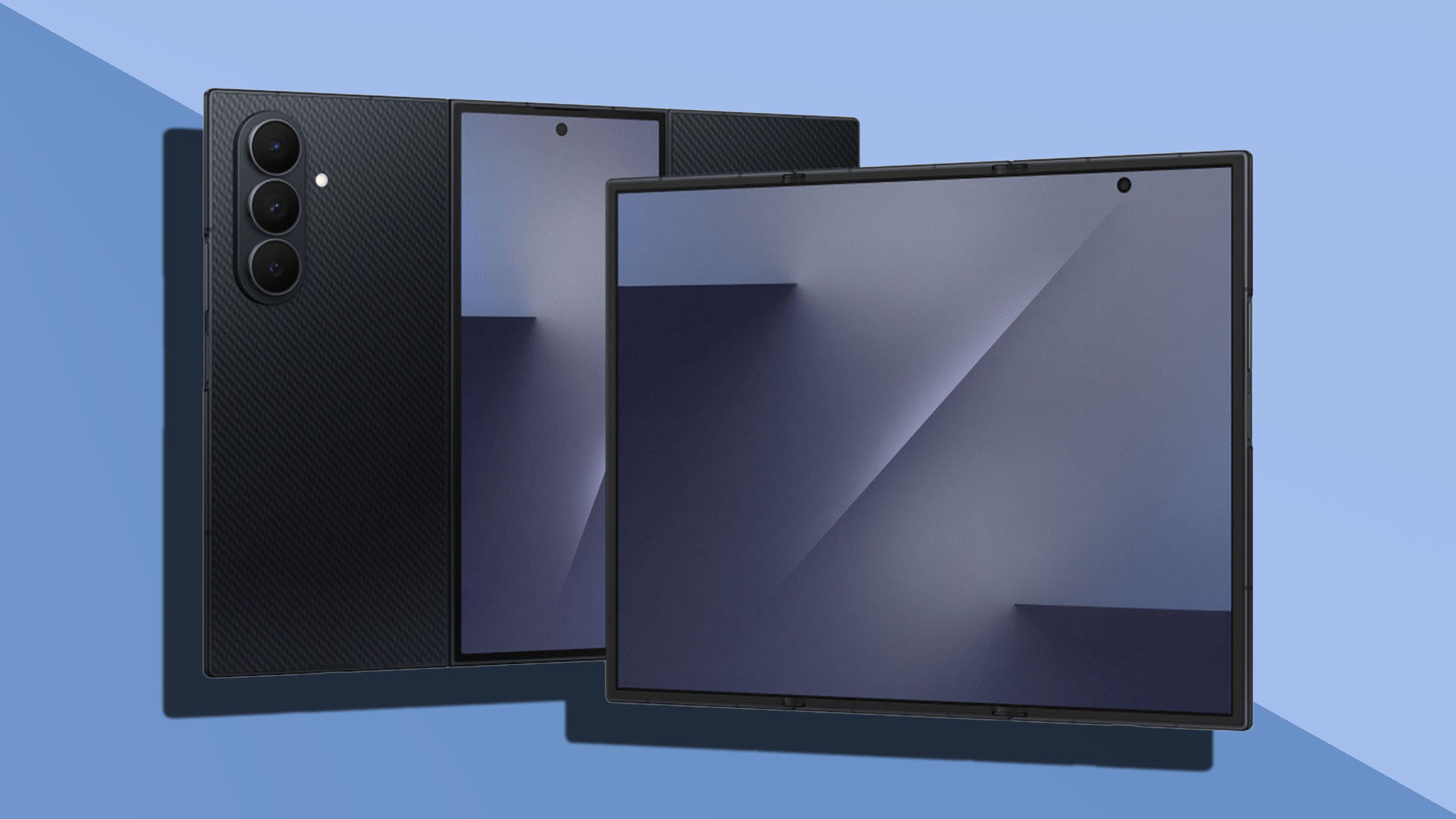
Samsung’s Galaxy Z TriFold is being positioned as the ultimate expression of foldable phone engineering, built on years of research that began with the first Galaxy Fold back in 2019. Since then, Samsung has steadily pushed the foldable category forward, experimenting with new hinge concepts, tougher display layers, and ambitious designs that try to expand what a smartphone can be.
But while the TriFold aims to be a showcase device, its internal hardware choice is already sparking debate. Instead of using the newest Snapdragon 8 Elite Gen 5 chipset, Samsung has reportedly chosen the previous-generation Snapdragon 8 Elite for Galaxy. A Samsung executive has offered an explanation, saying the company prioritized delivering a “perfect” and “highly finished” product over chasing the newest silicon.
According to the report, Kang Min-seok, Vice President and head of product planning in Samsung’s Mobile Experience division, said the main goal was polish and completion. In other words, Samsung is framing the chipset decision as part of a broader drive to ensure the triple-folding device feels refined and ready, rather than rushed to market with the newest components.
That reasoning might sound reasonable on the surface, especially for a first-generation product with a complicated triple-fold mechanism. However, it’s hard to ignore the financial side of the decision—particularly when the Galaxy Z TriFold is rumored to carry a sky-high price of around $2,447 and is expected to launch on December 12.
Several details suggest Samsung is being cautious with costs and risk. The device is said to come in only one color option, Crafted Black, and production may be extremely limited, with estimates pointing to around 100,000 units. Limited production usually means higher per-unit costs for parts, since suppliers don’t benefit as much from economies of scale. That’s especially important for a premium chipset order, where the newest flagship processor can become significantly more expensive when volumes are low.
Pricing estimates in the report suggest the Snapdragon 8 Elite Gen 5 could cost up to $280 per unit depending on volume and agreements, while the Snapdragon 8 Elite may be closer to $220. If Samsung is truly keeping TriFold production tight, those numbers add up quickly. At 100,000 units, the difference could translate into roughly $6 million in savings on chip costs alone by sticking with the older processor.
To be clear, the Snapdragon 8 Elite isn’t being portrayed as weak—it’s still a high-end chip with strong performance. The bigger frustration for many potential buyers is the value proposition. When a foldable phone is priced like a luxury device, people expect no compromises: top-tier build, top-tier camera experience, and top-tier performance powered by the latest flagship chipset available.
Samsung’s public justification focuses on product readiness and refinement, but the economics behind limited production and expensive next-gen silicon likely played a major role. For consumers, the real question is simple: if the Galaxy Z TriFold is meant to be Samsung’s foldable masterpiece, will buyers accept premium pricing without the newest premium processor inside?