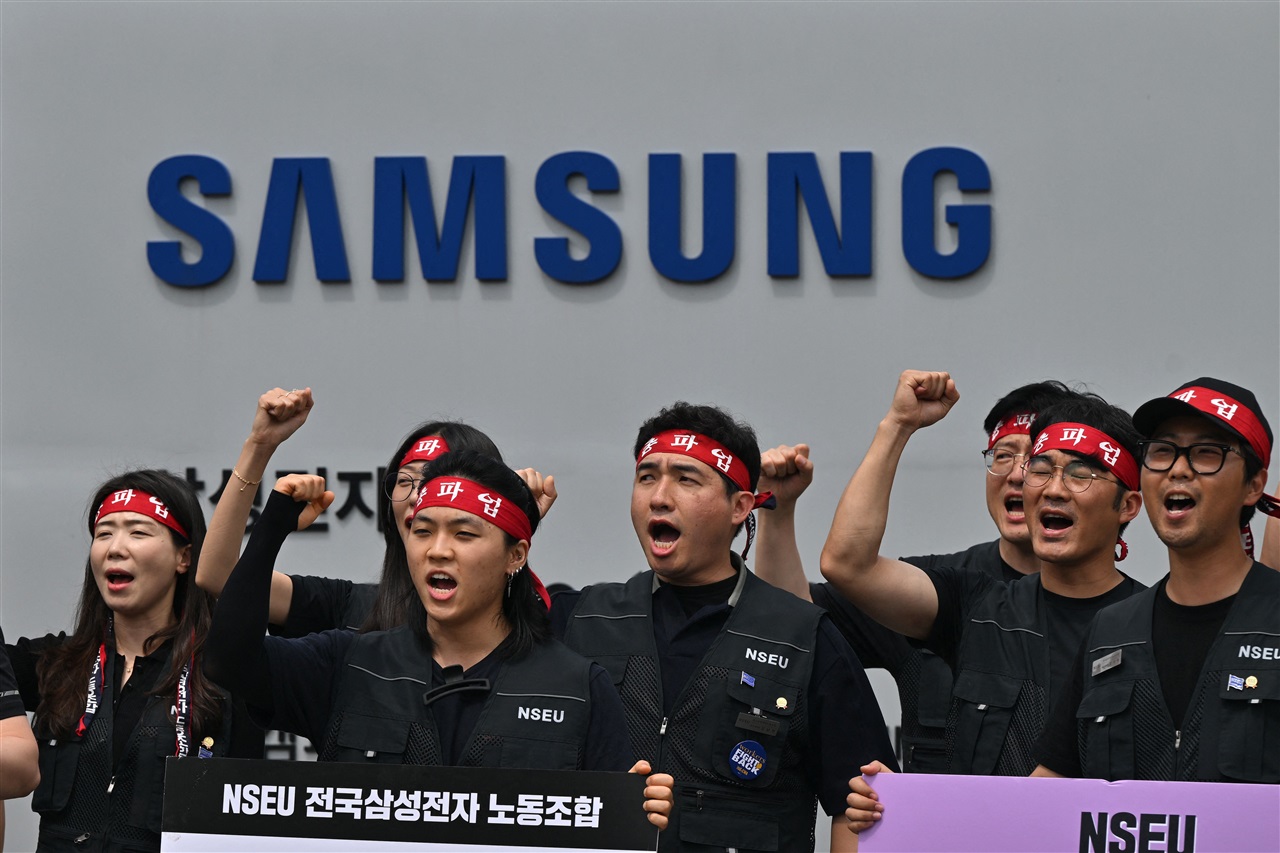
Samsung Electronics has narrowly avoided a major labor strike after reaching a tentative agreement with its union late on May 20, just under an hour before workers were expected to walk off the job.
The last-minute deal helped prevent a potentially serious disruption for one of the world’s most important technology manufacturers. Industry watchers had warned that a strike could have affected key parts of Samsung’s operations, raising concerns across the global electronics supply chain.
The agreement came after tense negotiations between Samsung Electronics and union representatives, who had been pushing for better working conditions, improved compensation, and stronger employee protections. While the deal is not yet final, it marks an important step toward easing immediate pressure and keeping production stable.
A strike at Samsung would have drawn significant attention because of the company’s central role in the global tech industry. Samsung is a major producer of smartphones, memory chips, displays, and other electronic components used by businesses and consumers around the world. Even a short disruption could have created delays for suppliers, manufacturers, and partners that rely on Samsung’s output.
By reaching a tentative labor agreement before the deadline, Samsung has bought valuable time to stabilize relations with its workforce. However, the situation also highlights deeper tensions within the company as employees continue to demand a greater voice in workplace decisions.
Labor issues have become increasingly important across the technology sector, especially as companies navigate intense competition, rising production costs, and shifting demand for consumer electronics and semiconductor products. Workers are seeking fairer pay and better treatment, while companies are trying to balance employee demands with long-term business goals.
For Samsung, avoiding the strike is a short-term victory, but the broader challenge remains. The company will need to maintain trust with its employees and ensure that the tentative agreement can lead to a lasting resolution. If the deal fails to satisfy union members, the risk of future labor action could return.
The timing is especially important as Samsung continues to compete in critical markets such as artificial intelligence chips, mobile devices, and advanced memory technology. Any instability in its workforce could affect production planning and weaken its position against global competitors.
For now, Samsung Electronics has managed to prevent an immediate crisis. The tentative labor deal keeps operations moving and reduces the threat of near-term supply-chain disruption. Still, the close call shows that employee relations will remain a key issue for the company as it works to protect both its business momentum and its reputation in the global technology market.