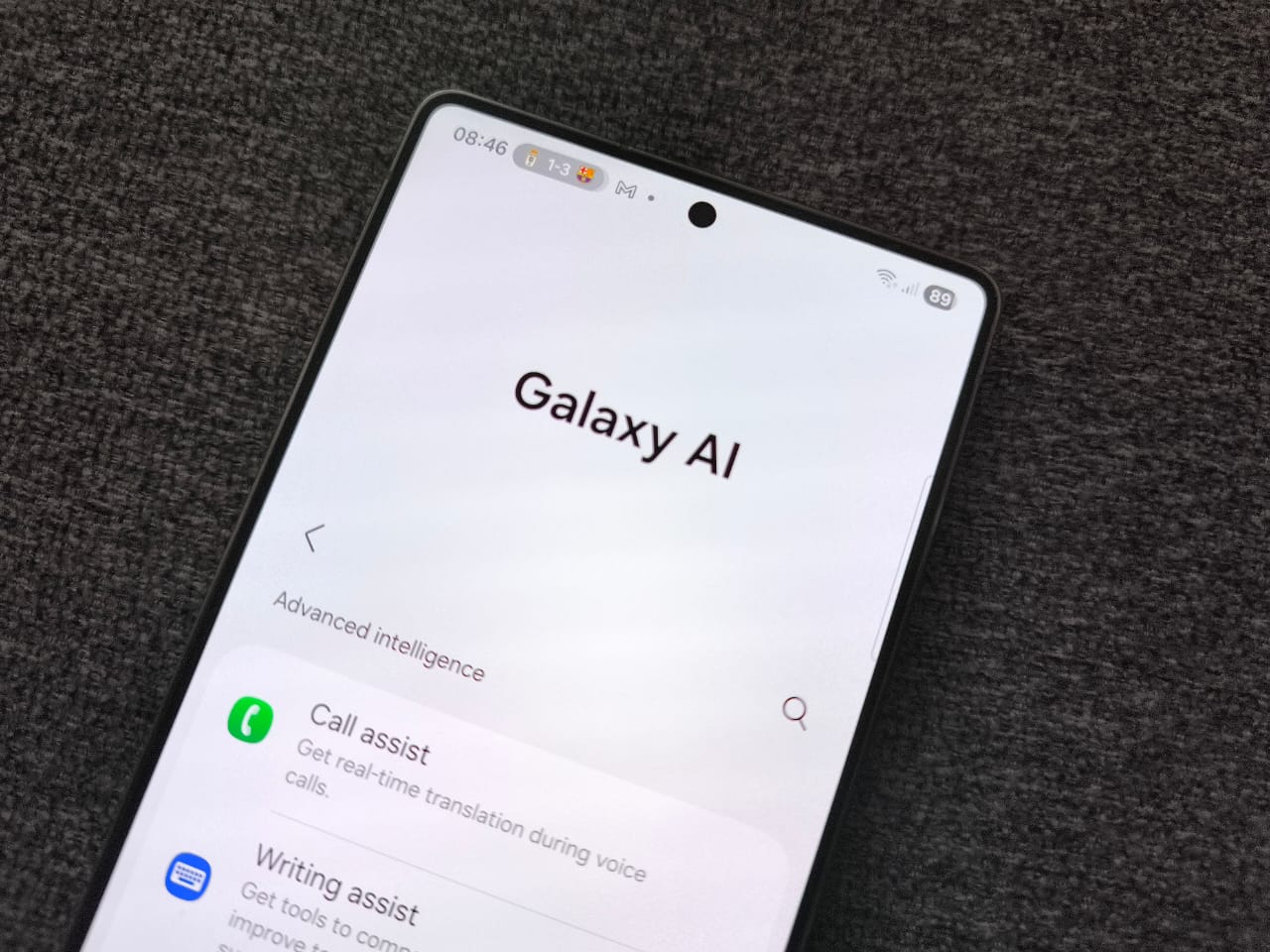
Samsung launches TRUEBench to measure AI productivity in real work
Most AI benchmarks look tidy on paper but don’t mirror what people actually do with these tools. TRUEBench, short for Trustworthy Real-world Usage Evaluation Benchmark, is Samsung’s answer to that gap. Instead of focusing on narrow, English-only Q&A tests, it evaluates how AI models perform on practical, everyday office tasks across many languages and workloads.
What TRUEBench measures
– Real tasks, not trivia: document summarization, multilingual translation, data analysis, and multi-step instructions that require the model to keep context.
– Broad and deep coverage: 2,485 test sets organized into 10 categories and 46 subcategories.
– Multilingual scope: assessments span 12 languages to reflect global teams.
– Variable input sizes: from brief prompts to more than 20,000 characters, simulating quick commands and long business reports.
How scoring works
The benchmark uses strict, all-or-nothing grading. A model must satisfy every requirement in a task—including implicit expectations a reasonable person would assume—to earn credit. It’s demanding, but it better reflects whether an output is truly useful.
To build the rules, human annotators drafted the conditions, AI systems flagged contradictions, and humans refined the results before locking them in. Once finalized, automated AI scoring enables evaluations to run at scale.
Transparent and comparable
TRUEBench isn’t a black box. The dataset, leaderboards, and output statistics are publicly available through Hugging Face, and you can compare up to five models side by side. That openness lets developers, researchers, and decision-makers dig into results rather than rely on marketing claims.
What to keep in mind
No benchmark is perfect. Rule-setting can introduce bias, and the all-or-nothing approach means partially helpful answers still count as failures. While language coverage is broader than many tests, performance will vary—especially in languages with less training data. The scenarios emphasize general business productivity, so highly specialized domains like law, medicine, or scientific research are not the primary focus.
Why it matters
If you’re choosing AI tools for a team, building models, or evaluating enterprise readiness, TRUEBench offers a way to judge real-world productivity, not just exam-style accuracy. As Paul (Kyungwhoon) Cheun, CTO of the DX Division at Samsung Electronics and Head of Samsung Research, put it: Samsung Research brings deep expertise and a competitive edge through its real-world AI experience. We expect TRUEBench to establish evaluation standards for productivity and solidify Samsung’s technological leadership.
Bottom line: TRUEBench pushes AI evaluation beyond lab demos toward the messy, multilingual, context-rich work people do every day—making it a meaningful reference point for anyone serious about AI productivity.