Samsung Looks to China’s Smartphone Market as DRAM Shortage Shakes Up the Industry
Samsung may be preparing for another push into China’s smartphone market, and this time, the company could be looking at the ongoing DRAM shortage as a rare opening. With several Chinese smartphone brands reportedly slowing shipments due to rising memory costs, Samsung appears to see a chance to strengthen its position in a market where it has struggled for years.
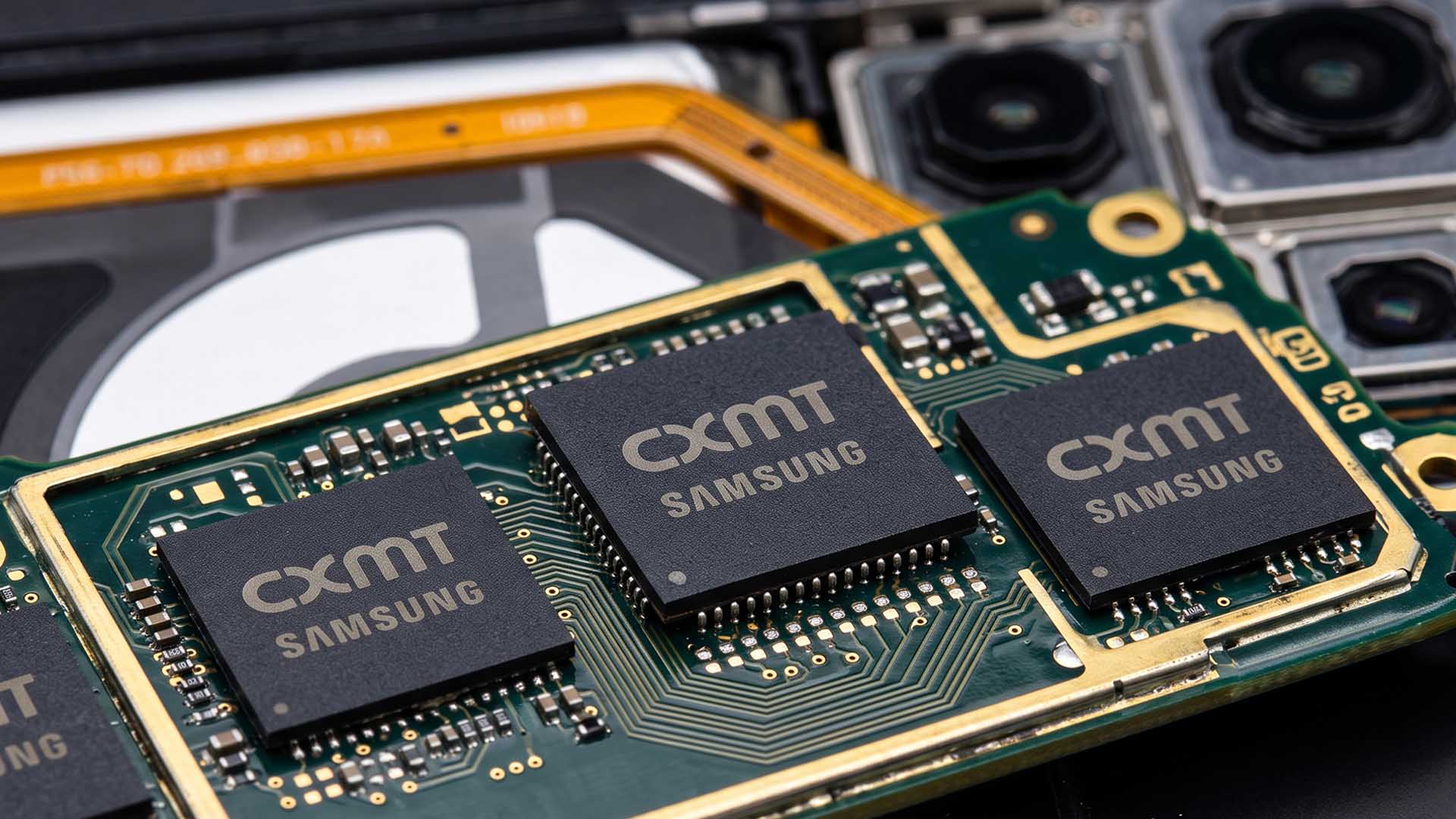
A recent industry report claims Samsung is considering the use of DRAM chips from China’s CXMT for some of its mid-range and entry-level smartphones. The idea is simple: if local competitors are limiting production because of expensive memory components, Samsung could use alternative suppliers to keep devices moving and compete more aggressively in China.
However, calling CXMT’s DRAM “cheap” may be misleading.
Samsung’s market share in China remains extremely small. According to market data cited in the report, Samsung holds only around 0.1 percent of the Chinese smartphone market. That puts the company far behind major players such as Huawei and Apple, both of which have stronger brand recognition and a much larger customer base in the region.
China is the world’s largest smartphone market by volume, so even a small improvement could be meaningful for Samsung. The company has the global scale, manufacturing experience, and product range to compete, especially in affordable smartphone segments. But gaining traction in China is not just about launching more phones. Pricing, supply chain stability, brand perception, and local competition all play a major role.
The biggest question is whether CXMT can actually give Samsung a cost advantage.
While Chinese suppliers are often associated with lower pricing, DRAM is a different story right now. Memory chips are in high demand, especially because artificial intelligence companies are consuming massive volumes of supply. That has changed the balance of power. Memory manufacturers are no longer under the same pressure to offer discounts, even to major smartphone brands.
CXMT, in particular, is reportedly charging more than Samsung for some DDR5 memory products. If Samsung only needs a limited amount of DRAM for phones sold in China, it may not have enough volume to negotiate a favorable price. Smaller orders can often mean higher costs, not savings.
This is also why Apple has reportedly been looking at CXMT not necessarily to cut costs, but to reduce supply chain risk. With AI-related demand absorbing much of the available memory supply, smartphone makers want more supplier options to avoid production delays. In today’s memory market, securing supply may be just as important as getting the lowest price.
Huawei’s situation further highlights the challenge. Even as the leading smartphone brand in China, Huawei has reportedly faced difficulty getting favorable terms from CXMT. If Huawei, with its strong domestic position and major shipment volume, cannot easily secure cheaper DRAM, Samsung may have an even harder time doing so.
CXMT’s growing influence gives it more pricing power. The company is benefiting from strong demand across multiple industries, and major technology customers are willing to spend heavily to lock in memory supply. A reported multibillion-dollar agreement with Tencent shows just how valuable CXMT’s production capacity has become.
That makes the idea of Samsung receiving deeply discounted DRAM less convincing. Samsung is financially powerful, but in the current market, cash alone may not be enough to force lower component prices. AI customers are competing aggressively for memory supply, and that demand is reshaping the entire DRAM market.
Still, Samsung’s interest in CXMT could make strategic sense.
Even if the chips are not cheap, using a Chinese memory supplier could help Samsung localize part of its supply chain for devices aimed at China. It could also reduce dependency on its own memory division or other external suppliers at a time when global DRAM availability is tight.
For Samsung, the opportunity is not simply about lower production costs. It is about timing. Chinese smartphone brands are dealing with higher component prices, and some may become more cautious with shipments. If Samsung can maintain supply and offer competitive mid-range and budget smartphones, it may have a chance to regain visibility among Chinese consumers.
However, expectations should remain realistic. Samsung’s current position in China is extremely weak, and the market is dominated by powerful local brands with loyal customers, strong retail networks, and deep knowledge of domestic buying trends. A new DRAM supplier alone will not solve Samsung’s long-running challenges in the country.
The more likely scenario is that Samsung is exploring CXMT as part of a broader supply chain strategy rather than a simple cost-cutting move. In a memory market shaped by shortages, AI demand, and rising prices, flexibility matters. Having more sourcing options could help Samsung respond faster if DRAM supply becomes even tighter.
Samsung may see an opening in China, but CXMT is not a guaranteed shortcut to cheaper smartphones. The company’s success will depend on whether it can combine reliable supply, attractive pricing, localized products, and stronger marketing in one of the toughest smartphone markets in the world.