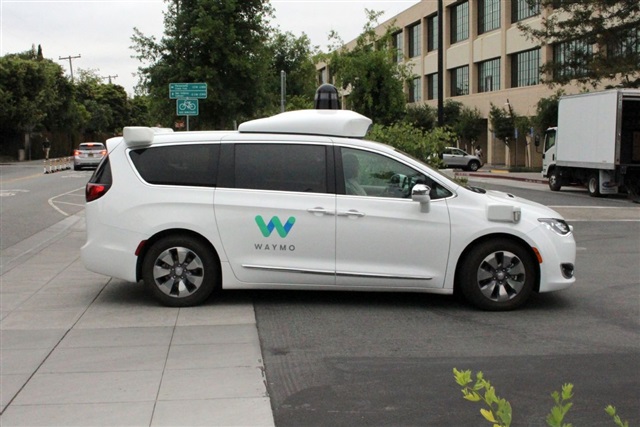
Cars are quickly turning into “smartphones on wheels,” and the shift is accelerating as autonomous driving and advanced driver-assistance systems become more common. With every new camera, radar sensor, software update, and AI-powered feature, vehicles need to process and store far more data than ever before. That’s why demand for automotive memory is surging—and why major chipmakers like Samsung Electronics and SK Hynix are increasingly focused on the automotive sector as a key growth engine.
Modern vehicles now rely on high-performance computing platforms to handle real-time tasks such as lane detection, collision avoidance, driver monitoring, navigation, and in-car infotainment. These workloads require fast, reliable memory to keep systems responsive and safe, especially under harsh conditions like extreme heat, cold, and constant vibration. Unlike typical consumer devices, automotive components also need to meet strict quality and long-term supply standards, since vehicles stay on the road for many years and manufacturers need guaranteed parts availability.
This changing reality is pushing automotive memory into the spotlight. As cars adopt more connected services and software-defined features, they require larger capacity memory for data logging, over-the-air updates, and AI processing. Autonomous driving development further intensifies memory requirements, because sensor fusion and machine learning models generate enormous amounts of data that must be moved and stored efficiently.
Samsung Electronics and SK Hynix are positioning themselves to capture this momentum. The automotive segment offers attractive long-term demand, driven by electrification, connectivity, and intelligent driving features becoming standard across more vehicle models. For memory makers, it also represents a strategic opportunity to diversify beyond the traditional peaks and dips of the smartphone and PC markets.
As vehicle architectures evolve toward centralized computing and more sophisticated onboard systems, automotive memory is expected to play an even bigger role in performance and reliability. In the years ahead, the companies that can deliver stable supply, high durability, and strong performance in automotive-grade memory will be well placed to benefit from the industry’s rapid transformation.