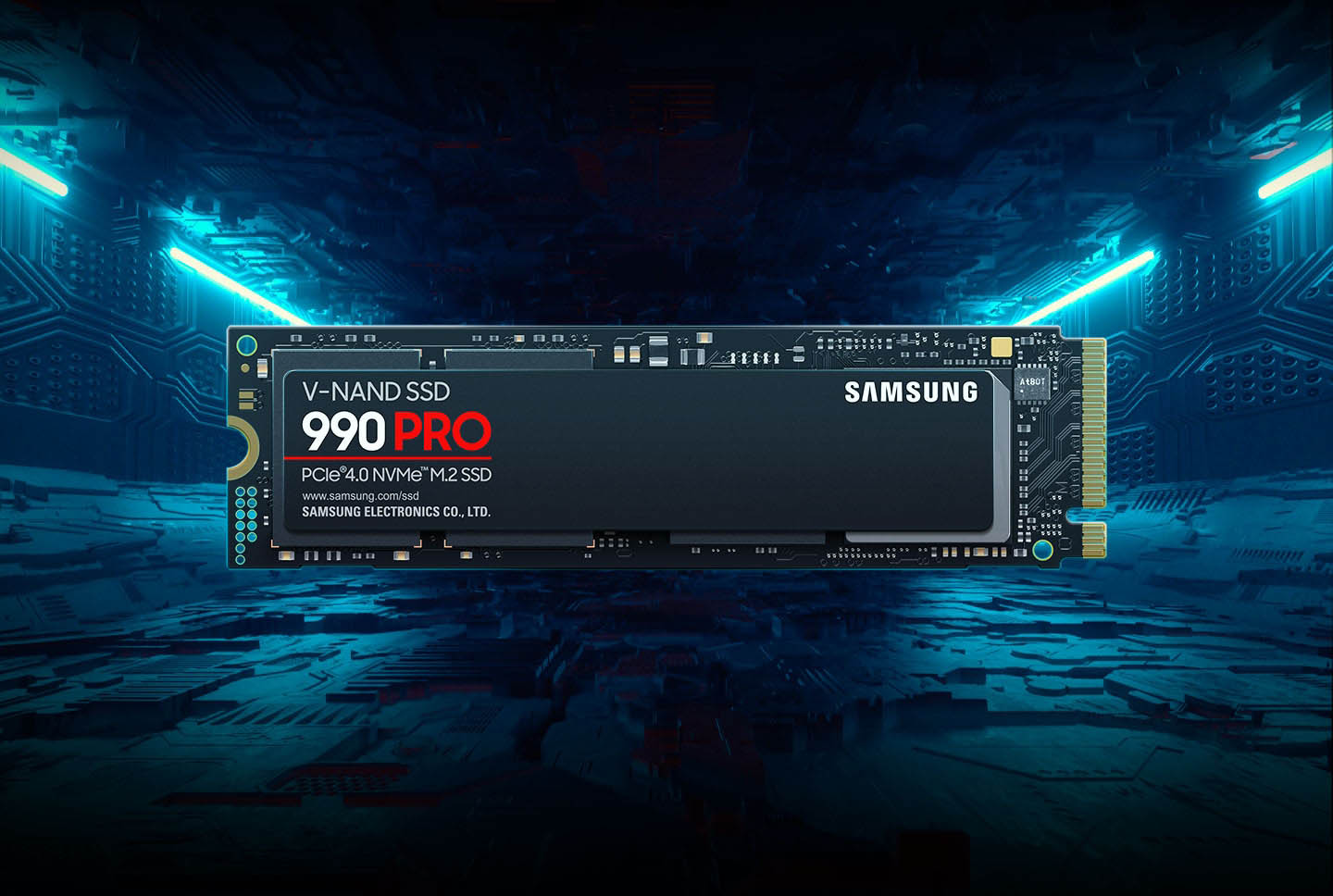
Buying an SSD for a new PC build is getting tougher yet again, as two of the biggest names in storage are reportedly pushing through another round of price increases. New supply-chain reporting indicates Samsung and Kingston have issued official notices covering their entire SSD lineups, with price adjustments expected to be at least 10%.
That’s bad news at a time when SSD prices are already unusually high. What used to be a no-brainer upgrade for a budget gaming PC has become one of the most expensive parts of a build. In many markets, 1TB high-end drives that sold for under $100 last year are now sitting at three to four times that amount, and premium capacities like 2TB and 4TB are creeping into “major component” territory—pricing that can feel closer to a graphics card purchase than a storage upgrade.
If the projected jump lands as expected, popular flagship models could climb even further from today’s already-inflated pricing. For example, top-tier 1TB PCIe 4.0 drives that currently hover well above the $300 mark could push higher still after the increase takes effect, adding even more pressure for shoppers trying to stretch a build budget.
What’s making this sting is that it’s not the first increase recently. Reports suggest this is the second quiet hike in the same month for certain SSD segments, following earlier rises that hit higher-end M.2 drives particularly hard. In some regions, ultra-high-capacity models have reached extreme price tags, reinforcing the idea that broader supply and production factors—not just normal retail demand—are behind the surge.
Looking ahead, expectations are not especially comforting. Industry chatter suggests additional increases could arrive in the weeks or months to come, which matters because storage is one category many gamers don’t like to compromise on. While some builders may accept less RAM as a short-term tradeoff, dropping to sub-1TB storage can be painful with today’s game install sizes and frequent updates.
The broader market shift is also playing a role. Ongoing demand from AI and data-center infrastructure continues to reshape how NAND flash supply is allocated, and consumer SSD availability and pricing can get squeezed when manufacturers prioritize higher-volume, higher-margin enterprise needs. These same pressures have also contributed to rising prices across OEM systems, with laptop and prebuilt costs moving up as component pricing climbs.
For anyone planning a PC upgrade, this trend makes timing harder than ever. If you’ve been waiting for SSD prices to normalize, the latest signals suggest the opposite may happen first—especially for well-known, high-performance models from major brands.