ChatGPT users might want to reconsider using the AI app for therapy or emotional support. OpenAI CEO Sam Altman highlighted a key issue: the lack of privacy protections in these sensitive conversations. Unlike a human therapist, there’s no doctor-patient confidentiality with AI.
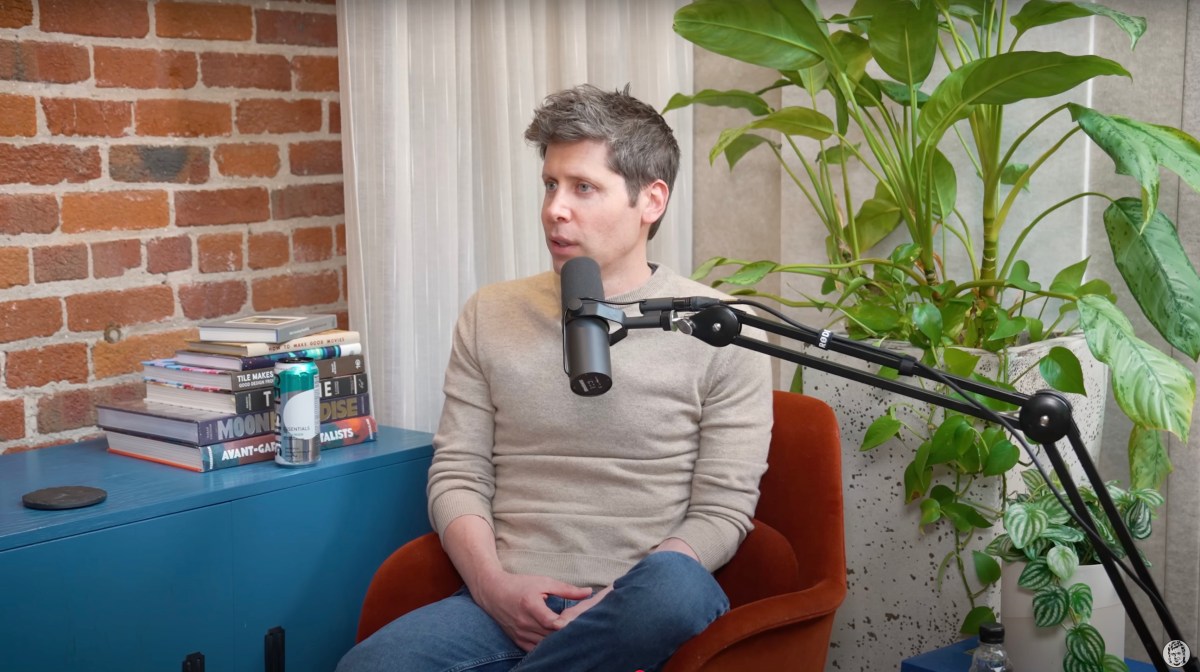
Altman shared these thoughts on Theo Von’s podcast, “This Past Weekend.” He pointed out that the absence of a legal framework means there’s no confidentiality for users’ interactions with AI. “People share their deepest issues with ChatGPT,” Altman noted. “Young people especially use it as a therapist or life coach, but unlike real professionals, there’s no legal privilege in these interactions.”
This could pose a privacy risk if conversations are required in a legal suit, Altman explained. Currently, OpenAI might be compelled to produce these conversations. “I believe we need to establish similar privacy standards for AI interactions as we have with human professionals,” Altman argued.
He acknowledged that privacy concerns may deter users. Beyond gathering extensive data during AI training, OpenAI is now facing pressure to provide chat data for legal reasons. In an ongoing legal issue with The New York Times, OpenAI is contesting a court order to save chats from millions of users, except those from enterprise customers.
OpenAI called this court order an “overreach.” If upheld, it could lead to more demands for legal data discovery. Tech companies are often subpoenaed for user data in criminal cases, but there’s growing concern over digital privacy, especially as laws begin to restrict some previously protected freedoms.
For example, after the Supreme Court overturned Roe v. Wade, users switched to more private health apps to protect their data.
Altman also queried Theo Von on his use of ChatGPT, given Von’s own privacy hesitations. “It’s sensible to seek clear privacy guidelines before fully engaging with ChatGPT for these significant interactions,” Altman suggested.