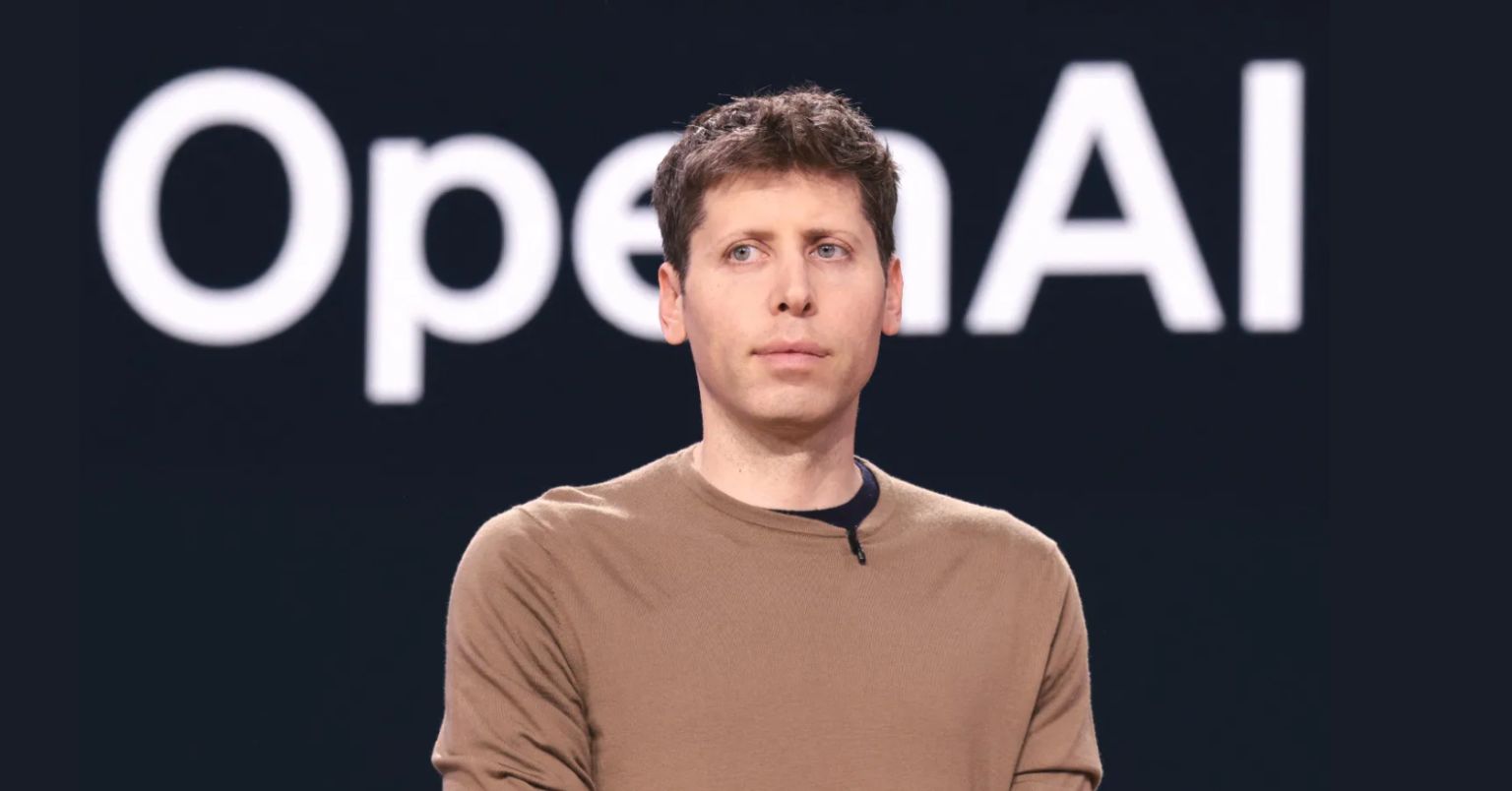
Using ChatGPT for personal advice or drafting emails might seem harmless, but did you know these conversations aren’t legally protected? OpenAI’s CEO, Sam Altman, recently highlighted this issue, revealing that your interactions could be subpoenaed in legal cases.
During a podcast, Altman explained the gray area surrounding the legal status of AI chats. Many people, especially younger users, turn to AI for guidance on personal matters, treating it like a “therapist” or “life coach.” However, unlike conversations with professionals such as doctors or lawyers, these AI discussions are not shielded by confidentiality laws.
Altman emphasized the potential risks: if your sensitive information is shared with ChatGPT and a lawsuit arises, OpenAI might have to disclose those conversations. “It’s a huge problem,” Altman pointed out, stressing that what you consider private could be legally accessed.
The rapid integration of AI for things like mental health and financial advice makes this an urgent matter. Altman has spoken with policymakers who recognize the need to address this legal loophole, but no concrete laws have been enacted yet.
This uncertainty already influences user behavior. Podcast host Theo Von mentioned his reluctance to use ChatGPT extensively due to privacy concerns. Altman agreed, suggesting it’s wise to seek clarity on privacy before fully embracing AI tools.
Altman also warned of potential government overreach. As AI technology grows, there could be increased pressure from governments to access AI data for monitoring activities like fraud or terrorism. While acknowledging the importance of security, Altman expressed concern over excessive surveillance, advocating for a balance between safety and user rights.
Until legal frameworks evolve, it’s crucial to be cautious about sharing personal information with AI, as current protections are lacking.