NVIDIA RTX Spark CPU Tweaks Could Help It Push Beyond Its Dimensity 9400 Roots
NVIDIA’s RTX Spark has attracted plenty of attention, but not all of it has been positive. One of the biggest talking points is its CPU setup, which uses cores associated with MediaTek’s Dimensity 9400, a mobile chipset that will be two generations old by October. On paper, that sounds like a questionable choice for a modern ARM-based PC platform designed to handle demanding workloads.
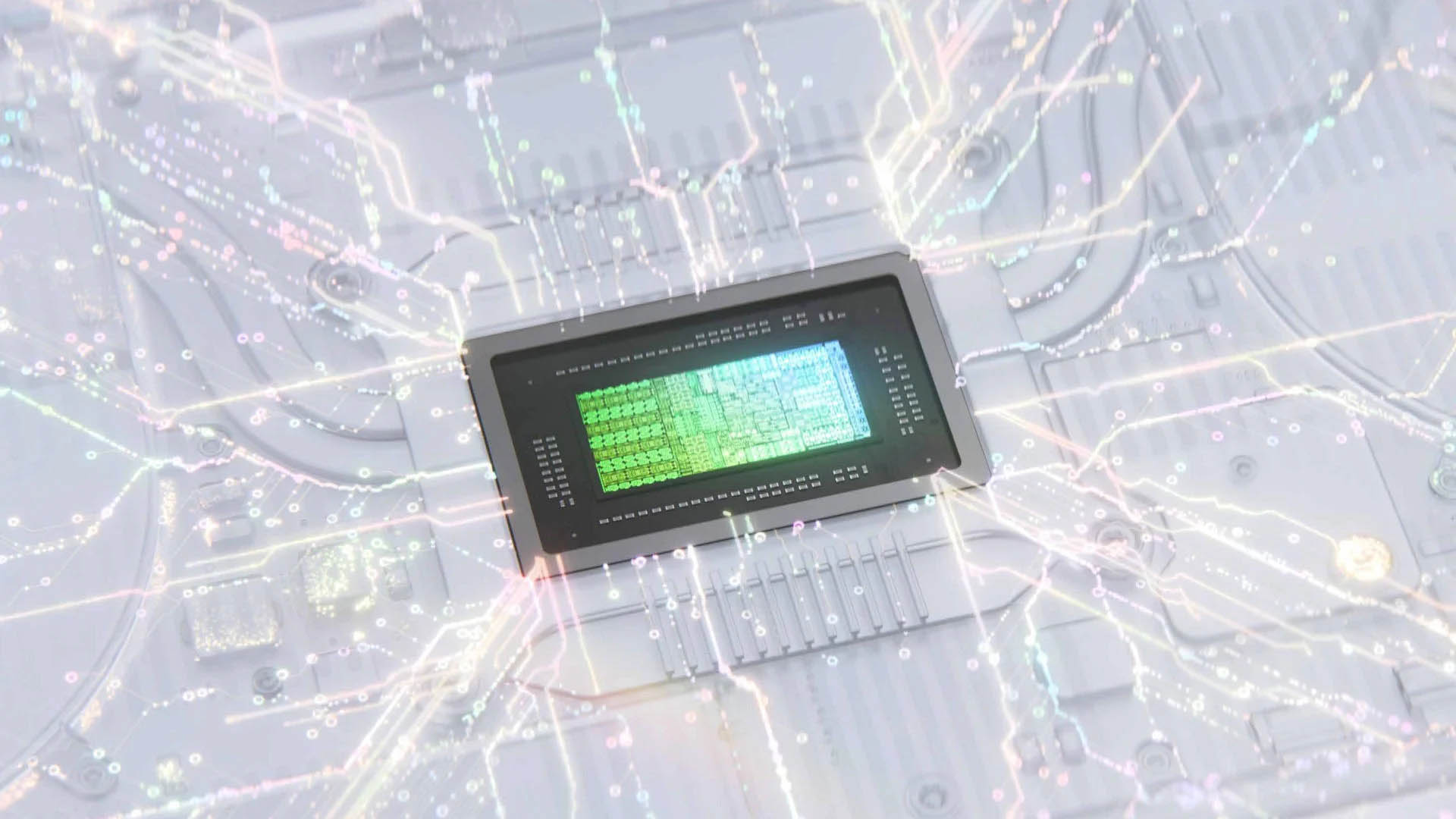
However, a closer look suggests NVIDIA did not simply reuse the same CPU design without changes. New die-shot analysis indicates that the RTX Spark’s Cortex-X925 cores have been modified in ways that could make them better suited for laptops and PC-class performance demands.
The RTX Spark reportedly uses a 20-core CPU configuration, but the real story is not just the core count. According to analysis from Geekerwan, the Cortex-X925 cores inside NVIDIA’s chip are not identical to those found in the Dimensity 9400. In fact, they appear to borrow design elements from both the Dimensity 9400 and the newer Dimensity 9500.
That matters because PC workloads are very different from typical smartphone workloads. A mobile chip is usually designed around short bursts of high performance, followed by quick power reductions to control heat and battery drain. A laptop chip, especially one meant to compete in high-performance ARM computing, needs to hold higher clock speeds for longer periods while managing heavier multi-core tasks.
The most interesting discovery is that the RTX Spark’s Cortex-X925 cores appear to use a power rail design similar to the Dimensity 9500’s C1-Ultra. This change may help the chip maintain stronger and more stable CPU frequencies under sustained load. In simpler terms, NVIDIA seems to have adjusted the CPU design so it can keep running faster for longer without immediately running into thermal or power limitations.
This could explain why NVIDIA was comfortable using a CPU foundation linked to the Dimensity 9400. While the original core design may not match the newest flagship mobile processors in raw architecture, targeted tuning can make a major difference when the chip is placed in a different environment. Laptops have more room for cooling, larger batteries, and higher power limits than smartphones, giving the silicon more freedom to perform.
The analysis also notes that the RTX Spark’s CPU cores are physically smaller than the ones seen in MediaTek’s previous-generation silicon. That suggests NVIDIA and MediaTek may have made careful layout and power delivery changes rather than simply transferring an existing mobile CPU block into a PC-focused chip.
A more efficient power rail design can be especially important for multi-core performance. When many CPU cores are active at once, stable power delivery becomes critical. If the power system cannot keep up, clock speeds drop, performance becomes inconsistent, and thermal throttling can reduce the chip’s real-world advantage. By adopting elements from the Dimensity 9500’s design approach, the RTX Spark may be better prepared for tasks such as heavy multitasking, productivity apps, development workloads, AI-assisted tools, and creative software.
Thermals are another key part of the story. Devices such as Microsoft’s Surface Laptop Ultra, which is said to support a 110W TDP configuration, could provide enough cooling headroom for the RTX Spark to stretch its legs. With that level of power and cooling available, the modified Cortex-X925 cores may be able to sustain higher operating frequencies more comfortably than they would in a smartphone.
Still, there are unanswered questions. It is not yet clear whether laptop manufacturers will be allowed to push these Cortex-X925 cores to higher clock speeds, or whether NVIDIA will keep the CPU configuration tightly controlled across devices. Real benchmark results will be needed to show how much these design changes actually improve performance in shipping laptops.
What makes this development interesting is the broader implication for ARM-based PCs. NVIDIA’s RTX Spark shows that a familiar CPU core can be adjusted for a specific platform and workload. Instead of treating mobile and PC silicon as completely separate worlds, chipmakers can adapt existing ARM designs with changes to power delivery, scheduling, thermals, and frequency behavior.
The collaboration between NVIDIA and MediaTek also appears to be growing more important. If RTX Spark is the first major step, future versions could become even more competitive as NVIDIA prepares more advanced ARM-based laptop chips in the coming years. Reports suggest that newer RTX Spark designs may arrive around 2027, potentially bringing more refined CPU cores, stronger graphics performance, and better efficiency.
For now, the RTX Spark remains a fascinating example of how chip design is becoming more flexible. While early criticism focused on its connection to the Dimensity 9400, the latest analysis suggests there is more going on beneath the surface. NVIDIA may have taken an older CPU foundation and reshaped it with newer design techniques to better fit the performance needs of premium laptops.
If the final devices deliver strong sustained performance, the RTX Spark could become an important player in the growing ARM laptop market. The real test will come when benchmarks and real-world reviews show whether NVIDIA’s CPU tweaks are enough to turn a debated design choice into a genuine advantage.


