New Open-Source Tool Helps Protect RTX 5090 GPUs From 12VHPWR Connector Meltdown Risks
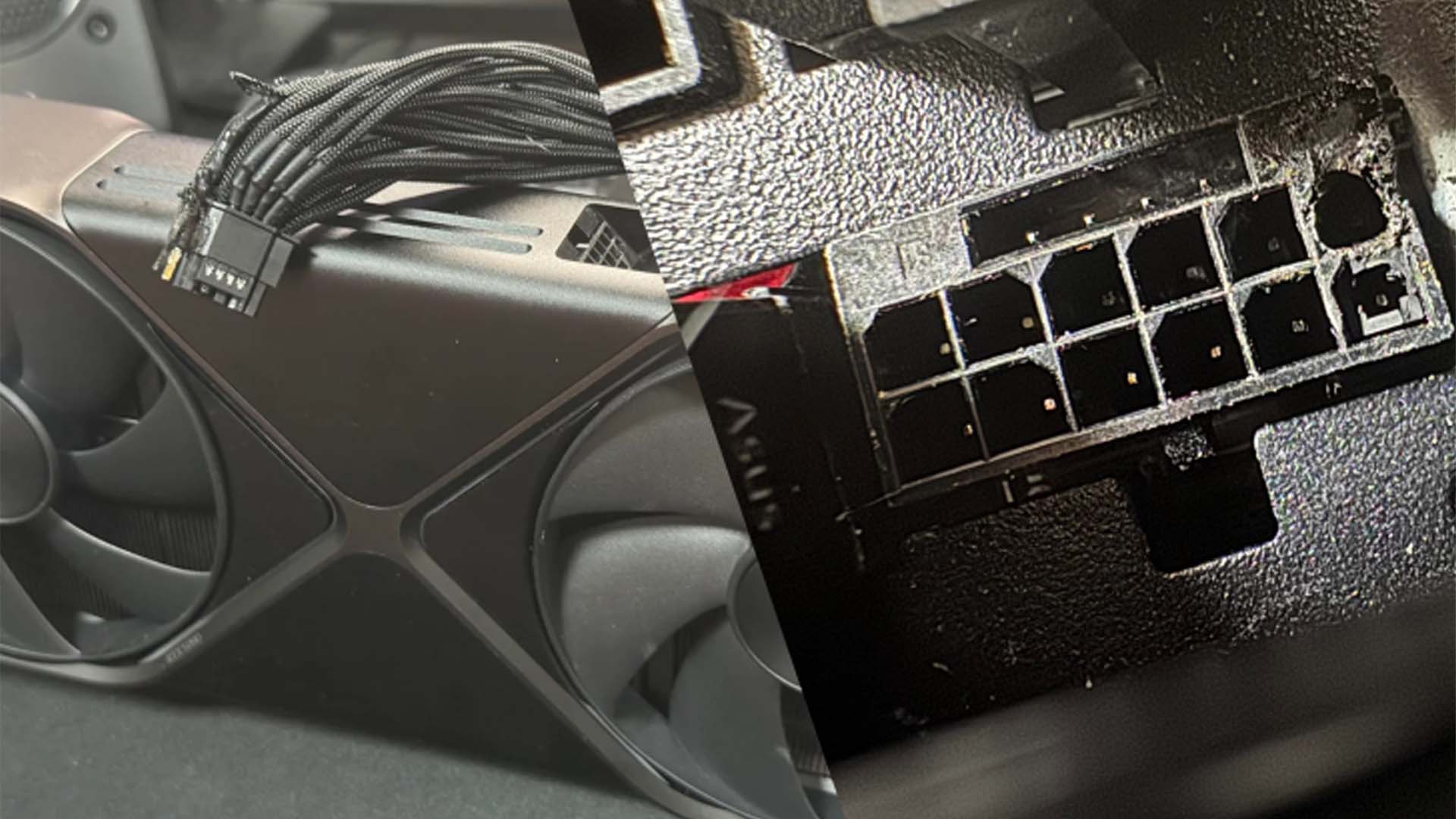
The GeForce RTX 5090 is built for extreme performance, but its massive power demands have also raised concerns among PC gamers and hardware enthusiasts. When pushed to its limits, the flagship GPU can draw a tremendous amount of power, and that has kept attention on the 12VHPWR power connector, which has previously been associated with overheating and melting issues under certain conditions.
Now, one RTX 5090 owner has created an open-source safety tool designed to reduce the risk of damage by automatically shutting down the PC when it detects unsafe power draw from the graphics card.
The tool was developed by a Reddit user known as “CoolerThanNos” and is currently designed for ASUS Astral versions of the RTX 5080 and RTX 5090. These specific models are supported because ASUS equipped them with individual current sensors for each power pin, allowing software to monitor how much current each pin is pulling in real time.
That detail is important because the problem is not always just total GPU power consumption. A single pin drawing too much current for too long can create a dangerous situation, especially if the user is gaming and not actively watching power monitoring software in the background.
The new program runs quietly in the system tray and checks all six power pins twice per second. If any pin remains above 9.5A for 15 straight seconds, the software forces the PC to shut down. The goal is to stop the system before excessive current has enough time to cause serious connector or cable damage.
For users who want more control, both the current limit and the shutdown timer can be adjusted. However, the developer says the default values were chosen carefully to avoid unnecessary shutdowns. Short power spikes and normal load swings should not trigger the tool, which is important for high-end GPUs that often experience brief bursts of power usage during demanding games or workloads.
ASUS reportedly uses a warning threshold of 9.2A, so the default 9.5A shutdown limit is intended to act as a practical safeguard rather than an overly aggressive panic switch.
The software is also lightweight. According to the creator, it is around 35MB in size and uses only about 1 percent of a single CPU core, meaning it should not interfere with gaming performance or background tasks. For a tool designed to protect one of the most expensive graphics cards on the market, its system impact appears minimal.
The developer also explained that the software was created with the help of AI-assisted coding. Afterward, the code was reviewed and compared against two independent open-source implementations before being used on the creator’s own RTX 5090 gaming system. Since it is open-source, advanced users can inspect the code themselves before deciding whether to install it.
This tool does not physically fix the 12VHPWR connector issue, nor does it replace proper cable installation, quality power supplies, or careful system building. Users should still make sure the power cable is fully seated, avoid sharp bends near the connector, and use reliable components. However, for owners of supported ASUS Astral RTX 5080 and RTX 5090 graphics cards, the program adds another layer of protection.
That extra layer could matter a lot. The RTX 5090 is an expensive piece of hardware, with some listings reaching several thousand dollars. For anyone who has invested heavily in a high-end gaming PC, an automatic shutdown tool may be a small price to pay in convenience if it helps prevent a far more costly failure.
For now, compatibility appears limited to ASUS Astral RTX 5080 and RTX 5090 cards due to their per-pin current monitoring capability. Owners of other models may need to rely on undervolting, careful cable management, power monitoring, or manufacturer-provided safeguards.
Still, this open-source RTX 5090 safety tool highlights a growing trend among enthusiasts: as graphics cards become faster, hotter, and more power-hungry, users are looking for smarter ways to protect their hardware before something goes wrong.