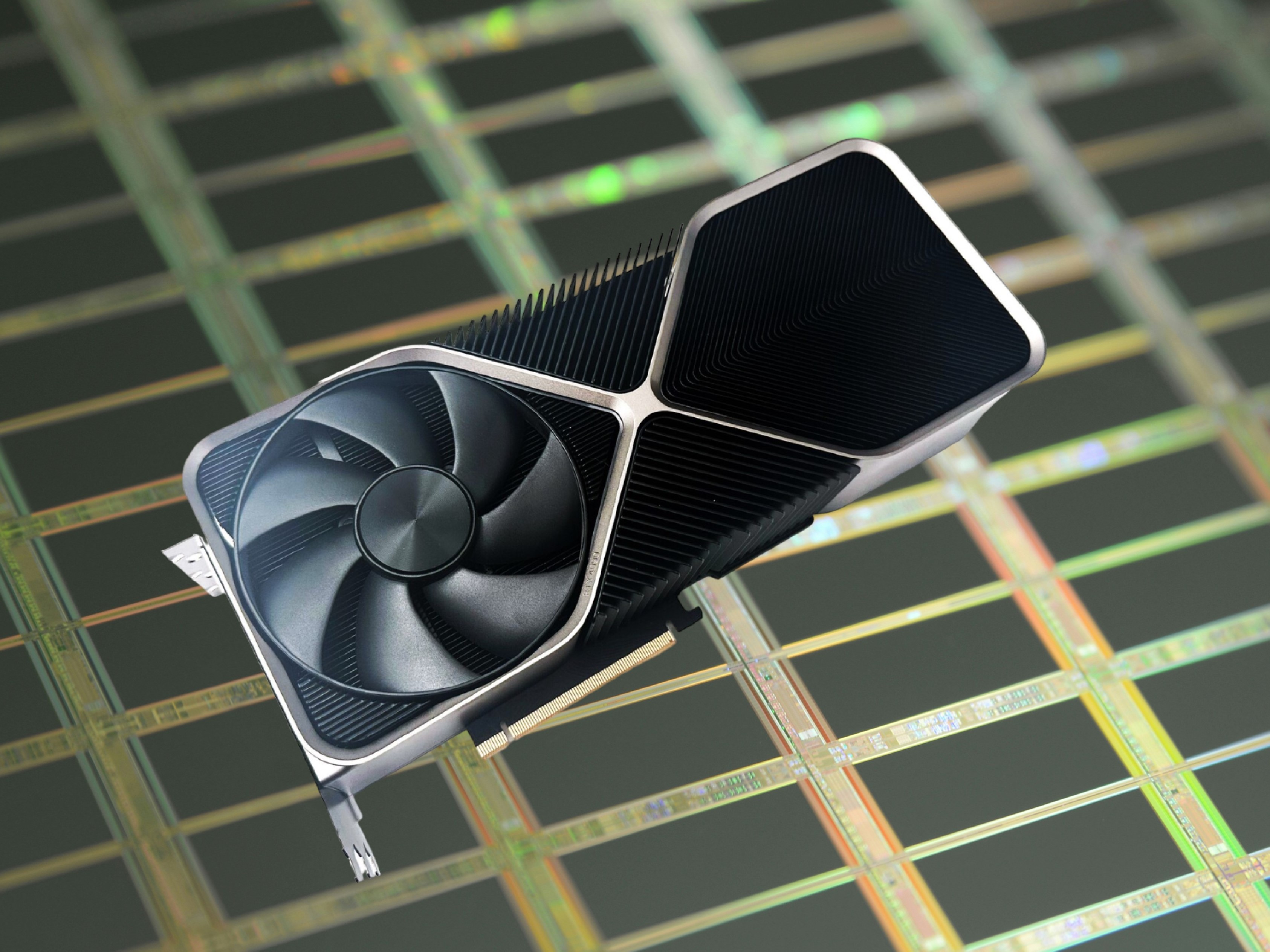
As the much-anticipated launch of the RTX 50 “Blackwell” GPUs approaches, the tech world is abuzz with leaks and speculations about Nvidia’s next-generation graphics cards. Recent insights have put the spotlight on the massive die size of the upcoming RTX 5090, hinting at some significant advancements and changes.
The RTX 5090 is rumored to feature the GB202 GPU, with a staggering die size of 744 mm², marking a 22.2% increase from the 609 mm² of the RTX 4090’s AD102 chip. This jump in size promises not just enhanced performance but also raises expectations for a substantial increase in core count. If leaks are to be believed, the RTX 5090 may boast an impressive 21,760 CUDA cores, a 33% boost compared to the RTX 4090’s 16,384 cores.
However, this leap in performance comes with challenges. A larger die and increased CUDA cores imply a higher thermal output. The RTX 4090 already demands robust cooling solutions, and with a rumored 600 W TDP, the RTX 5090 may require even more sophisticated cooling mechanisms to handle the heat efficiently.
The significant increase in die size also translates to a heftier price tag. Using the same TSMC 4NP technology as the Blackwell B200 datacenter chips, coupled with expected price rises in the manufacturing process, suggests that the RTX 5090 could be notably more expensive than its predecessor. Although rumored to be priced between $1,800 and $1,900, which is just a $300 increase over the RTX 4090’s launch price, the reality of market conditions may push prices even higher. Given the scarcity and high demand for the RTX 4090, which frequently sells for well over $2,000, it is plausible that the RTX 5090 will retail for more than its suggested MSRP upon release.
In summary, the RTX 5090 is poised to revolutionize 4K gaming with its powerhouse capabilities. However, potential buyers should brace for a substantial financial commitment, as Nvidia is likely to reflect any increased production costs in the consumer price. This card is on track to be more than just an upgrade; it’s set to redefine expectations for gaming GPUs.