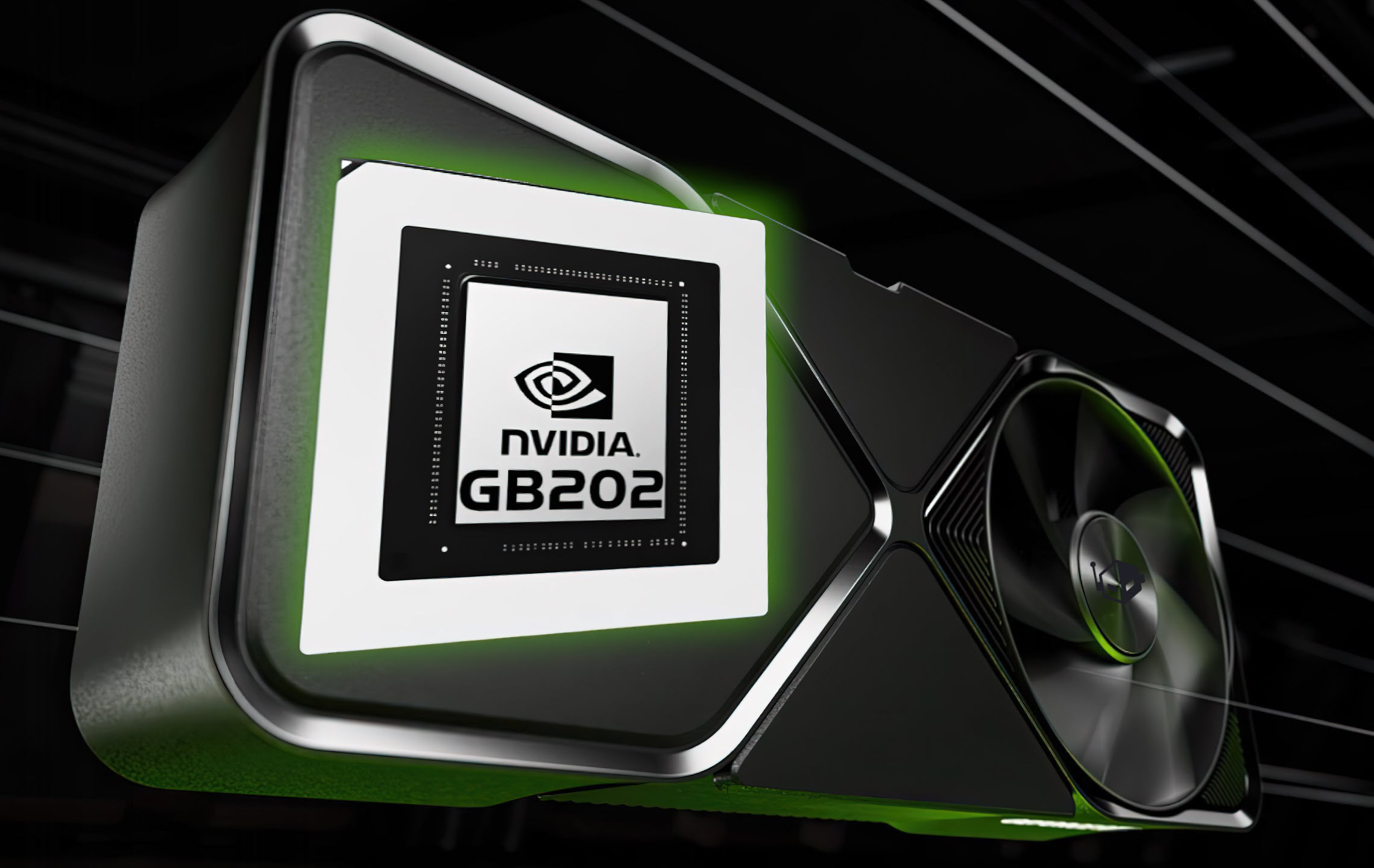
NVIDIA is speculated to be preparing for the upcoming launch of its GeForce RTX 5090 graphics card, which is rumored to be powered by a substantial and monolithic GB202 “Blackwell” die. According to leaks, this die will be the driving force behind NVIDIA’s next flagship GPU, and it could set a new benchmark for consumer graphics performance.
Understanding the Monolithic Design of the RTX 5090
The term “monolithic” in the GPU context refers to the traditional approach of using a single, large die for the GPU. NVIDIA has adopted this design for its GB202 “Blackwell” GPU, differing from its more recent experimentations with chiplet designs in its high-performance computing (HPC) and artificial intelligence (AI) offerings like the B100 and B200 GPUs.
Insightful reports suggest that the monolithic GB202 might consist of a staggering 192 Streaming Multiprocessors (SMs), resulting in up to 24,567 CUDA cores if NVIDIA continues to follow the 128 cores per SM configuration from its predecessor, the AD102 “Ada” chips.
Potential Performance and Architectural Innovation
In terms of performance, the upcoming RTX 5090 is expected to exhibit an impressive leap forward. This robust GPU architecture could potentially contain twice the number of SMs and cores compared to the more modest GB203, which is anticipated to power lower-tier graphics cards such as the GeForce RTX 5080. Such advancements suggest a large divide in performance capabilities between the RTX 5090 and its counterparts.
However, NVIDIA might be taking an innovative approach to combine elements of chiplet design without the typical complexities. This includes hypothesized enhancements like improved inter-die communication to mitigate the common bottlenecks that chiplet designs face.
Technical Specifications Preview
While the final specifications are shrouded in anticipation, preliminary GPU specs hint at NVIDIA employing the advanced TSMC N4P process node, which purportedly offers a 30% improvement in transistor density. Additionally, there is speculation of a 512-bit memory interface, and buzz around a newly crafted cooling solution and PCB designed to handle the potent capabilities of the RTX 5090.
Market Impact and Competition
The launch of NVIDIA’s GeForce RTX 5090 could alter the dynamics of the gaming GPU market, especially with rumors circling that AMD might be stepping back from the ultra-high-end segment with its RDNA 4 lineup. If this unfolds, NVIDIA’s Blackwell series GPUs would assume an unchallenged dominance in high-end gaming performance upon release.
Rumored Launch and Enthusiast Anticipation
Enthusiasts eagerly await official information about the NVIDIA GeForce RTX 5090, with its launch supposedly scheduled shortly after the RTX 5080 hits the market—this being the first rumored gaming GPU to carry the new Blackwell architecture. The expected powerhouse, with its pending announcement and subsequent release, foreshadows a new age for gamers and professionals alike, who crave next-level computational power and graphics fidelity.
As the tech community anticipates the reveal of the RTX 5090, what remains certain is that NVIDIA continues to push the frontier of graphics technology, developing GPUs that are more potent and efficient, further solidifying their position in the upper echelons of graphics processing hardware.
Stay tuned for the latest information on NVIDIA’s developments and the transformative capabilities of the forthcoming GeForce RTX 5090 GPU. Whether you’re a gamer, creator, or computing professional, the potential of NVIDIA’s monolithic GB202 “Blackwell” die is certainly a topic to watch.