Graphics card prices may be warming up again, and early signs from Japan suggest the next wave of increases could be tied to the same kind of supply-side pressure that once helped fuel crypto-era pricing chaos. With DRAM costs trending upward and reports of tighter availability for graphics memory like GDDR6 and GDDR7, shoppers are starting to see the impact where it hurts most: retail listings.
One of the clearest examples right now is NVIDIA’s GeForce RTX 5070 lineup in Japan, where prices that had dipped comfortably below launch levels are now climbing quickly. The concern is that if memory costs keep rising—and shortages persist—GPU pricing could follow a familiar pattern: sudden jumps, shrinking “good deal” inventory, and fewer models selling at or below MSRP.
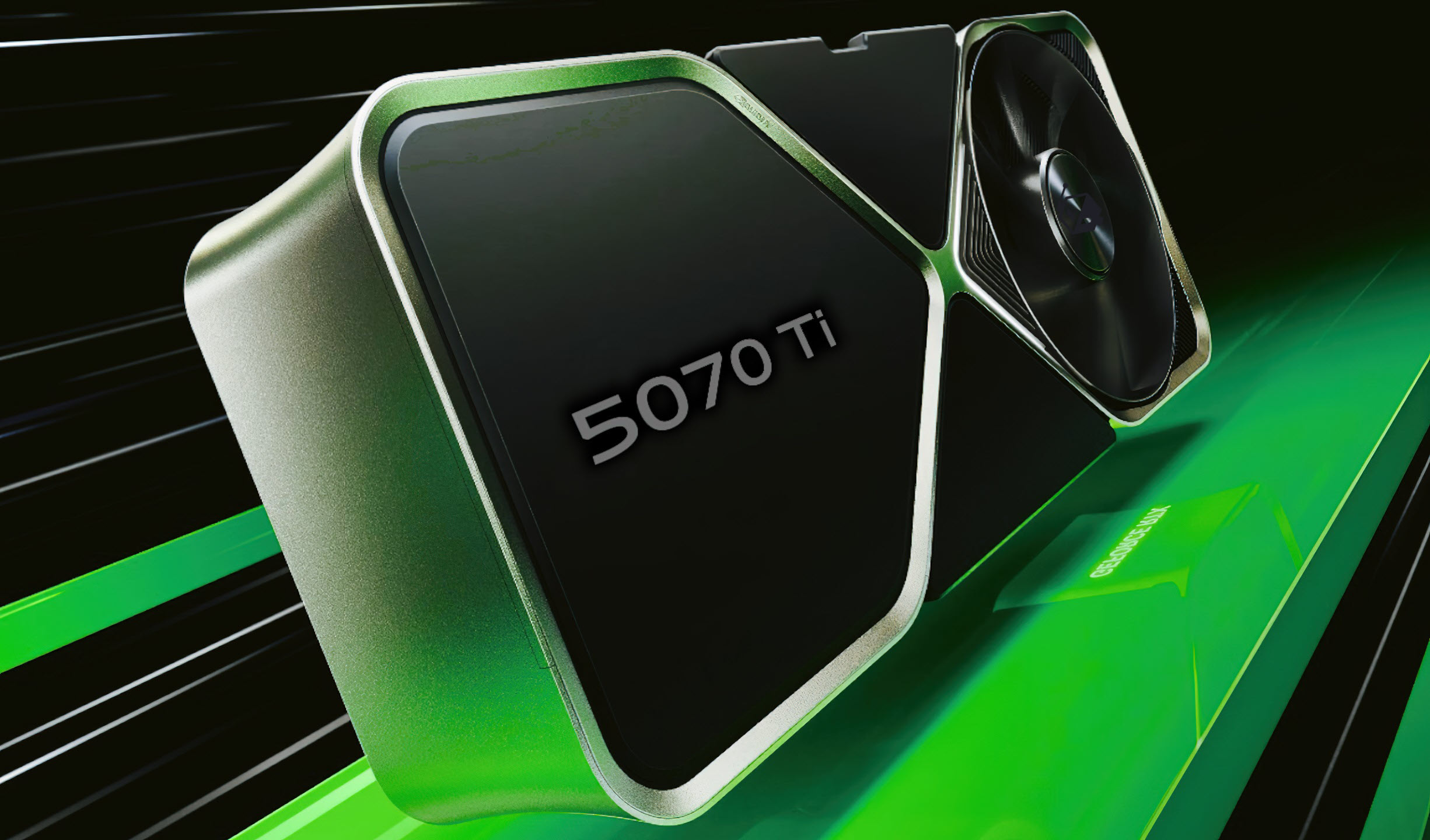
Recent pricing trends for RTX 5070 Ti in Japan show how fast things are changing. The card launched at 148,800 yen, but after a few months it commonly sold for around 126,000 yen. While that was still higher than the North American MSRP when converted, buyers at least saw meaningful post-launch drops. That downward trend has now reversed. Current low-end listings show the RTX 5070 Ti starting around 141,980 yen, representing an increase of roughly 15,000 yen in about a week—close to a US$100 jump. In some cases, only a single configuration is available at that lowest price point, while many other versions are now back at 148,800 yen or higher.
The standard GeForce RTX 5070 is also inching upward, just not as dramatically. The lowest listings have risen to about 94,980 yen (roughly US$612). That’s still under Japan’s official MSRP, but the direction is what has people watching closely: prices are creeping up week by week instead of continuing the typical post-launch slide.
What makes this more interesting is that the situation doesn’t look identical everywhere. In North America, RTX 5070 pricing appears more stable and, in some cases, still discounted at major retailers. The RTX 5070 Ti, however, is harder to consistently find below MSRP, which could be an early indicator of tighter supply or higher component costs filtering into the channel.
The big question now is whether these increases remain region-specific or spread more widely as memory pricing pressure continues. If GDDR supply stays constrained and DRAM-related costs keep climbing, more price hikes across GPU models wouldn’t be surprising. For buyers, the takeaway is simple: the GPU market may not be heading straight back into a worst-case scenario, but the conditions that can trigger one are starting to appear again—starting with memory.