NVIDIA RTX 50 GPU Prices Surge in Germany as AMD and Intel See Smaller Increases
GPU buyers in Germany have faced a difficult market over the past year, with graphics card prices climbing sharply across all major brands. Whether shoppers were looking at NVIDIA, AMD, or Intel, nearly every current-generation GPU became more expensive. However, NVIDIA’s GeForce RTX 50 series saw the steepest price increases by a wide margin.
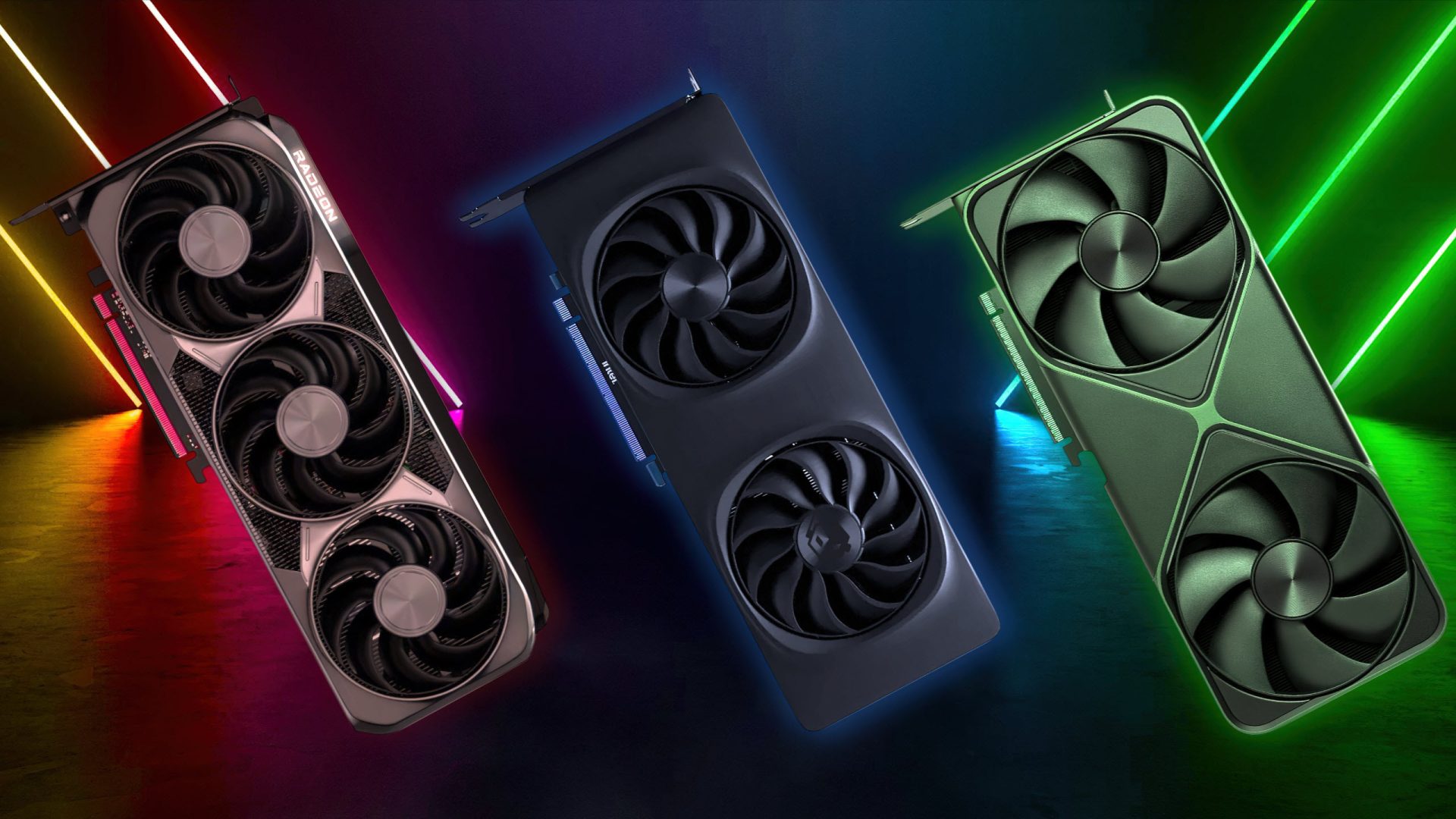
According to pricing data tracked across German retailers over the last 12 months, NVIDIA RTX 50 graphics cards recorded an average price hike of around 66%. AMD’s Radeon RX 9000 series followed with an average increase of about 46% to 48%, while Intel’s Arc Battlemage cards saw a smaller average rise of roughly 38%.
The sharp rise in GPU prices appears to be tied closely to rising memory costs. Graphics card prices began moving upward after DRAM and VRAM costs started increasing, but the most noticeable jumps appeared later as demand and supply pressures intensified. Models with higher memory capacities were hit especially hard, making 16GB graphics cards significantly more expensive than before.
Among NVIDIA’s lineup, nearly every RTX 50 series model saw a price increase of at least 50% in Germany. Some models climbed by more than 70%, including the GeForce RTX 5060 Ti 16GB. The extra VRAM capacity made these cards more vulnerable to price pressure, especially as demand for higher-memory GPUs continued to grow among gamers, creators, and PC builders.
The most extreme case is the GeForce RTX 5090. NVIDIA’s flagship graphics card reportedly saw its price increase by a massive 132% over the past year. That single model heavily pushed up the average price hike for the entire RTX 50 series, but even when removing the RTX 5090 from the calculation, NVIDIA’s current-generation lineup still shows an average increase of nearly 57%.
That means the RTX 50 series remains considerably more affected than AMD’s RDNA 4-based Radeon RX 9000 lineup. AMD GPUs also became more expensive, but the increase was generally less severe. The Radeon RX 9060 XT 8GB appears to be one of the most affected AMD models in Germany, yet overall Radeon RX 9000 pricing remains more competitive than NVIDIA’s equivalent offerings.
This price gap has had a noticeable impact on buyer behavior. Since many AMD Radeon RX 9000 graphics cards are still selling for less than comparable NVIDIA RTX 50 models, AMD has gained an advantage among value-focused shoppers in the German market. For gamers building or upgrading a PC, the lower relative pricing of Radeon cards makes them a more attractive option in many performance tiers.
Intel’s Arc Battlemage GPUs experienced the smallest increase among the three major brands. The Arc B580 and Arc B570 saw a combined average price rise of around 38%. While that is still a meaningful jump, it is far below the increases seen on NVIDIA and AMD cards. One major reason is lower demand, as Intel’s desktop GPU lineup remains less popular among gamers compared to GeForce and Radeon alternatives.
The current market shows how strongly memory pricing, product demand, and brand popularity can affect GPU costs. NVIDIA’s RTX 50 series has taken the hardest hit, especially higher-end and higher-VRAM models. AMD’s Radeon RX 9000 cards have also become more expensive, but they continue to offer stronger pricing in many segments. Intel, meanwhile, remains the least affected, though partly because demand for its GPUs is lower.
For PC gamers and system builders in Germany, the message is clear: graphics cards are more expensive across the board, but the size of the price increase depends heavily on the brand and model. NVIDIA still dominates attention in the high-end GPU market, but AMD’s more competitive pricing may appeal to buyers looking for better value. Intel remains a budget alternative, though its lower market demand continues to shape its pricing trend.