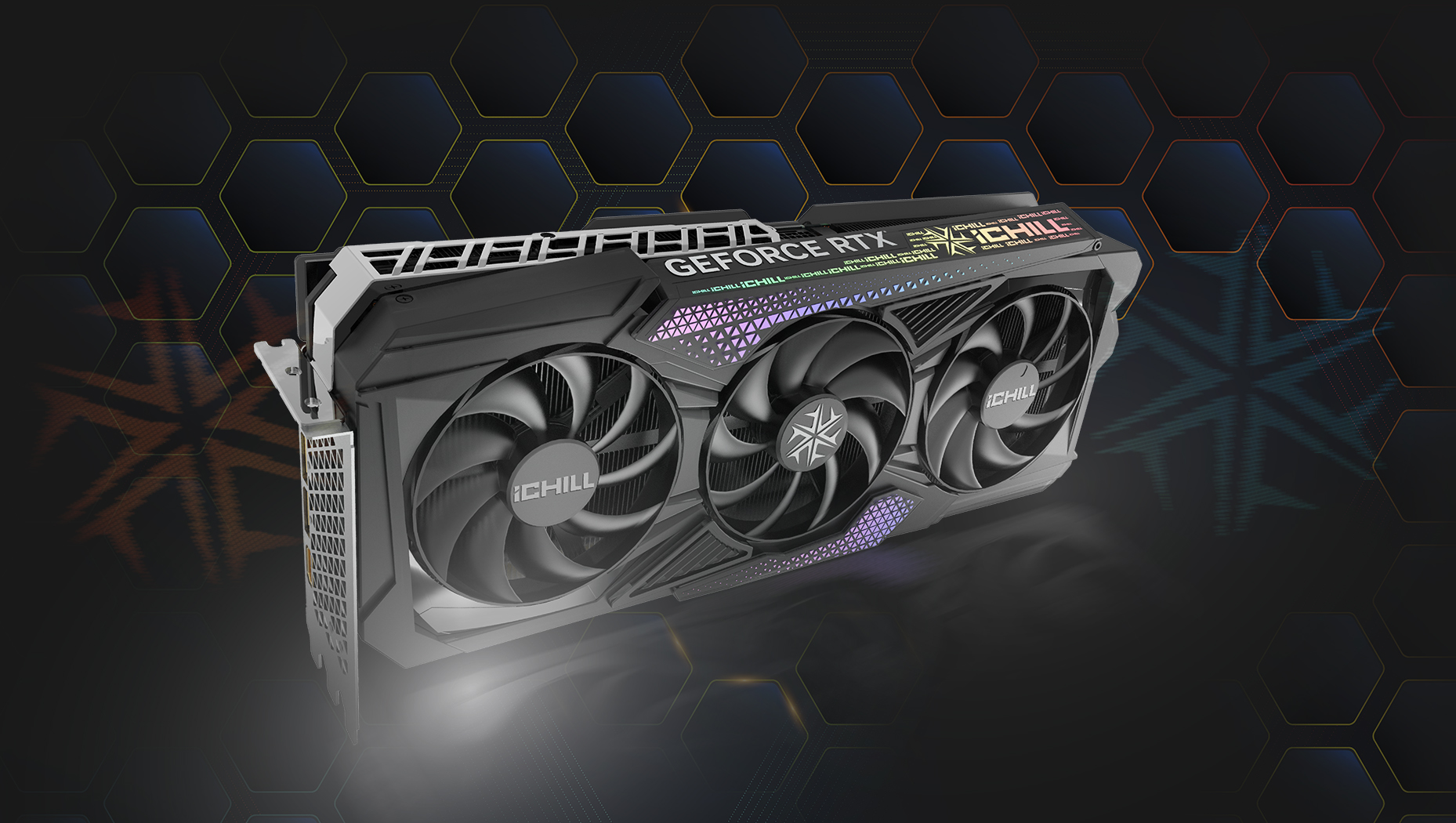
A Reddit user has sparked discussion online after detailing an unusual warranty experience involving an Inno3D GeForce RTX 4090 iChill that began showing serious stability and display problems.
According to the post, the graphics card worked without issues for around two years. Then, over the past couple of weeks, the owner started seeing black artifacts appear on the screen. The situation reportedly escalated into instability under load, including sudden GPU crashes and full system freezes so severe that a forced reboot was sometimes the only way to recover.
The user says he went through standard troubleshooting steps to rule out common causes. He checked power and display cables, looked into the PSU as a potential culprit, confirmed the GPU wasn’t overclocked, and made sure drivers were updated. Despite that, the artifacts and lockups continued.
With the problems ongoing, he contacted Inno3D to request an RMA. That’s where the situation became complicated. The user claims Inno3D initially told him to file the RMA through the retailer. However, his retailer warranty period had already expired at the two-year mark, while he still had roughly one year remaining under Inno3D’s warranty coverage. Even so, the company reportedly continued to push him back toward the retailer.
The most surprising part of the story is what the user says happened next: instead of immediately processing the RMA, Inno3D allegedly suggested he open the graphics card and replace the GPU thermal paste himself to address the thermal issues. For many customers, that advice raises red flags, because disassembling a GPU can involve breaking warranty seals or removing stickers—actions that may void warranty coverage depending on the region and policy. The Redditor refused, stating that opening the card could put the hardware at risk and still wouldn’t guarantee a fix.
He also noted that his stress-testing results didn’t point to a simple overheating problem. Based on his OCCT testing, he was seeing multiple errors within minutes, even before temperatures reached critical levels—suggesting the issue might not be solved by a routine repaste alone.
After further back-and-forth, the user says Inno3D eventually accepted the RMA request. Still, the overall experience left him with the impression that the company tried to avoid handling the case at first, only shifting course later.
The post is a reminder for PC builders and gamers dealing with high-end GPUs—especially models like the RTX 4090—that artifacts, crashing under load, and rapid stress-test errors can point to more than basic thermal maintenance. It also highlights how warranty processes can differ between retailer coverage and manufacturer coverage, and why it’s important to document communications and testing results when seeking an RMA.