Roost Is the Viral Slow Social App Bringing Back the Joy of Waiting
Somewhere high above the Great Plains, a digital woodpecker is making its slow journey toward Alaska with a message for an anonymous pen pal. Meanwhile, a zebra finch named Tucker is flying into Manhattan to deliver a friend a rough doodle of the classic Cool S.
That is the charm of Roost, a viral “slow social” messaging app that turns communication into a tiny adventure. Instead of sending texts instantly, Roost makes users wait as virtual birds carry messages across distances at speeds inspired by real-life animal travel. Depending on where your friend is and which bird you choose, a message can take hours or even days to arrive.
In an online world built around instant replies, constant alerts, and endless scrolling, Roost feels refreshingly different. The app is gaining attention because it does the opposite of what most social platforms do: it slows everything down.
Roost’s creator, Logan Mendelsohn, designed the app as a break from the pressure of always being available. Today’s phones make everything immediate, from messages to likes to notifications. Roost adds a little friction back into communication, giving people time to think before they speak and making each message feel more meaningful.
When users join Roost, they select four birds for their personal rookery. These birds are used to send messages to friends in the app. Each bird has its own travel speed based on how that species moves in real life. A falcon can deliver a message faster than a hummingbird, while slower options like snails and turtles are available for anyone who truly wants to embrace delayed communication.
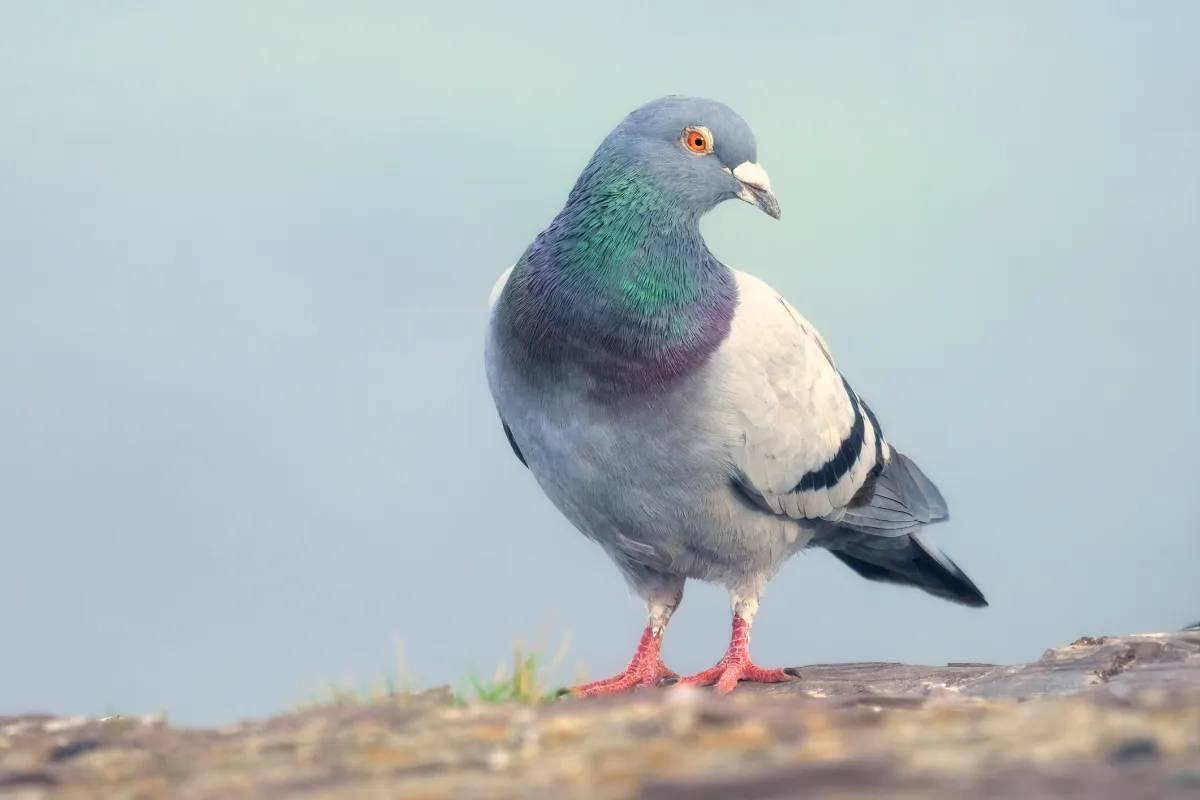
Although the idea is inspired by carrier pigeons, Roost includes many types of birds and creatures to make the experience more playful and collectible. Seeing which animals your friends use becomes part of the fun, and the app’s whimsical style has helped it stand out in the growing slow social media trend.
Mendelsohn, who works in trust and safety at Ticketmaster, originally built Roost as a side project for his friends. He did not expect it to become a major app. But after his friends encouraged him to release it publicly, Roost began to attract a small but loyal community.
Then the app suddenly took off.
A parent shared a post online about her daughter using Roost to communicate with friends in Elizabethan English through birds that travel at realistic speeds. The post captured exactly what made the app so unusual: it was funny, wholesome, creative, and completely different from the usual social media experience.
In just three days, Roost grew from around 10,000 users to 100,000 users. About five weeks later, it was approaching 300,000 users.
For many people, the appeal is not just the novelty of sending messages by bird. It is the emotional shift that comes with delayed communication. Because messages do not arrive instantly, users feel less pressure to respond immediately. Conversations become lighter, more intentional, and sometimes more imaginative.
Mendelsohn has said that the community is what makes Roost special. Users often describe the app as wholesome and whimsical, and many say it helps them put more thought into what they send. The delay removes some of the anxiety that comes with instant messaging, where every notification can feel like a demand for attention.
Roost also includes a Pen Pals feature, allowing users to exchange messages with anonymous people in their age group. Since anonymous communication can create safety risks, the app warns users not to share personal information, contact details, or private data. By default, friends can only see a user’s city, not their exact location. A more precise location-sharing option exists, but it must be manually enabled for selected close friends.
Mendelsohn’s background in trust and safety has shaped how Roost is built. Instead of adding safety tools later, he has tried to make privacy and moderation part of the foundation from the beginning. The app currently does not allow photo sharing, partly because he wants stronger moderation systems in place before introducing that kind of content.
Beyond messaging, Roost also includes mini games and collectible elements, giving users more reasons to return without turning the app into another attention-hungry feed. Its growth is especially notable because Mendelsohn continues to work on it in his spare time. The app has no outside funding and makes money mainly through in-app purchases, such as extra birds.
However, Roost’s rise has not been free from controversy. Some users became upset after learning that the app used AI-generated bird artwork. The reaction was strong, especially because many of Roost’s fans are drawn to the app as an escape from the current state of the tech industry.
Mendelsohn said he understood the criticism and did not want to ignore the concerns of the community. At the same time, replacing artwork across a growing app is not something a solo developer can do instantly. It requires time, planning, and money.
To address the issue, he launched a contest that allows artists to contribute new artwork for the app. The move has helped ease some concerns while highlighting a larger debate in consumer apps: many users want to support human artists and avoid AI-generated art, but small independent developers often rely on AI tools to build and maintain projects at scale.
Mendelsohn has also acknowledged using AI-assisted development tools while building Roost. He says that as a solo founder, it would be difficult to manage an app of this size without help from modern coding tools. Still, he emphasizes that Roost’s direction, product decisions, and personality come from him and the community.
Roost’s popularity shows that not every social app needs to be faster, louder, or more addictive. Sometimes people want the opposite. They want an app that makes them smile, gives them room to breathe, and turns a simple message into a tiny journey.
In a digital culture where instant communication has become exhausting, Roost has found its audience by making waiting feel magical again.


