The most-read stories from DIGITIMES Asia this week, spanning September 16 to September 20, delve into groundbreaking developments and intense market competitions. Here’s a rundown of the headline-grabbing news.
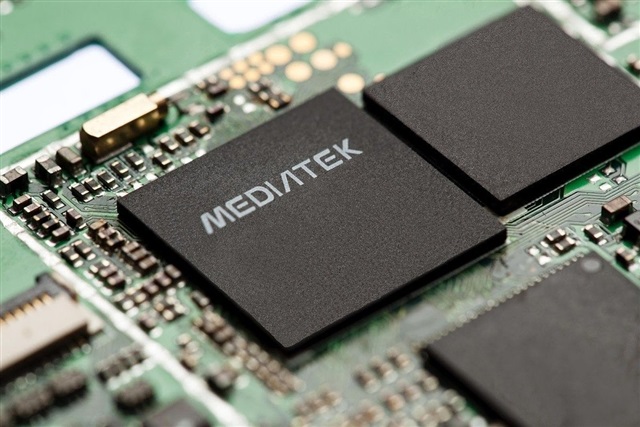
Chinese Smartphones Use Cutting-Edge 3nm Chips, Intensifying Qualcomm and MediaTek Rivalry
With Apple’s iPhone 16 series unveiling the A18 and A18 Pro chips, the race among top SoC manufacturers – Apple, Qualcomm, and MediaTek – has heated up. All three have now introduced their 3nm flagship chips for 2024. This fierce competition is closely watched as brands, amidst a shaky non-Apple smartphone market recovery, bank on these processors to trigger another upgrade cycle.
China’s Progress Toward Advanced Lithography Technology
China’s Ministry of Industry and Information Technology (MIIT) recently announced a breakthrough with a domestically developed ArF lithography machine, boasting a resolution of ≤65nm and overlay accuracy of ≤8nm. As US export sanctions continue, this raises two pressing questions: How does China’s lithography progress measure up against industry leader ASML? And what more is needed for China to produce high-end lithography machines domestically?
Tata Electronics Plans New Semiconductor Fabs in India
Tata Electronics is reportedly planning two new semiconductor fabs in Dholera, Gujarat, aiming to chip in on local production and meet global demand. Expected to commence within 5-7 years, the initial fab will likely begin production by 2026. It’s slated to produce chips for Power Management ICs (PMICs), Display Driver ICs (DDIs), Microcontrollers (MCUs), and High-Performance Computing (HPC) chips, targeting a peak manufacturing capacity of 50,000 wafers per month.
Challenges with China’s Domestic DUV Equipment
China’s in-house developed Deep Ultraviolet (DUV) machines are struggling with critical multiple exposures, limiting their ability to achieve finer process nodes like 28nm and below. This technological gap hinders China’s advancement in mature chip process production using local equipment. Overcoming these challenges will require significant improvements, particularly in immersion ArFi technology.
Huawei’s Kirin SoC Performance Hurdles
A closer inspection of Huawei’s latest Mate XT tri-fold smartphone reveals the continued use of the Kirin 9010 SoC, first launched in early 2024. The industry continues to speculate on Huawei’s progress, as the company has been reticent about revealing any advancements tied to a rumored new in-house 5nm processor. This has led to questions about whether significant manufacturing breakthroughs have been realized.
Qualcomm’s Stumble in AI PC Debut
Sources from the notebook supply chain indicate that Qualcomm’s June debut of the Copilot+ PC has not met expectations, drawing lackluster reviews and market feedback. Compounding the issue, Qualcomm’s ongoing licensing disputes with Arm have led to waning sales. Despite these setbacks, AI-powered PCs have breathed new life into the stagnant PC market, spotlighting the Arm vs. x86 face-off.
China’s CXMT Expands DRAM Production, Disrupting Global Market
Backed robustly by the Chinese government, CXMT’s aggressive expansion of DRAM production capacity is shaking up the global market. The company’s monthly output surged from 120,000 wafers at the end of 2023 to 160,000 in Q1 2024, with projections indicating a climb to 200,000 by year’s end. This expansion would account for 11% of global DRAM production, posing a significant challenge to the established triopoly of Samsung Electronics, SK Hynix, and Micron.
Stay tuned to see how these developments unfold as they continue reshaping the tech landscape.