Rising geopolitical tensions are reshaping the global energy landscape, and consumers are starting to feel the impact in everyday costs. As uncertainty spreads across key regions and supply concerns grow, crude oil prices have surged worldwide. That jump in oil prices doesn’t stay confined to fuel pumps—it quickly filters into transportation, manufacturing, and household expenses, creating wider inflationary pressure across many sectors.
Analysts are increasingly pointing to a phenomenon often described as “green inflation,” where higher energy prices accelerate changes in how people and businesses consume power, travel, and purchase goods. When oil and gas become more expensive, shipping and logistics costs rise, companies face higher operating expenses, and those added costs frequently end up reflected in retail prices. From groceries to delivery fees to the price of everyday essentials, energy is woven into much of the economy, which is why even a short-term shock can have a broad and lasting effect.
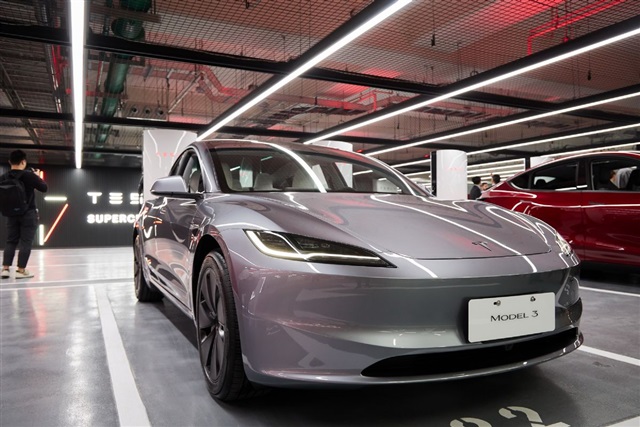
At the same time, high fuel prices are nudging buyers toward more efficient transportation options. The shift toward hybrid vehicles and electric vehicles is gaining momentum as drivers look for ways to reduce their dependence on volatile fuel markets. For many households, the appeal is practical: hybrids can cut fuel use without requiring major lifestyle changes, while EVs offer an even bigger break from gasoline costs—especially in areas where charging is accessible and electricity rates remain competitive.
This dynamic creates a feedback loop. Higher energy costs push consumers toward cleaner or more fuel-efficient alternatives, while the broader economy deals with the inflationary effects of energy-driven price increases. In other words, the rising cost of crude oil doesn’t just influence what drivers choose next—it can influence the cost of living overall.
With geopolitical risks continuing to influence energy markets, many consumers and industries are preparing for continued volatility. Whether oil prices stabilize or climb further, the current trend is clear: elevated energy costs are not only intensifying inflation pressures, but also speeding up the global pivot toward hybrids, EVs, and other efficiency-focused choices.