Two years ago, Intel made a noteworthy entrance into the discrete graphics card market with its Alchemist architecture. This was a highly anticipated move because for decades, NVIDIA and AMD have been the dominant players in this space. However, Intel’s debut was not as smooth as they might have hoped.
The launch of Intel’s Arc A-series “Alchemist” graphics cards was delayed, and even after they hit the market, they were beset with a host of issues. Severe driver problems and software glitches marred the experience for gamers who had eagerly awaited Intel’s new offerings. This left a significant portion of Intel’s hopeful audience disappointed and skeptical.
Despite the rocky start, Intel remained committed to improving their product. There were swirling rumors about the possible cancellation of Intel’s discrete graphics card line. Still, one silver lining emerged: Intel’s dedicated software team, who worked tirelessly to enhance application and game performance. Over time, as prices for Arc cards dipped below $300 US, equipped with 16 GB of VRAM, Intel began a slow but steady reputational recovery.
Time marched on, and Intel’s competitors soon released their next-generation graphics cards. Yet, this time Intel managed to stay ahead of the curve, diving back into the fray with an early release of their next-gen products, planned for the first half of the upcoming year. Enter the second generation of Intel’s Arc family, codenamed Battlemage or B-Series.
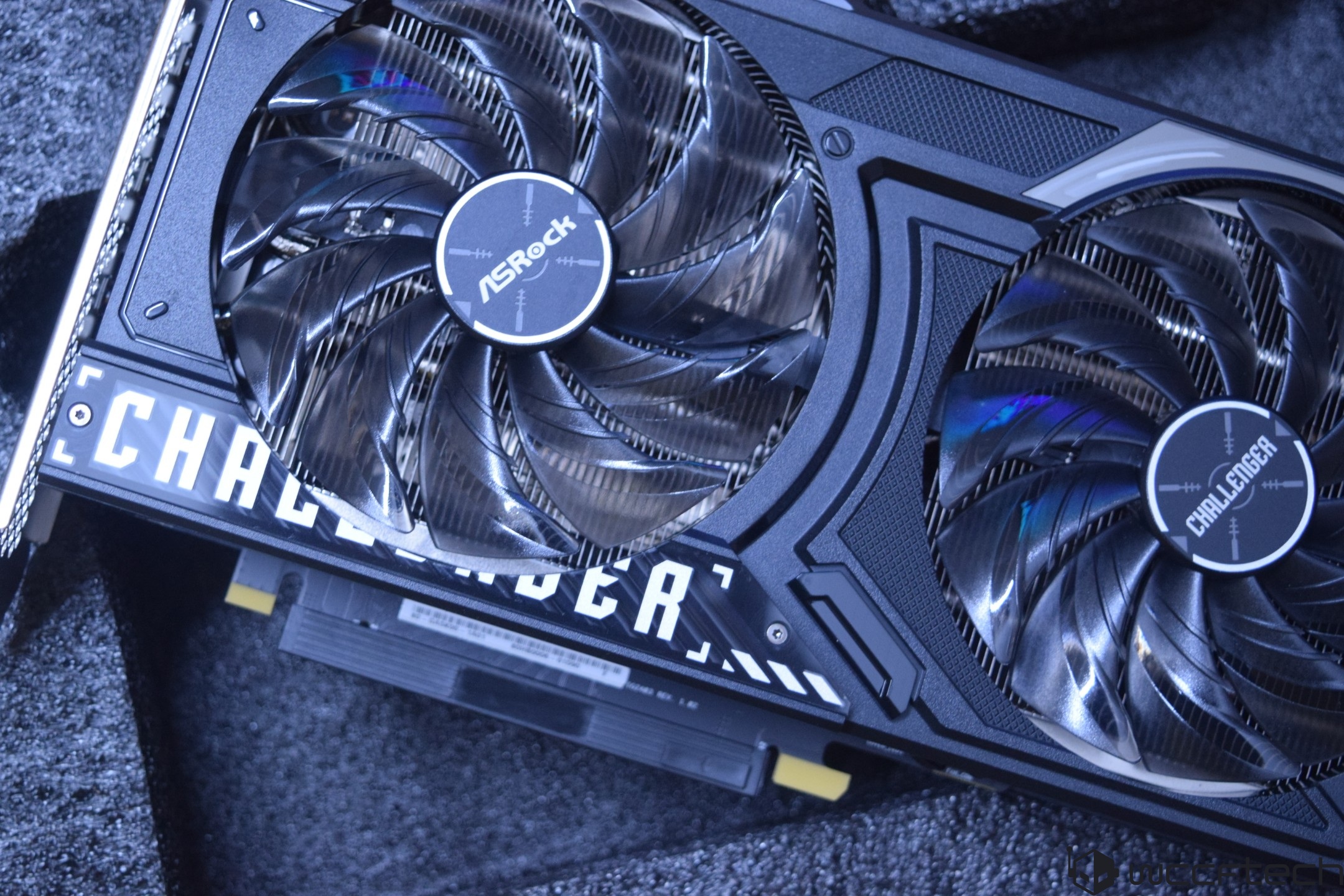
The new Intel Arc Battlemage lineup is designed to address the shortcomings of its predecessor. With a focus on improved support for modern APIs and a suite of new features, Intel seems determined to win gamers over. Leading this charge is the newly launched Arc B570, part of the 2nd Gen Battlemage graphics cards, with a starting price of $219 US. One variation of this card that has garnered attention is the ASRock Challenger OC variant, promising an exciting new experience for graphics card enthusiasts.
The graphics card arena is once more poised for competition, and Intel is committed to reclaiming its spot with the B-Series, aiming to resolve past issues and usher in a new era of gaming potential.