Walmart is already reacting to Nintendo’s new Switch 2 pricing strategy, and it could be good news for anyone who still prefers physical game cases on their shelf.
Nintendo recently confirmed that its first-party Switch 2 games will generally cost less digitally than they do in physical form. In other words, the Nintendo eShop price is set to undercut the MSRP that retailers are expected to charge for cartridge versions. That puts big-box stores in an uncomfortable spot: keep physical prices higher and risk losing sales to digital downloads, or cut prices and accept thinner profit margins.
At least one major retailer has chosen not to surrender those sales. Walmart is matching the lower digital pricing on select upcoming Switch 2 releases, discounting physical copies even on pre-orders.
Which Switch 2 games is Walmart discounting?
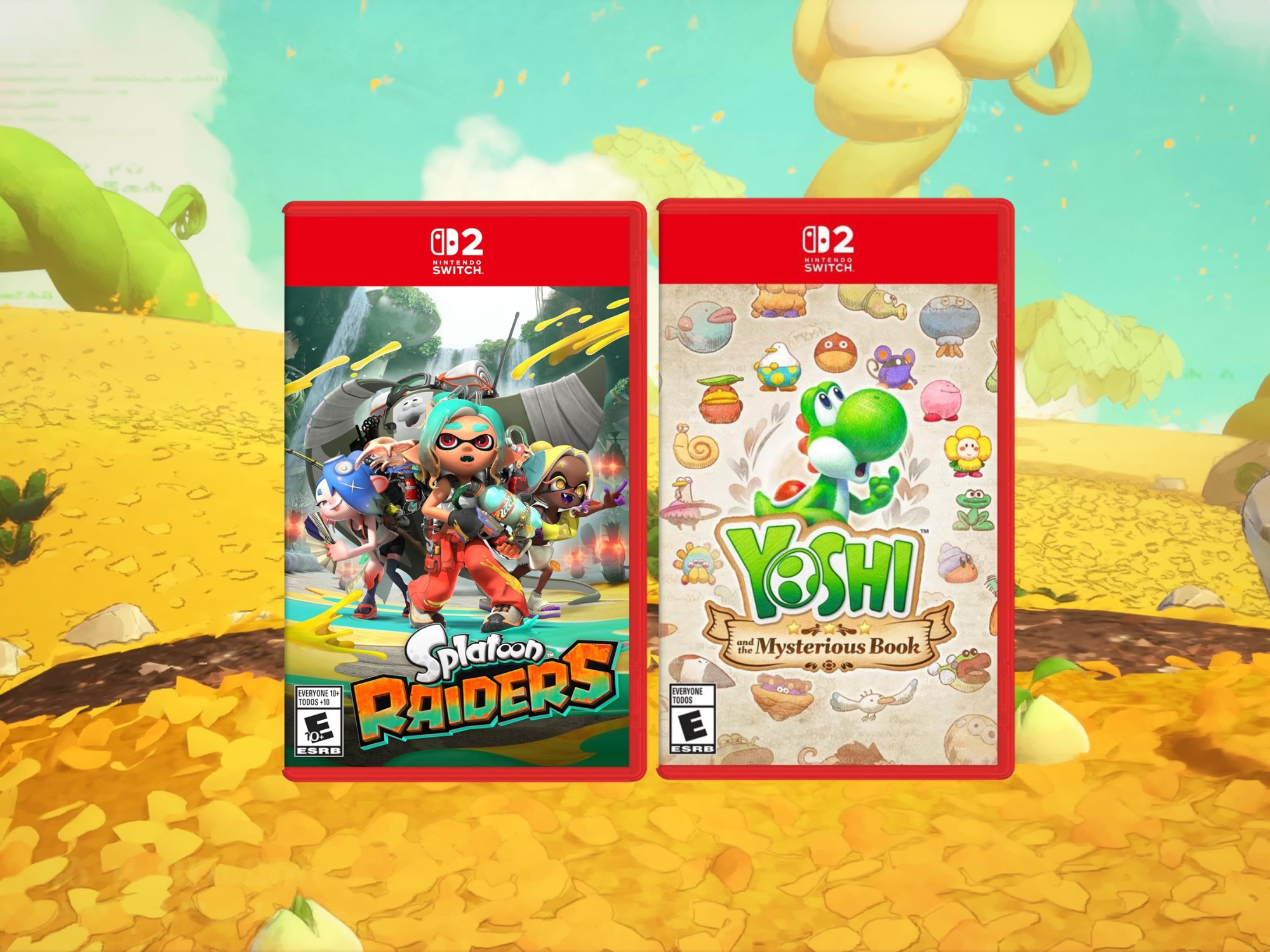
Two new titles are currently highlighted by the retailer’s price cuts:
Yoshi and the Mysterious Book: Nintendo’s pricing approach becomes easy to see here. The digital version is listed at $59.99 on the eShop, while the suggested price for the physical cartridge is $69.99. Walmart has dropped the boxed version by $10, effectively bringing the physical price in line with the digital discount.
Splatoon Raiders: This single-player entry in the Splatoon universe is listed at Walmart for $49.94 ahead of its July 23 release. Many other stores are sticking to $59.99, which matches the digital price. That makes Walmart’s physical pre-order notably cheaper than the typical going rate.
According to the listing details, these deals are available in-store and can also be ordered with shipping to many U.S. locations at no extra cost.
Why digital Switch 2 games are cheaper than physical copies
Nintendo has been increasingly open about why the gap between digital and physical pricing is widening. Physical releases come with real-world expenses that digital downloads largely avoid, including manufacturing and shipping. On top of that, outside pressures are making boxed games even harder to price consistently.
Several factors are contributing to the shift, including tariffs, fuel and logistics costs, and constraints around NAND flash storage used in game cartridges. There has also been talk that some publishers may receive lower-capacity, lower-cost game cards as a way to manage expenses, though pricing pressure remains.
The result is simple: in a tough economy, digital distribution gives Nintendo more flexibility to keep prices lower, while physical games face a higher cost floor.
What this could mean for Switch 2 buyers (and for smaller retailers)
Whether Walmart continues discounting new Switch 2 physical games after launch—or expands these deals to more titles—remains to be seen. Still, the early move signals that large retailers may use Switch 2 game pricing as a competitive lever, even if it means sacrificing margin on individual game sales.
Walmart can potentially afford that because of scale. Discounted Switch 2 pre-orders can drive shoppers to its stores and website, where additional purchases often make up the difference. Smaller game sellers, however, may not have the same ability to eat losses just to compete with digital pricing.
For players, this is a promising development: if more retailers follow suit, buying physical Switch 2 games may no longer automatically mean paying more than the digital version—at least for some major releases. Just keep in mind that retailer pricing can change quickly, and discounts may be limited by timing or availability.