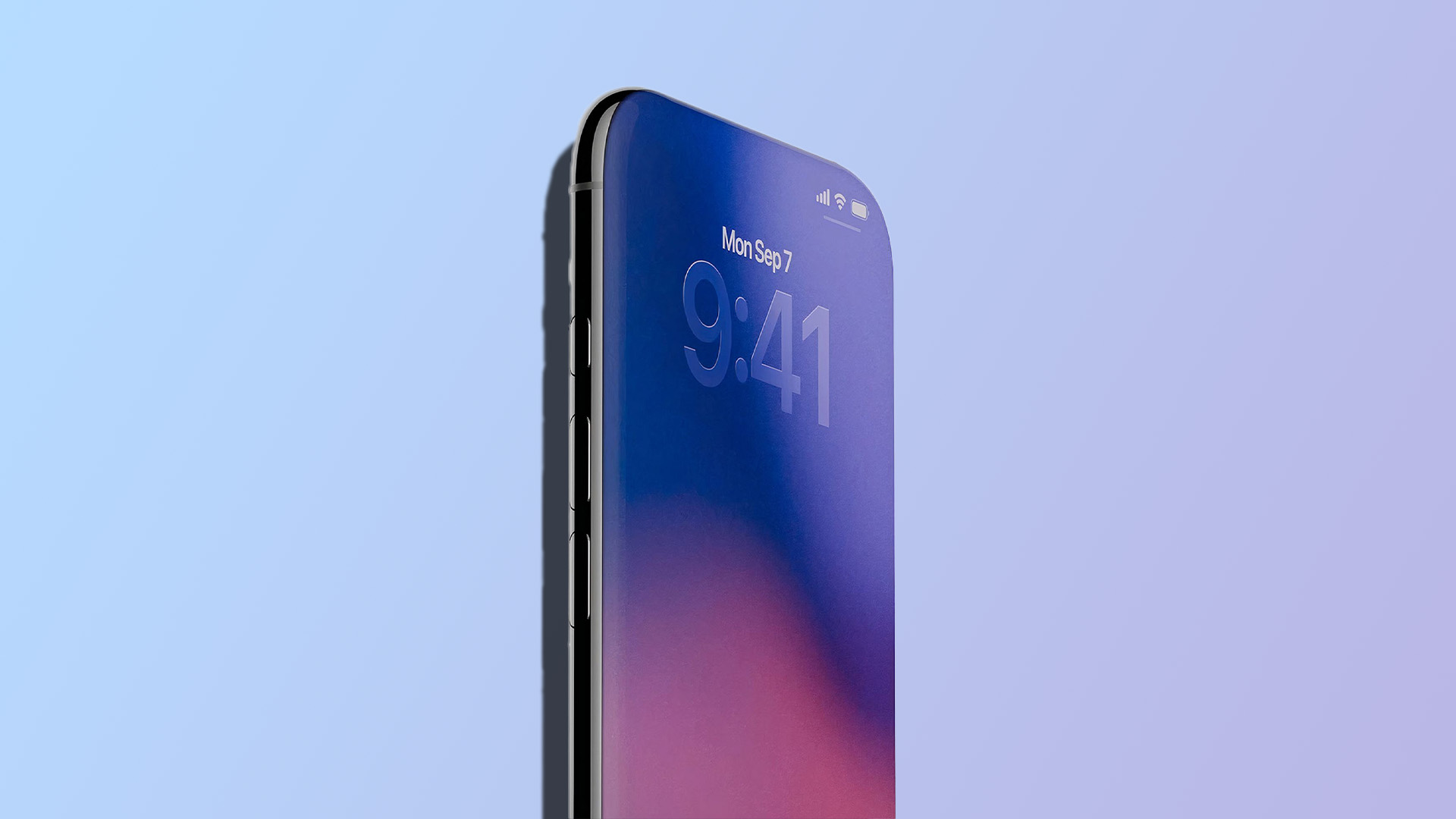
Apple is reportedly planning a major shake-up for its 2027 iPhone lineup, with a broader range of models, a new naming approach, and the long-awaited debut of foldable devices. According to remarks attributed to Omdia senior researcher Heo Moo-yeol at a conference in South Korea, Apple could skip the iPhone 19 moniker altogether and brand the 2027 flagship family as iPhone 20 to mark the series’ 20th anniversary. The strategy points to a more diversified iPhone portfolio aimed at multiple price tiers, including a lower-cost model and two foldable iPhones.
Key takeaways
– Apple is expected to launch six iPhone models in 2027.
– The company may jump from iPhone 18 to iPhone 20, bypassing iPhone 19, to commemorate the 20th anniversary.
– A new staggered release plan could see iPhone 18e and a base iPhone 20 arrive in the first half of the year, with premium variants following later.
– Two foldable iPhones are reportedly in the pipeline, potentially boosting overall display shipments if consumer demand materializes.
– A budget-friendly iPhone remains part of the roadmap, with the “Air” variant still mentioned despite mixed sales signals and cancellation rumors from some tipsters.
Supply chain implications are significant. ETNews reports that if Apple adjusts its 2027 launch cadence as expected, global demand for OLED panels could dip by around 20 million units in the near term—tough news for display suppliers recalibrating capacity. However, if the two foldable iPhone models gain traction, Omdia’s outlook suggests total iPhone panel shipments could rebound to roughly 250 million units annually.
The predicted six-model lineup aligns with separate projections from Daishin Securities analyst Park Kang-ho, pointing to a broader mix designed to capture more customers worldwide. By stretching the iPhone family across more price brackets and form factors—especially with foldables and an entry-focused option—Apple could stimulate shipments and defend share in an increasingly competitive premium smartphone market.
Naming aside, the bigger story is Apple’s evolving release strategy. A split launch, with core and entry devices in the first half of the year and premium models later, would keep iPhone news cycles active longer, smooth production schedules, and allow Apple to fine-tune marketing and supply for its high-end devices. That approach may also give foldables room to stand out without cannibalizing traditional flagships.
As with all long-range roadmaps, details can change. Still, the direction is clear: more iPhone choices, a stronger push into foldables, and a branding moment that underscores two decades of the iPhone.
Likelihood assessment: Probable (61–80%)
– Basis: Public remarks attributed to an Omdia senior researcher, corroborating forecasts from another analyst, and reporting from ETNews. Predictions extend several cycles ahead, so timing and naming could evolve.