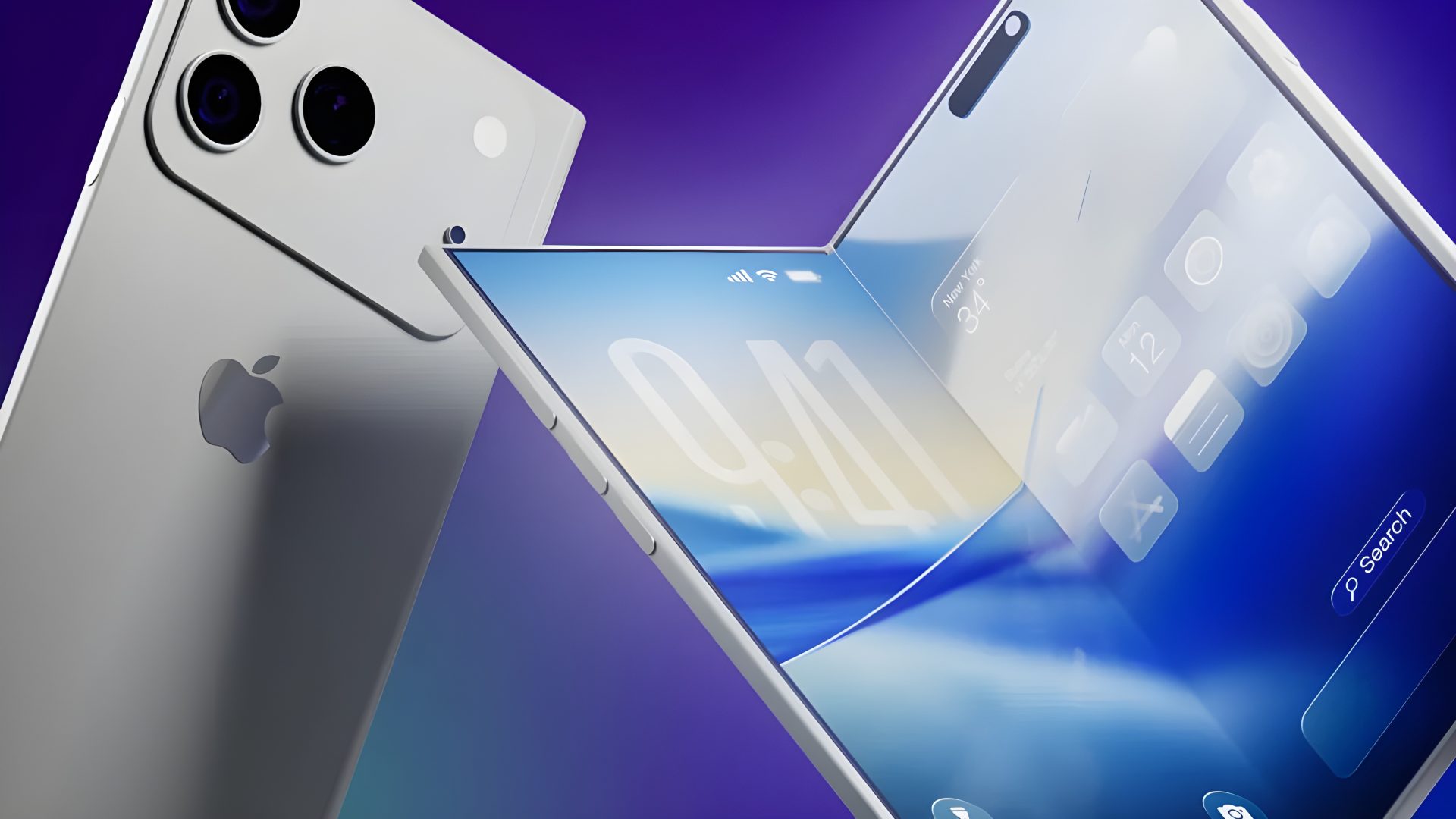
Apple’s Foldable iPhone Ultra Rumored to Feature Vapor Chamber Cooling and Samsung M14 OLED Display
Apple’s long-rumored first foldable iPhone appears to be moving deeper into pre-production, and new supply-chain chatter is giving us a clearer picture of what the device could offer. Tentatively referred to as the iPhone Ultra, the foldable model is expected to mark Apple’s biggest iPhone design shift in years, potentially arriving in September 2026.
While Apple has not confirmed the device, recent leaks suggest the company is now working through the usual calibration and production challenges that come before a major hardware launch. As expected with a first-generation foldable, the iPhone Ultra may come with a mix of cutting-edge features and surprising compromises.
One of the biggest new details involves the display. According to tipster Schrödinger, the iPhone Ultra is expected to use Samsung’s M14 OLED panel rather than the newer M16 OLED technology. That means Apple’s first foldable may not get Samsung’s most advanced OLED screen, even though other high-end phones in Apple’s 2026 lineup could reportedly move to M16 panels.
The M16 OLED panel is considered a major step forward because it is said to use native 10-bit technology and replace blue fluorescent OLED material with blue phosphorescent material. This change could improve power efficiency, brightness, and overall display performance. If the iPhone 18 Pro and iPhone 18 Pro Max do use M16 panels as rumored, they may have a display advantage over the foldable iPhone Ultra in certain areas.
Still, the M14 OLED panel is far from outdated. It should deliver premium color quality, strong contrast, and the type of visual performance expected from a flagship Apple device. For a foldable iPhone, Apple may be prioritizing reliability, yield rates, and durability over using the newest OLED material stack available.
The standard iPhone 18 is also rumored to use either the same M14 OLED technology or an upgraded M12+ panel. The M12+ panel is believed to be a refined version of the M12 display tech used in earlier flagship smartphones, including models from the iPhone 14 Pro era.
Another major rumor points to improved thermal management. A Weibo-based tipster known as Fixed Focus Digital claims that the iPhone Ultra will feature a dedicated vapor chamber cooling system. If accurate, this would be a significant upgrade for Apple’s thermal design.
Vapor chamber cooling helps spread heat more efficiently across the device, reducing hot spots during demanding tasks such as gaming, video recording, multitasking, and AI-powered features. In a foldable phone, where internal space is more complex and heat distribution can be more difficult, this could be especially important.
Apple has traditionally relied on careful chip efficiency and internal design rather than aggressive cooling hardware. Adding a vapor chamber to the iPhone Ultra would suggest that the company wants its foldable device to deliver strong sustained performance despite its thinner, more complicated form factor.
The same source says Apple’s foldable iPhone remains on track for a tentative September 2026 launch, even though early production has reportedly faced some ramp-up difficulties. These issues are said to involve component mounting on the printed circuit board using Surface-Mount Technology, a common manufacturing process for compact electronic devices.
Early production challenges are not unusual for a new device category, especially for a foldable iPhone. Apple is likely dealing with tighter internal layouts, hinge-related engineering demands, display durability requirements, and battery placement concerns. The fact that the launch timeline is still rumored to be on schedule suggests that the problems may be manageable at this stage.
However, the iPhone Ultra may not include every feature users expect from a top-tier iPhone. Current rumors suggest Apple could remove or skip several familiar technologies to make the foldable design work. These possible omissions include Face ID, a telephoto camera, MagSafe support, a physical SIM card slot, and the Action button.
If true, those changes would make the iPhone Ultra a very different kind of premium iPhone. Apple may be positioning it less as a direct replacement for the iPhone Pro Max and more as an experimental flagship focused on foldable design, portability, and a larger inner display.
The lack of Face ID would be especially notable, as Apple has made facial authentication a signature feature on its flagship iPhones for years. A foldable design could make Face ID hardware more difficult to integrate, especially if Apple is trying to keep bezels slim and maintain durability around the folding display.
The possible absence of a telephoto camera may also disappoint users who expect Apple’s most expensive iPhone to offer the best camera system. Foldable phones often involve trade-offs in camera hardware because of limited internal space, hinge mechanics, and battery placement.
Color options may also be limited at launch. A recently shared dummy unit reportedly showed the foldable iPhone in one of two expected finishes: White and Deep Blue. If Apple launches the iPhone Ultra with only two colors, it may be taking a cautious approach for its first foldable release.
Overall, the iPhone Ultra is shaping up to be one of Apple’s most interesting products in years. It may not have the most advanced OLED panel in the company’s 2026 lineup, and it may leave out some familiar iPhone features, but the addition of vapor chamber cooling and a foldable design could make it a major milestone.
As always, these details should be treated as early leaks rather than confirmed specifications. Apple’s plans can change before mass production begins. Still, if the latest rumors are accurate, the first foldable iPhone could bring a bold new design, strong thermal performance, and a premium Samsung OLED display when it arrives in 2026.


