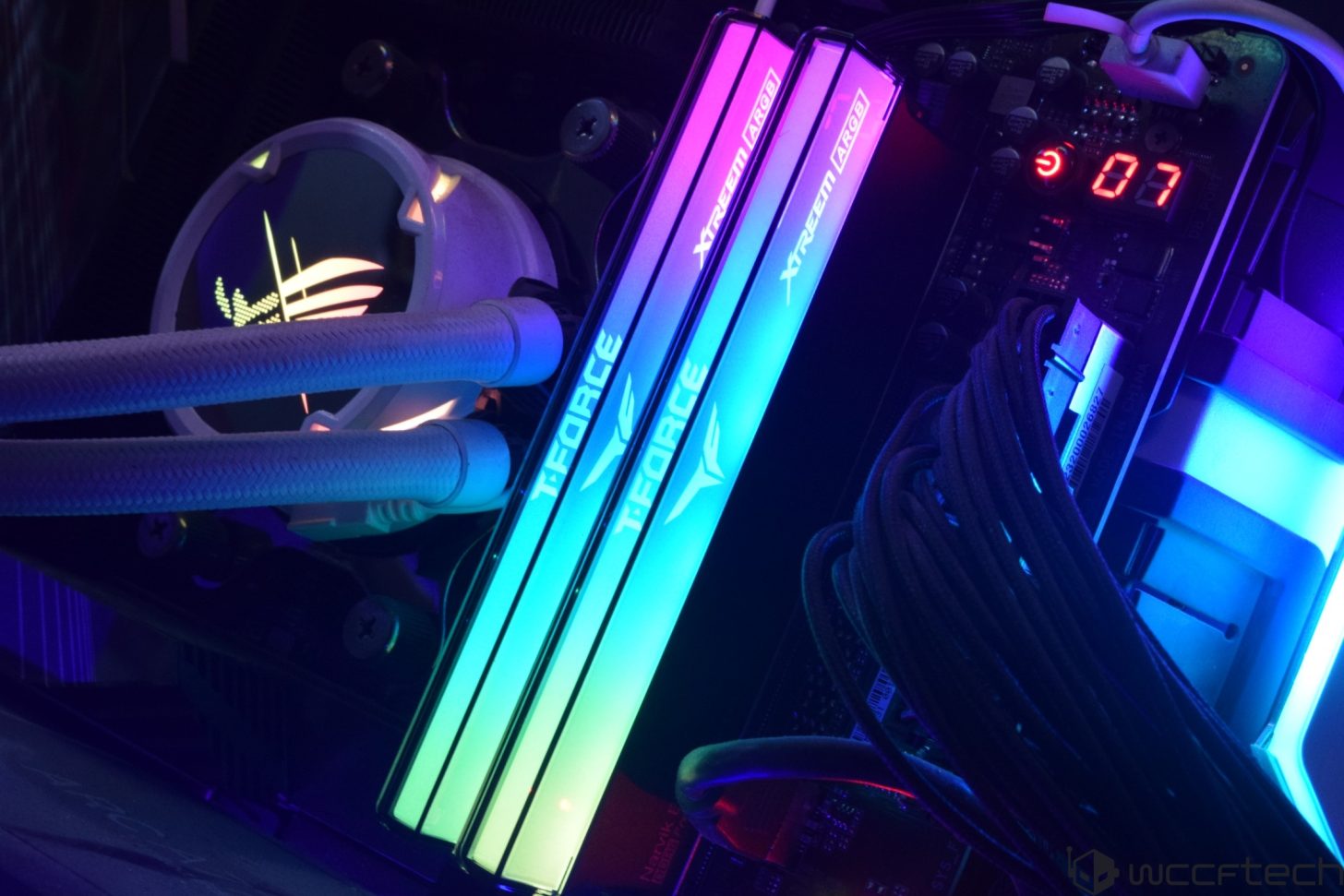
RAM shortages are reaching a point that’s starting to affect more than just shopping carts and upgrade plans. In a recent incident shared on a Korean public forum, a thief reportedly pulled up to a public location, broke into an office, and didn’t bother taking the entire PC. Instead, the target was far more specific: the RAM.
According to the post, the thief shattered the tempered glass side panel of a desktop PC and removed four 32GB Micron memory modules. That’s 128GB of RAM taken in minutes—small, easy to carry, and currently far more valuable than most people would assume for such lightweight components.
This strange, highly targeted theft highlights just how extreme DRAM pricing has become during the ongoing memory shortage. With supply tight, consumer markets are seeing especially sharp price increases, and some high-capacity modules are selling for staggering amounts. When memory prices spike faster than other PC parts, it creates an unusual situation where a few small components can represent a large chunk of a system’s value.
What makes the story even more frustrating is what happened afterward. The user said their company already has a liability contract covering the affected equipment, but the insurance side is reportedly struggling with compensation because replacement costs have inflated so drastically. In other words, it’s not just the theft that hurts—it’s the reality that making the system whole again may cost far more than expected in a normal market.
Commenters discussing the incident pointed out an obvious but important detail: stealing the entire PC would have been much harder. A full desktop is bulky, more noticeable to move, and riskier to transport. RAM sticks, on the other hand, are easy to conceal and easy to resell—especially when market conditions make them feel like high-demand goods.
The incident is a reminder that component shortages don’t just frustrate PC builders—they can change behavior in the real world. It also calls back to the kinds of thefts seen during the crypto-mining boom, when certain hardware became so valuable that it was increasingly targeted.
With industry expectations that memory constraints could continue for years, the bigger concern is whether cases like this become more common. For PC owners and businesses alike, it may be time to treat RAM and other high-value components with the same security mindset usually reserved for larger, more obvious assets.