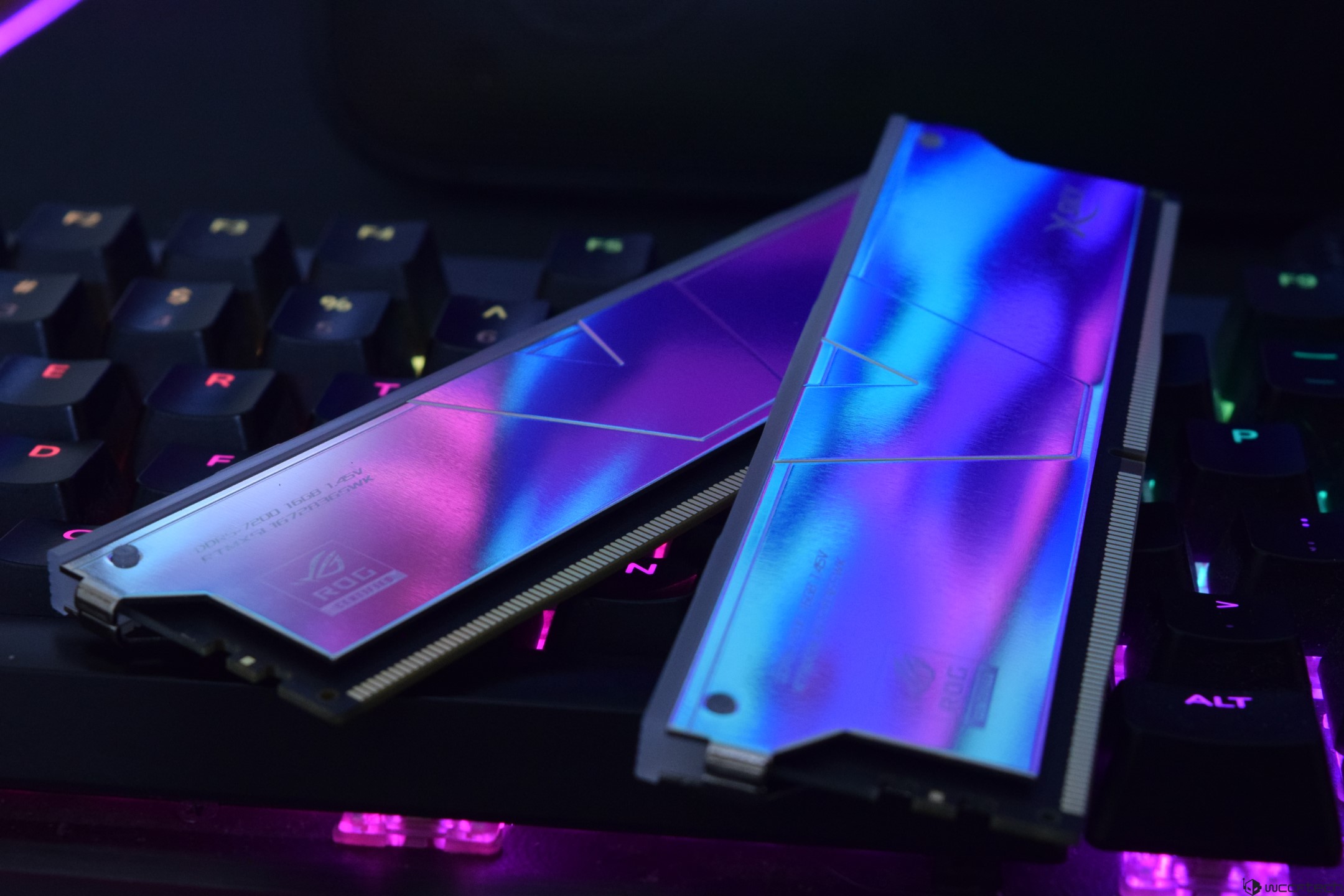
DDR5 and DDR4 memory prices are on track for a sharp climb as the AI-fueled DRAM supercycle consumes nearly all available production capacity. Analysts and industry watchers caution that this is a fast-moving market trend, not a reason to panic, but the direction is clear: memory is getting more expensive.
Why prices are surging
– Explosive AI demand has turned DRAM into a bottleneck. High-bandwidth memory used in AI accelerators is taking priority at fabs, and traditional DRAM like DDR5 and DDR4 is also essential for many AI and server workloads.
– Major suppliers are reallocating capacity. Companies such as Micron, Samsung, and SK hynix are dedicating more lines to DRAM to keep up with AI orders, leaving fewer wafers for mainstream consumer modules.
– Big customers are locking in supply. Large buyers are reportedly reserving DRAM production lines for two to three years as they scale out AI infrastructure, tightening supply further for the consumer market.
What the numbers show
– A new industry report indicates that top DRAM producers are building in around a 30% price increase for DRAM and NAND flash, with higher quotations potentially appearing as soon as Q4.
– Market trackers report that DDR4 and DDR5 spot prices have been trending upward for weeks. DDR5 16 GB pricing rose about 5% in a single day, signaling momentum behind the increase.
– Retailers are already reacting. Popular DDR5 kits, including models like the G.Skill Trident Z5 Neo, have jumped as much as 40% in a month in some regions, hitting new highs. Major online retailers are steadily moving DDR5 prices up, and the trend looks set to continue through the coming quarters.
What this means for PC builders and upgraders
– Expect a lag, then a catch-up. Consumer RAM prices often trail upstream contract increases. As producers formalize higher quotes, retail prices typically follow.
– Near-term window for better deals. If you’re planning a memory upgrade, Q3 may offer the last relatively favorable pricing before broader hikes filter through.
– The road ahead looks costly. With producers signaling higher quotes and long-term AI allocations tightening supply, late 2025 and beyond could be an especially pricey period for DDR5 and DDR4.
Practical tips to navigate the DRAM supercycle
– Buy sooner if you’re on the fence, especially for DDR5 kits where increases have been steepest.
– Consider capacity and speed trade-offs. If top-speed kits are spiking, a slightly lower frequency or tighter-timing alternative may deliver similar performance for less.
– Watch for bundle deals with CPUs or motherboards that can offset rising memory costs.
– For DDR4 systems, upgrade now if you intend to keep the platform; DDR4 increases may lag DDR5 but are unlikely to remain immune.
Bottom line
AI’s accelerating appetite for memory—especially HBM—has triggered a DRAM supercycle that’s pushing DDR5 and DDR4 prices higher across the board. With major suppliers signaling around a 30% increase and large buyers locking in long-term capacity, consumers should expect continued upward pressure from Q4 onward, with 2025 shaping up to be an expensive year for RAM. If you’re planning an upgrade, acting sooner rather than later could save money.


