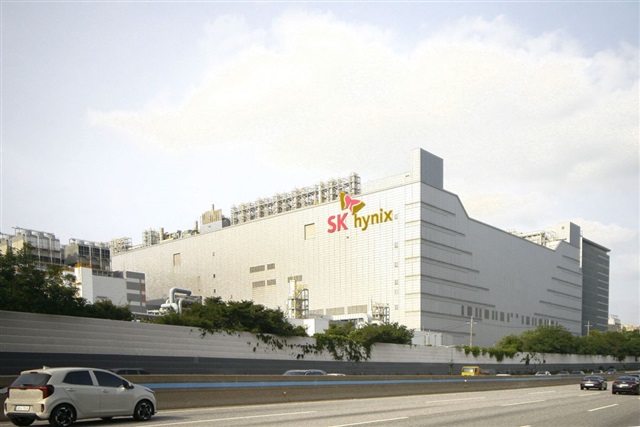
Samsung Electronics and SK Hynix are reportedly moving faster than expected on the next big leap in memory technology: sixth-generation high-bandwidth memory, widely referred to as HBM4. According to industry sources and multiple reports out of South Korea, both companies are now targeting February 2026 to begin production—an accelerated schedule that signals just how intense the race has become to supply advanced memory for AI and high-performance computing.
HBM has become one of the most in-demand components in modern computing because it delivers ultra-fast data transfer while keeping power use and physical space under control. That combination is especially critical for AI accelerators, data center hardware, and other performance-hungry workloads where conventional memory can become a bottleneck. As AI models grow larger and compute requirements continue to surge, newer generations of HBM are increasingly viewed as essential infrastructure rather than optional upgrades.
By pulling the timeline forward, Samsung and SK Hynix appear to be positioning themselves to meet rising demand earlier and lock in strategic supply relationships ahead of the next wave of AI-focused hardware. The move also reflects the competitive stakes in the memory market, where being first—or simply ready on time—can translate into major contracts, stronger pricing power, and long-term partnerships with leading chip and server companies.
While the reports point to February 2026 as the new target, an accelerated production schedule typically also hints at broader preparations happening behind the scenes: faster validation cycles, tighter coordination with customers, and more aggressive investment planning. For buyers in the AI and data center space, earlier HBM4 availability could mean quicker product roadmaps and more room to scale compute resources without waiting for memory supply to catch up.
With HBM now at the center of the AI boom, the push toward earlier HBM4 production underscores a clear message: the next phase of AI hardware competition won’t just be about GPUs and processors—it will also be about who can deliver the fastest, most efficient memory at volume, and who can deliver it first.