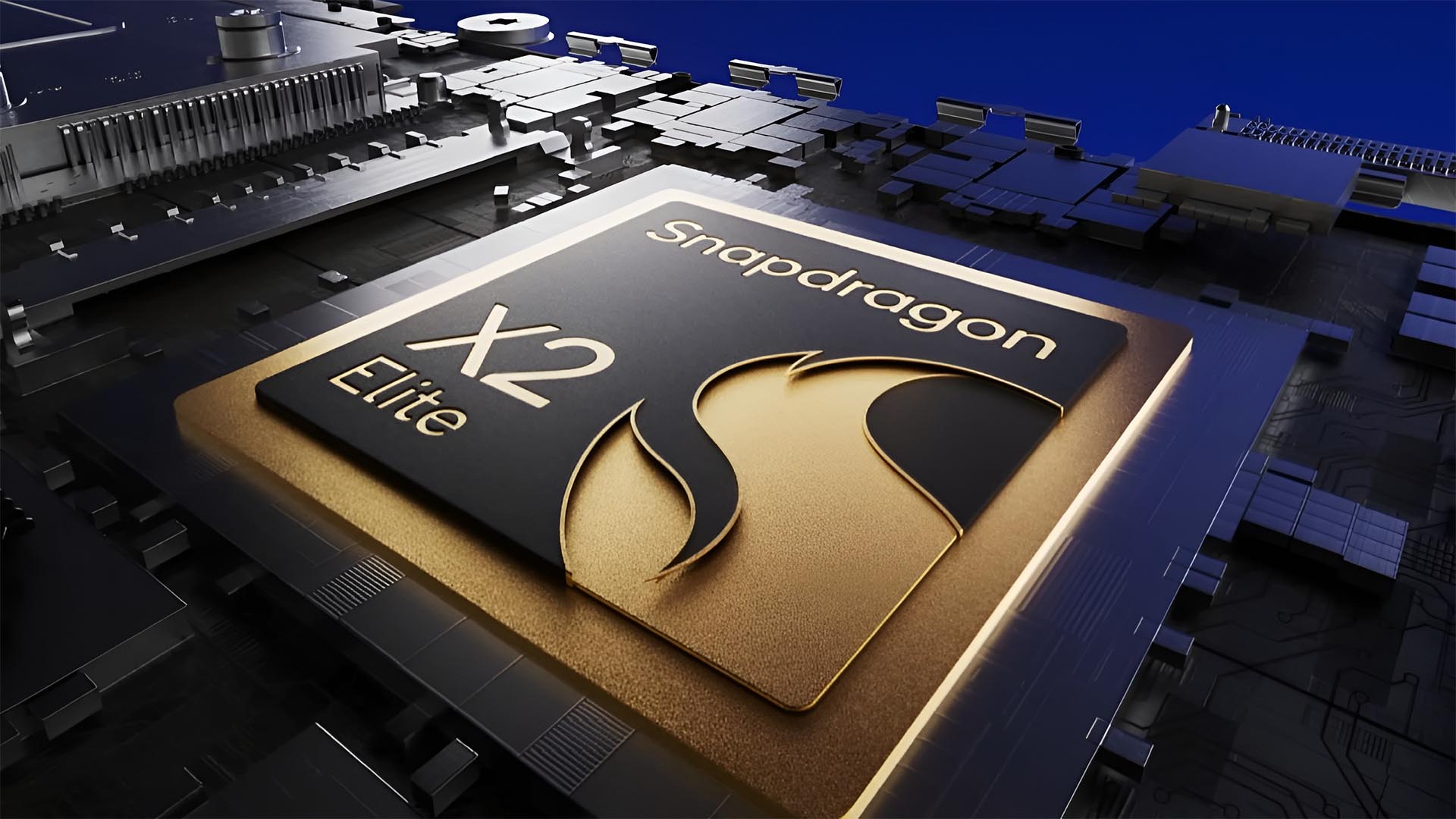
Qualcomm’s next wave of laptop processors is arriving fast, and it’s shaping up as a three-tier lineup aimed squarely at Apple’s popular M-series chips. At the top sits the Snapdragon X2 Elite Extreme, followed by the Snapdragon X2 Elite, and then the more affordable Snapdragon X2 Plus. On paper, that range gives laptop makers plenty of options. In practice, some enthusiasts argue that this tier-based rollout may be weakening Qualcomm’s overall position at a time when competition from AMD, Intel, and Apple Silicon is already intense.
One Reddit discussion has sparked fresh debate around Qualcomm’s current playbook. The central criticism is that releasing several performance tiers too quickly can dilute attention, confuse buyers, and slow momentum. Instead, the argument goes, Qualcomm should concentrate on a single standout flagship platform first, prove its value in premium laptops, and only then scale down into lower price segments once performance, software compatibility, and customer confidence are firmly established.
The most pressing issue isn’t the silicon itself, according to the conversation, but whether premium Snapdragon-powered laptops can justify premium pricing if everyday usability still comes with friction. For many shoppers, a high-end laptop needs to “just work,” especially when it’s used for school, business, creative apps, or mixed workflows that depend on a wide range of Windows software. If users run into app compatibility problems, driver quirks, or inconsistent updates, the value proposition drops quickly—particularly compared to similarly priced x86 laptops from AMD and Intel that tend to face fewer compatibility hurdles.
Pricing pressure is another theme. The Redditor notes that Apple has managed to push aggressive pricing on certain MacBook models through major online retailers, which raises the bar for any Windows-on-ARM laptop trying to compete at the same premium levels. When buyers can get strong performance and long battery life elsewhere at a noticeably lower cost, Snapdragon laptops have to be exceptionally compelling to win them over.
A proposed solution from the thread is straightforward: narrow the focus to the very best Snapdragon X2 offerings first, similar to how Apple initially established credibility with an early mainstream chip and later expanded into “Pro” and “Max” class variants. The reasoning is that flagship laptops typically receive stronger quality control, better driver tuning, and more consistent software support. That creates less need for owners to troubleshoot issues or perform ongoing “trial and error” just to keep everything running smoothly.
Another suggestion is for Qualcomm to consider more competitive chipset pricing—even if it means accepting lower margins temporarily—to accelerate adoption and build long-term trust. The idea is that market share and mainstream acceptance are hard to earn in the PC industry, and overcoming skepticism around Windows-on-ARM can require a period of aggressive value positioning.
Concerns about updates and after-sales support also appear in the discussion, with a previously shared complaint from an ASUS Vivobook S15 owner who reported limited software update activity after June 2025 on a model using Snapdragon X Plus. Whether that experience is widespread or isolated, it highlights a risk: if buyers in the more affordable tiers feel neglected on software support, they may quickly retreat to familiar alternatives the next time they upgrade.
Overall, the message from the Reddit conversation is that Qualcomm may already have much of the technology it needs to compete—but winning the laptop market could depend on sharper focus, clearer product positioning, stronger compatibility, and a pricing strategy that makes Snapdragon laptops feel like an obvious choice rather than a leap of faith.