Qualcomm Dragonfly AI Data Center Platform Targets the Future of High-Performance AI Computing
Qualcomm is stepping deeper into the AI data center race with the reveal of its new Dragonfly platform, a major move aimed at expanding the company’s role beyond mobile chips and into the fast-growing world of artificial intelligence infrastructure.
Announced during Qualcomm’s annual investor day, Dragonfly is designed to compete in a market currently dominated by powerful AI accelerators and data center processors. The platform highlights Qualcomm’s ambition to become a serious player in next-generation AI computing, where speed, efficiency and memory performance are becoming more important than ever.
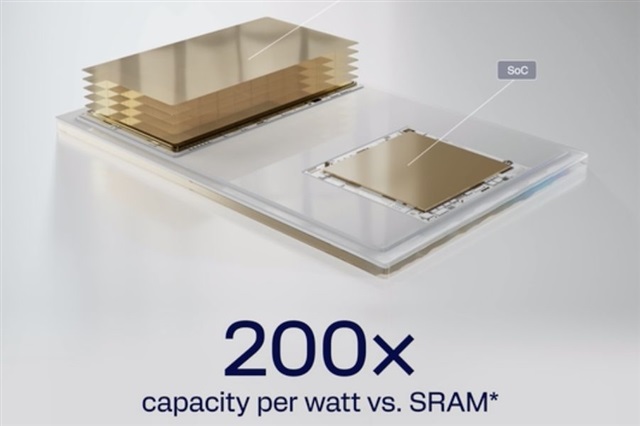
One of the most important technologies behind Dragonfly is High Bandwidth Compute, also known as HBC. Qualcomm is positioning HBC as a key innovation for AI workloads that require massive data movement and rapid processing. As AI models become larger and more complex, data centers need chips that can handle enormous bandwidth demands without driving costs and power usage too high.
HBC appears to be Qualcomm’s answer to one of the biggest challenges in AI hardware: delivering high memory performance while keeping the overall system efficient and cost-conscious. Traditional high-bandwidth memory solutions can be expensive, especially as AI companies scale their infrastructure. By introducing HBC, Qualcomm is aiming to offer an alternative approach that could make AI data centers more efficient and potentially more affordable to operate.
Dragonfly also signals Qualcomm’s intent to challenge established leaders such as Nvidia and AMD, along with newer AI chip companies trying to win a share of the booming data center market. While Qualcomm is best known for its Snapdragon processors in smartphones, the company has been steadily building its AI strategy across devices, edge computing and now large-scale data centers.
The timing is significant. Demand for AI computing continues to surge as businesses invest heavily in generative AI, machine learning, cloud AI services and enterprise automation. This has created a global race to build faster, more efficient and more scalable AI infrastructure. Qualcomm’s Dragonfly platform is entering this race with a focus on performance per watt, memory bandwidth and system-level efficiency.
If Qualcomm can deliver strong performance with Dragonfly and its High Bandwidth Compute technology, it could open a new chapter for the company in the AI server market. Data center operators are actively looking for alternatives that reduce dependency on a small number of suppliers while improving energy efficiency and lowering total costs.
Dragonfly is more than just a new chip platform. It represents Qualcomm’s broader strategy to expand into AI infrastructure at a time when demand for computing power is reaching record levels. With HBC as one of its standout features, Qualcomm is making it clear that it wants to be part of the next wave of AI data center innovation.