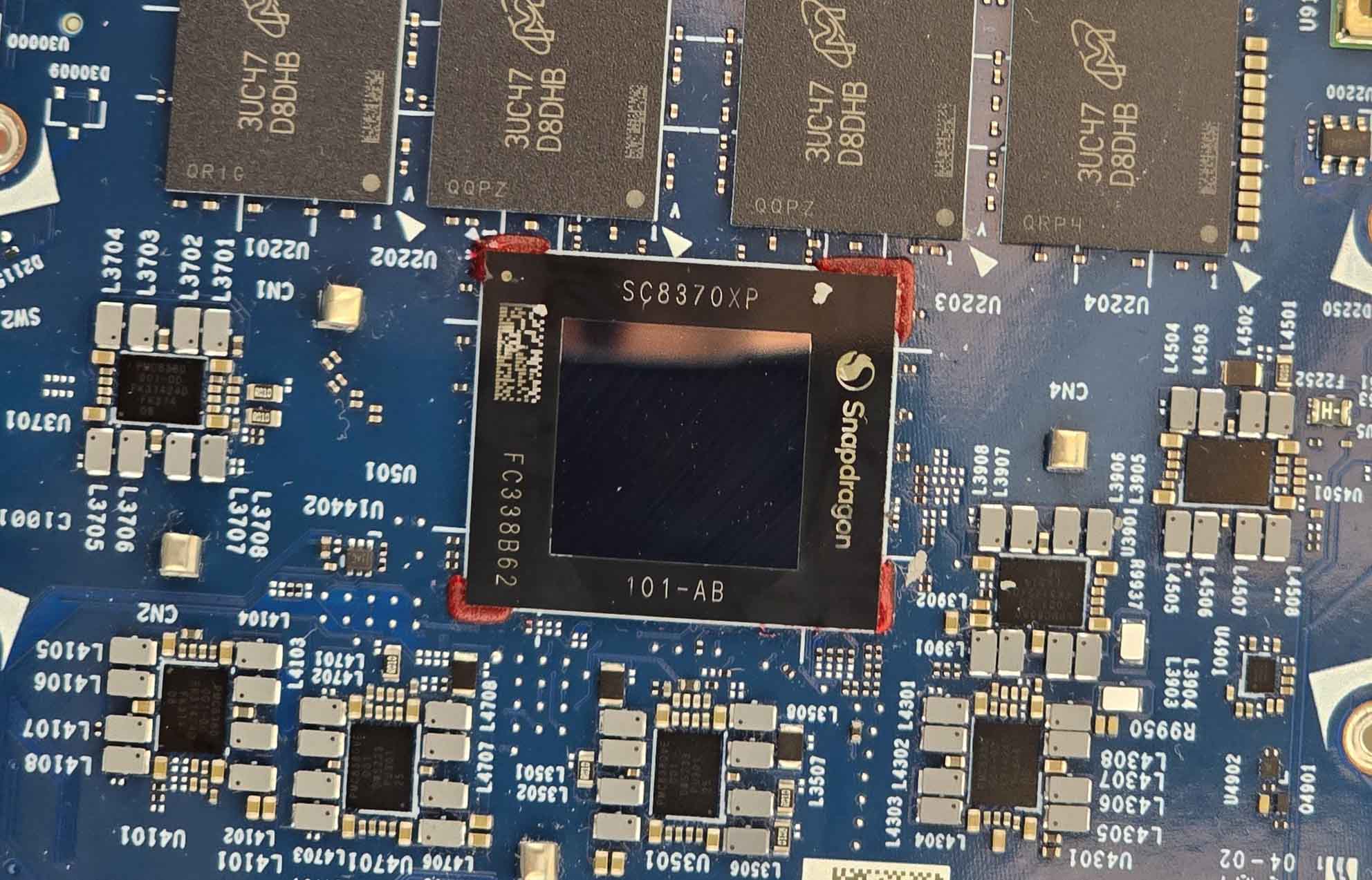
The competitive landscape of chipset technology in the PC market is heating up as Qualcomm’s Snapdragon processors gain traction against rivals such as Apple, Intel, and AMD. During a revealing Q&A session, Qualcomm CEO Cristiano Amon projected a bullish forecast for the future of Qualcomm’s partnerships in the PC space. Amon’s vision suggests that Snapdragon chipsets are not only becoming a real challenge to Apple’s M-series chipsets, but they could also capture a significant market share in the coming years.
In the dynamic and ever-evolving world of processing chips, the Snapdragon X Elite has emerged as a worthy contender. Qualcomm anticipates that this cutting-edge SoC (system on a chip) will be a favorite amongst PC manufacturers, predicting that Snapdragon chipsets could represent up to 60 percent of its partners’ total sales within the next three years. With such high expectations, Snapdragon’s capabilities appear to position Qualcomm for success in the ARM-based SoCs market.
This ARM market, as forecasted by Qualcomm’s CEO, is poised to take over nearly half the entire PC market, demonstrating the transformative shift as more manufacturers opt for ARM over traditional x86 architectures. Trusted reports underscore the optimism shared by some OEMs concerning Snapdragon’s adoption, with projections ranging from 40 to 60 percent of their PC sales incorporating Qualcomm’s chipsets within a three-year window.
Though the momentum favors Qualcomm, the road ahead is filled with fierce competition. Tech giants like AMD, Intel, and the rumored contender NVIDIA are not taking this challenge lightly. AMD’s announcement of the Ryzen AI 300 ‘Strix’ APUs indicates that they too are ready to unleash potent hardware for future notebook computers. Intel’s development of the innovative Lunar Lake processors further upholds the competitive market spirit. Additionally, NVIDIA’s reported ventures into ARM territory with a Blackwell RTX GPU armed with LPDDR6 memory and an ARM Cortex-X5 CPU core signals another pivotal player entering the foray.
Amidst whispers and speculation, there’s talk of Qualcomm already initiating development on a next-generation Snapdragon processor, ostensibly named Snapdragon X Elite Gen 2. Potential enhancements, including an overclocked iteration of the Adreno 830 GPU, demonstrate Qualcomm’s commitment to not just compete, but to lead in the PC processor arena.
In conclusion, as technology continues to advance, the anticipated rise of Qualcomm’s Snapdragon chipsets in the PC market exemplifies the dynamic shifts within the industry. With OEMs looking to embrace ARM-based architectures and Qualcomm staying at the forefront of innovation, the next few years will be crucial in shaping the future of computing as we know it. Consumers and industry watchers alike should keep a close eye on the evolving processor landscape, where Snapdragon’s ascendancy may redefine performance and efficiency expectations for personal computers.