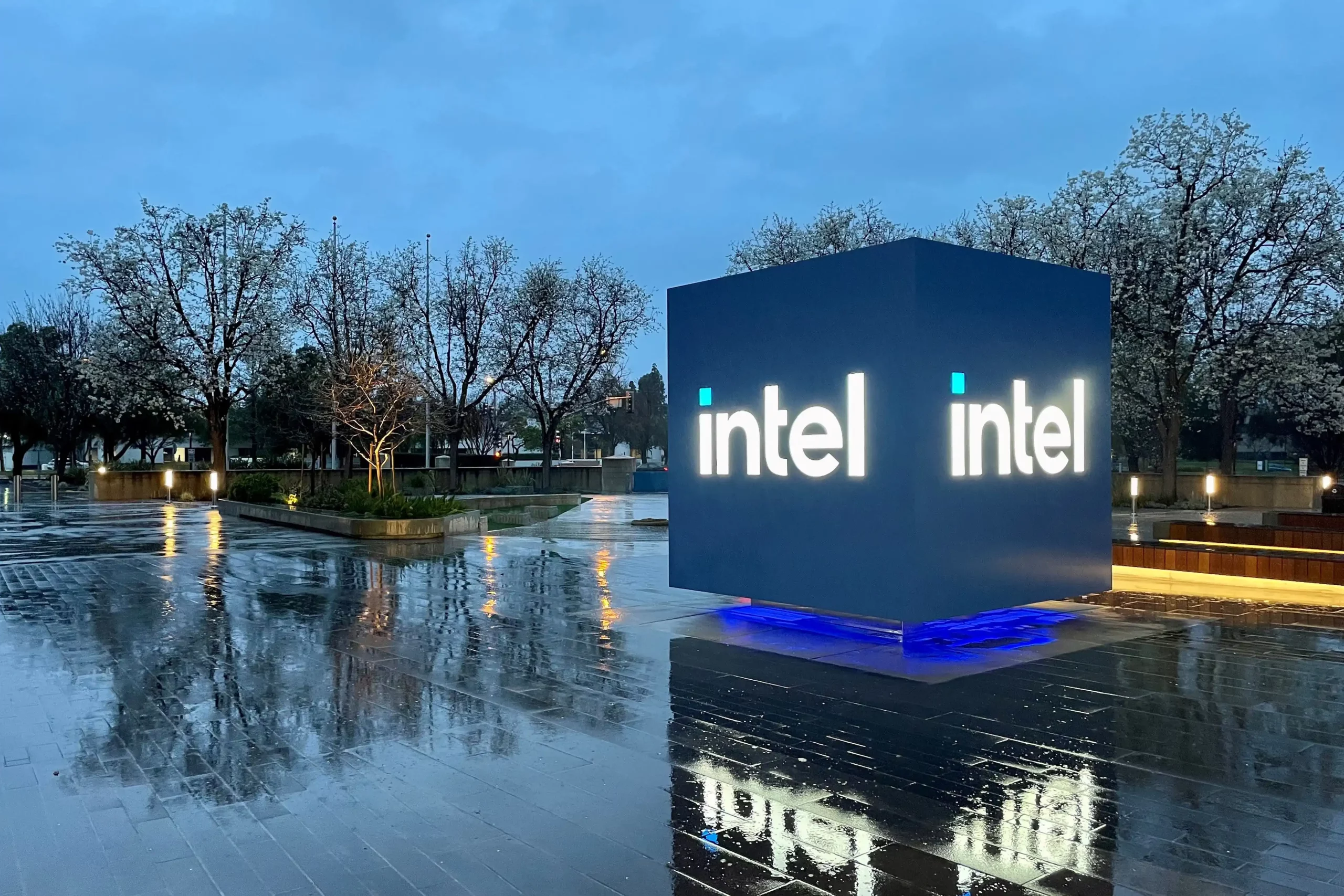
Qualcomm is rumored to be eyeing parts of Intel’s chip design business as a strategic move to enhance its competitive edge and expand its product portfolio. The potential acquisition comes at a time when Intel finds itself in financial turmoil, primarily due to instability issues with its 14th and 13th generation CPUs. This has led to what many are calling the worst financial period in Intel’s 56-year history.
Intel’s current strategy to navigate these choppy waters includes selling certain assets and possibly even production facilities. Sources suggest that Qualcomm sees an opportunity here, with executives at Qualcomm reportedly being impressed by Intel’s chip design capabilities. Qualcomm’s interest is particularly focused on making a significant impact in the client PC market, and acquiring resources from Intel could accelerate its ambitions in this space. However, it’s important to note that Qualcomm has yet to make a formal approach to Intel, so for now, this remains speculative but intriguing.
Despite its financial woes, Intel insists that it is committed to the client PC segment and intends to continue thriving in this area. Selling a crucial part of its business might not align with this commitment. Yet, Qualcomm has been making notable advances in the Windows PC sector, especially with its Snapdragon X Elite SKUs, which significantly contributed to its $35.82 billion revenue last year. Qualcomm expects this figure to grow even more as AI-driven PCs gain traction in the market.
To generate immediate cash flow, Intel is considering selling its FPGA unit, Altera, and pausing the development of a $30 billion facility in Germany. Additionally, Intel is in discussions with the Biden administration for a financial boost through the CHIPS Act, seeking up to $8.5 billion in grants and $11 billion in loans, according to Bloomberg.
Observers anticipate that Intel will announce a series of decisive measures in the coming weeks, particularly after the next board meeting. These announcements could include plans to cut spending and generate new capital, which will be crucial for Intel as it navigates this tumultuous period.